頭城雙語學旅 Toucheng bilingual
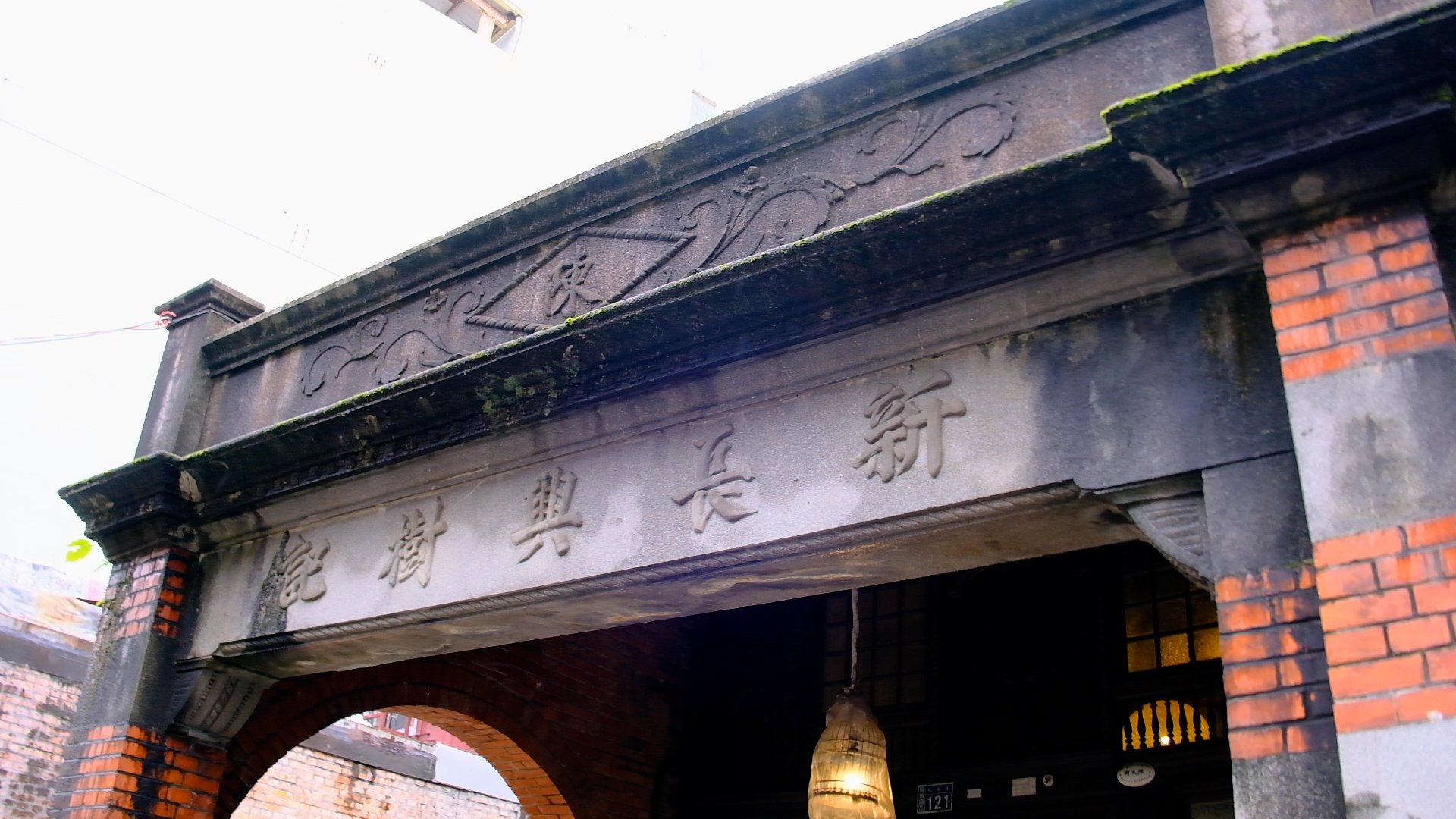
新長興樹記 Chang Xing Store
導覽員 | 頭城家商觀光科 李柏毅
指導老師 | 林美夙
「新長興樹記」與「老紅長興」為同時建造,原為陳春榮創立長興行﹐從事米糧生意,是住商合一的街屋。直至次子陳木樹於昭和7年(1932)8月1日,與兄分戶析產,另立店號「新長興樹記」,與長子陳全娥之「老紅長興」有所區別。
陳木樹擅長經商,從宜蘭、台北、基隆一帶進貨批賣,是當年頭城最大最有名的南北雜貨批發店,在當時稱為「大賣店」,主要銷售頭城、外澳、大溪等沿海地帶。
建於日治昭和時期的「新長興樹記」,整體建物採用鋼筋混凝土,增加騎樓柱間跨距,屋內保留中國傳統的木構造,外西內中的風格蔚為特色。大門的店號門聯是特殊的「鑲崁法」刻製而成、鮮豔的彩繪磁磚及白色橢圓形門牌磁磚、正面刻有「長處樂、興於仁」板門及福壽門、閣樓便於貨物吊運的窗口等,都可以看出「新長興樹記」當時的榮景,也是此歷史建物最有特色的地方!
現在「新長興樹記」的後代、開蘭安心診所陳柏瑞院長承接,將之設置為醫事巷弄長照站,藉由多元課程及活動陪伴長者,回饋當地。
“Chang Xing Store” was built by Chen Chung-Rong (Lao Hong) and his brother in 1916. It was three houses wide with the central main hall used for a shrine. In 1924, his sons, Chen Quan-E and Chen Mu-Shu, expanded the building into a two courtyards deep storehouse as we see today. In 1932, these two brothers formally divided the family property. Chen Mu-Shu opened a new store called" Xin Chang Xing Shu Ji" for wholesale and retail of general goods.
Modern steel-reinforced concrete beams were used for the arcade to increase more arcade space. Traditional Minnan-style timber beams were used for the interior. They were carved with the mark for "Xin Chang Xing Shu Ji" while the parapets were decorated with plants and the character "Chen".
The parapet is a unique two-storey arcade. The ground floor was used for workers and business transactions, while the second floor was used for storage. There was a separate doorway built on the second floor to ship goods in and out directly.
南門福德祠 Nanmen Temple
導覽員 | 頭城家商觀光科 吳姿瑩.呂宇軒
指導老師 | 吳幸蓉
開蘭第一街在南北邊各有一座面向街內的福德寺,兩間廟宇都面向和平街,除了有界定和平街地理空間之意,更是因為早期和平街商業及農業繁盛,民眾安居樂業,希望藉由福德祠鎮守財氣之功能,將錢財留在和平街內。
南門福德祠曾於明治40年(公元1907年)整建,有別於北門福德祠的保存狀況,南門福德祠因毀損嚴重,於民國64年(公元1975年)2次重建,以鋼筋水泥重建並貼上磁磚,此全部翻修的狀況讓當初建築的原貌已不復見,但從留存照片比對,外貌仍保有舊有樣式。而南街在宗教祭祀上較為注重,因此在建築上有飛簷式屋脊與雙龍搶珠等華麗裝飾。
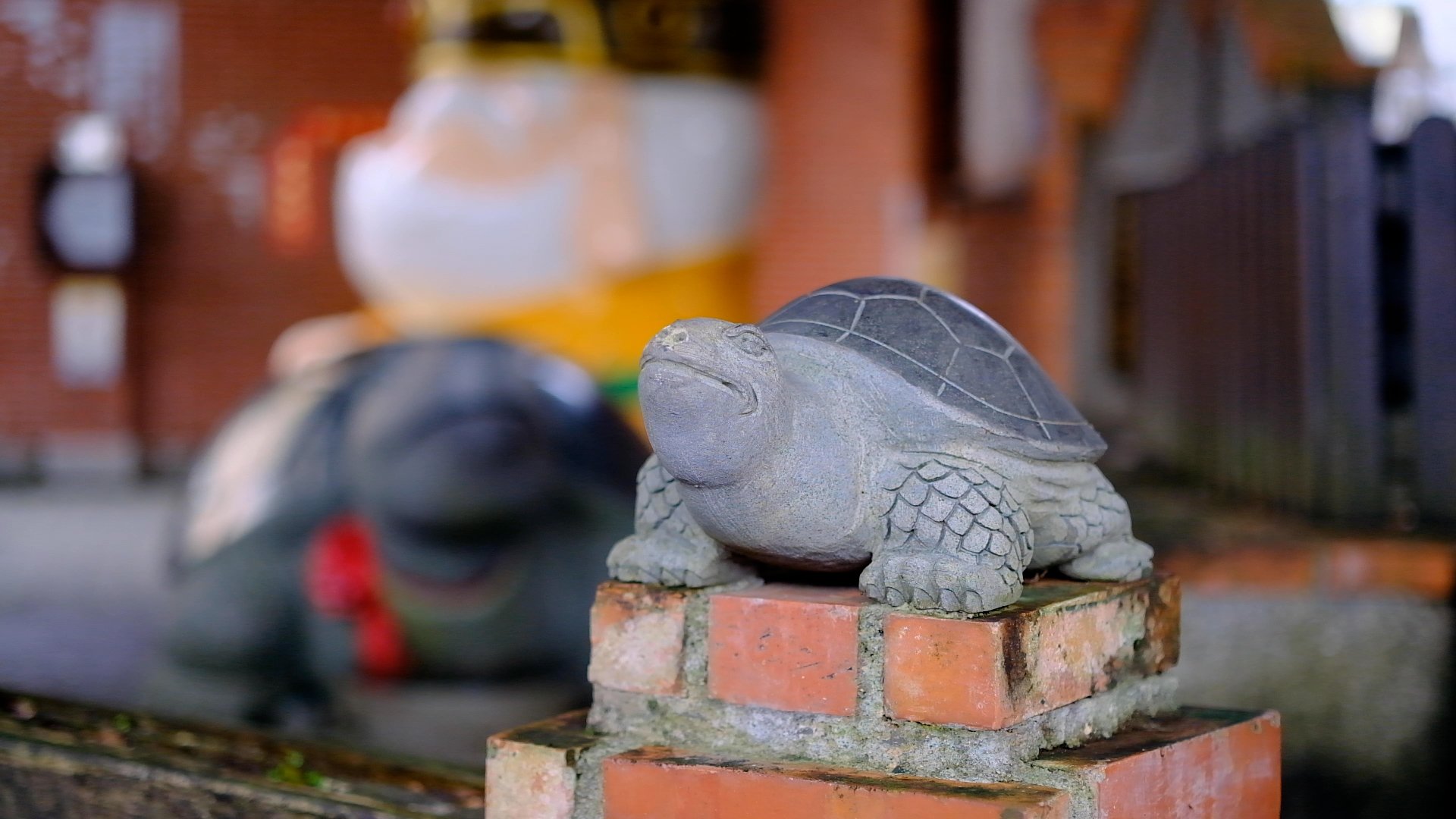
據說早期南門福德祠重建時,將座落於旁的神龜遷移,卻因此消失神蹤,讓居民們好生想念。終於在民國一百年九月十一日,又重新找回「財神龜」,讓來到南門福德祠祭拜土地公與土地婆的信眾,能夠摸摸「財神龜」賺得平安富貴。
The Nanmen Temple were both built in the 2nd Year of
the Tongzhi Era(1863) during the Qing Dynasty. The South Gate Fude Temple was totally rebuilt at one point, so the original building no longer exists. Compare with the ancient photos, the external appearance of the original architecture has remained well.
Inside the temple is an interesting couplet: "Second only to the Son of Heaven, Guardian of the King's Three Treasures”.
Nanmen Temple are twins. Together, they define the typical “Closed Boundaries" of old streets and offer a reminder of the area's glory days.
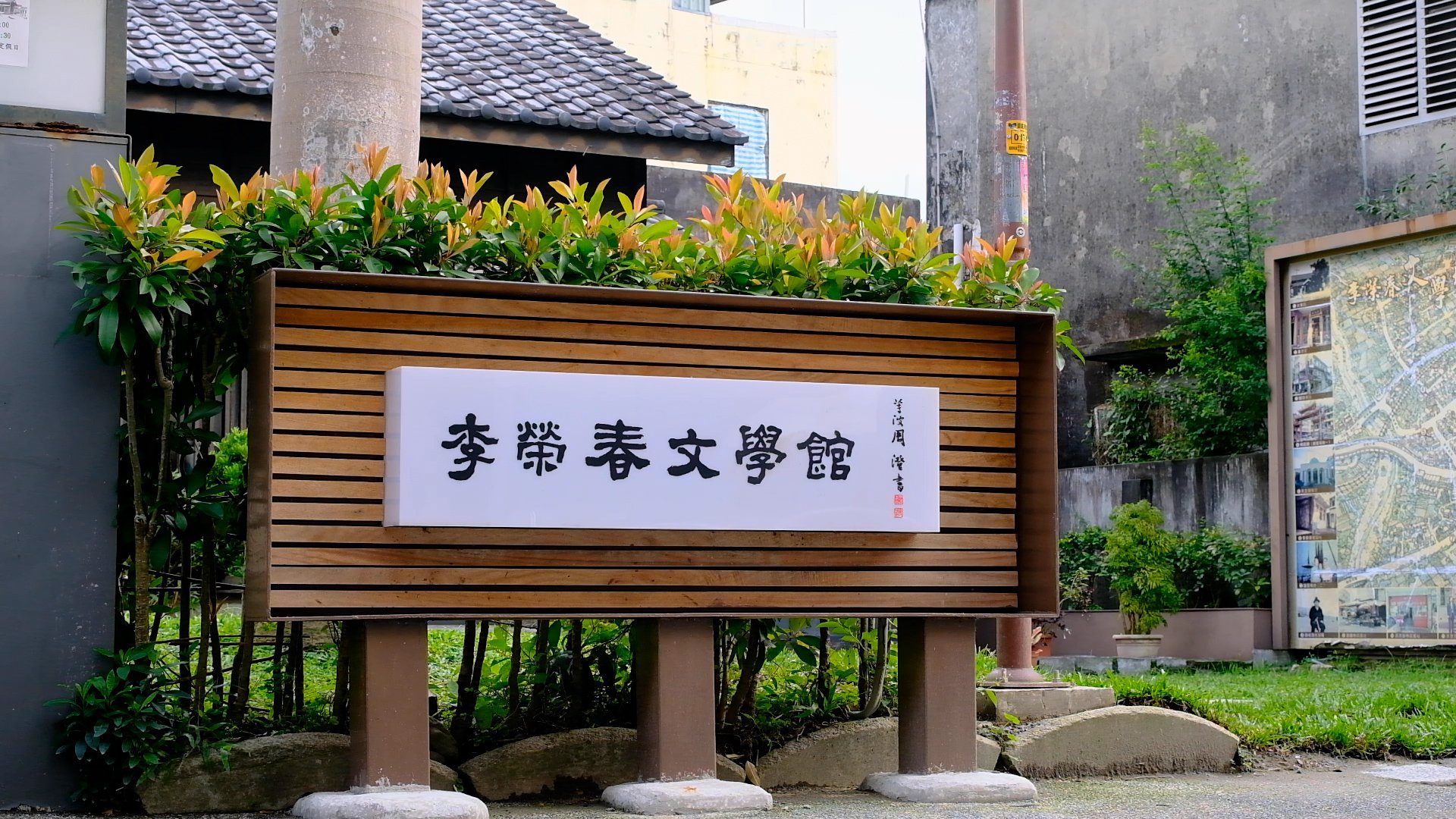
李榮春文學館 Lee Rong-Chun Literature Museum
導覽員 | 頭城家商觀光科 吳鈺欣.李語軒.陳冠瑛
指導老師 | 李佳蓁
宜蘭縣政府將位於頭城開蘭舊路的縣定歷史建築「頭城國小校長宿舍」日式建築,重新規劃設計成為文學館,館內展示李榮春生前手稿文物與出版作品,將其生活軌跡與創作歷程細膩完整呈現,館內共分為六個展覽主題,包括:認識李榮春、生命之歌、生命樂章、土地謳歌、家族史詩、李榮春大事紀。
文學館門口還擺放一台充滿古早味的腳踏車,資深導覽員謝文正表示:「李榮春生前靠修理腳踏車維生,但也從不因為人所輕視的窘迫處境或知識分子的自尊而有所羞愧或逃避,顯示出他的坦然與寫實性格。」文學館後方空地,則展示在地名書法家劉和明所寫下的李榮春經典名句,透過不同的文體表現方式,讓人更深刻感受到文學的力量與美麗。
設計師還以不動到原空間內裝及隔間為原則,將李榮春平時創作時所用的桌椅,用透明的壓克力重新打造,一來讓空間不受壓迫,二來可讓參觀者透過桌面一睹李榮春的珍貴手稿,同時讓古蹟建築內多了一股新潮的韻味。而文學館的入口意象,除了保留原本門前的古井,還將休憩平台融入海洋及龜山島的設計,加上李榮春曾描寫過多處的頭城地標,製作成文學地圖,讓參觀民眾更容易理解他對於頭城的濃厚情感與頭城豐富的歷史文化。
Yilan Government re-planned and designed the Japanese-style building of the county historical building " The Principal's Dormitory of Toucheng Elementary School" into a Lee Rong-Chun(1914-1994) Literature Museum, which displays Lee Rong-Chun 's manuscript cultural relics and published works.
Lee Rong-Chun is a writer born in Toucheng. He pays no attention to material life and devotes his whole life to writing. "Motherland and Compatriots"(800,000 words) is the only work published during his lifetime.The manuscript (over 3 million words) were not published until 2002. The book is strongly autobiographical, describing China's experience and Toucheng's hometown, and the stories left behind are undoubtedly a gift of the times.
The building was first built during the Japanese Colonial Period; it became the principal's dormitory of Tou Cheng Elementary School. It's a typical style of Japanese home.
In 2005, the Principal's dormitory was restored at the request of the local community. The walls were made from bamboo-reinforced mud and covered with slats. The roof was changed from the original Japanese black tile to concrete tiles. The interior flooring was replaced, while the wardrobes were retained, giving a good idea of the original layout.
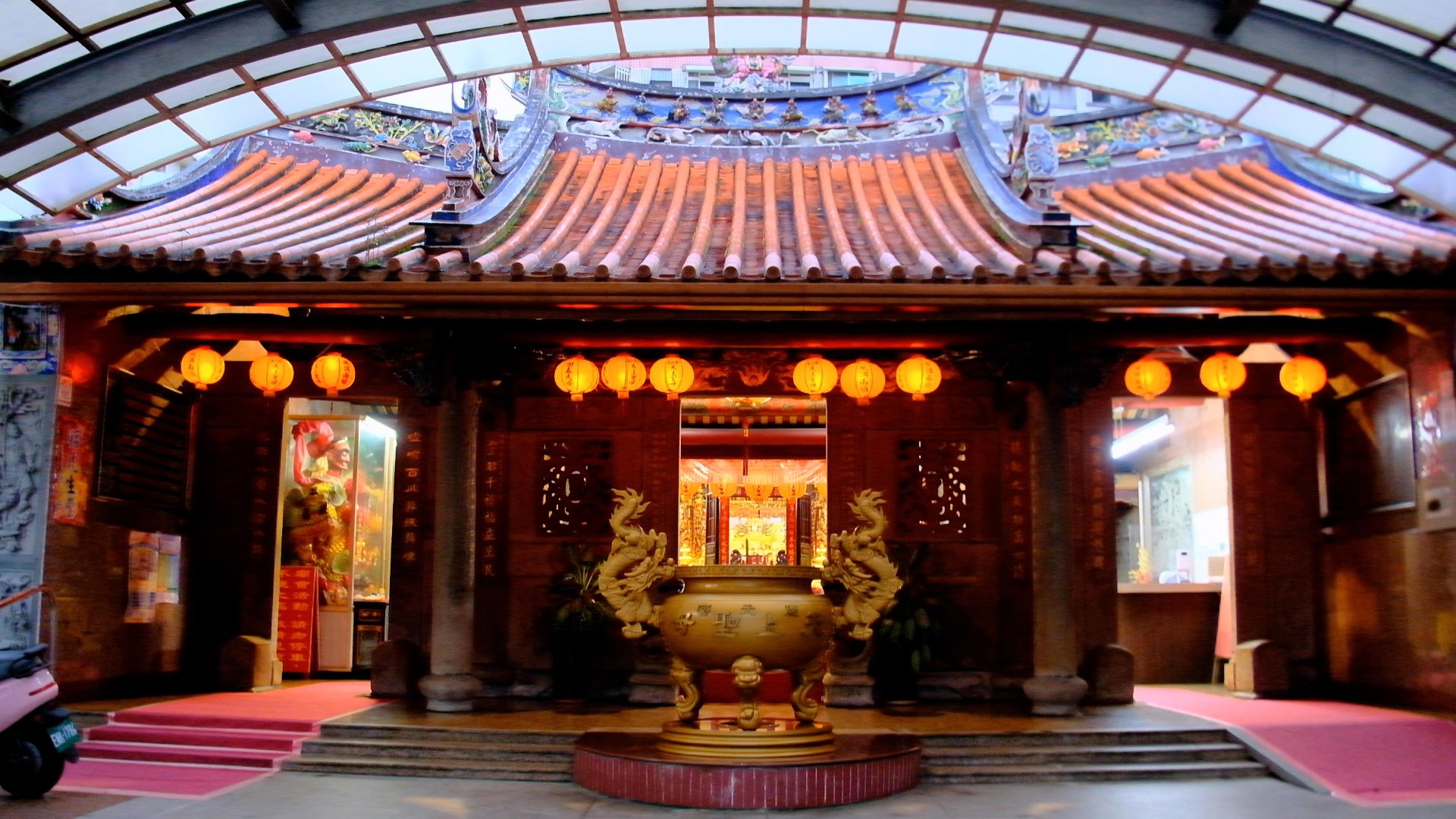
慶元宮 Qingyuan Temple
導覽員 | 頭城家商觀光科 陳翠蘋.吳姿瑩
指導老師 | 吳幸蓉
慶元宮是宜蘭第一間媽祖廟,建立於1796年,於嘉慶元年完工,因而命名為「慶元」宮。門口的對聯是道光9年所建,距今已有192年的歷史,是一對非常久遠的對聯。廟內的石柱匾額,亦多為清代所留存,於2014年6月30日經宜蘭縣政府公告編定為縣定古蹟。
慶元宮廟中是典型的漳州建築風格,古色古香,主神天上聖母媽祖,是由先賢開墾宜蘭,由頭城烏石港進入 於今日慶元宮牌樓前成功上岸,將其船頭福建莆田湄洲天后宮的媽祖卸下供奉,為感媽祖神威,所以建廟,成為當地最主要的信仰中心,建廟時,並把廟門朝東面海,希望媽祖能保佑蒼生百姓,及海面漁船漁民安全。
慶元宮前面有一個廟門廟門前面有一個山門從廟往外看,青雲路早期是一片海,而因宜蘭是沖積山平原,河川不斷沖刷前面的海,因此慢慢路化變成了現在的道路。
Cingyuan Temple was built in the first year of the Jiaqing Era (1796); it is the oldest temple of the town. The main hall is dedicated to Matsu, while the side halls are dedicated to "Wugu Dadi", "Cangjie Fuzi" and "Wenchang Dijun".
Cingyuan Temple has been rebuilt several times, but much of the carved stone columns, bases, lions and couplets made of sandstone ballasting by Tangshan craftsmen can still be seen. This shows that the people of Toucheng take great care of their cultural heritage. The temple has many historic relics and the couplet in the front hall was written by Toucheng County Magistrate Zhu, Ymg-Xi in 1829.
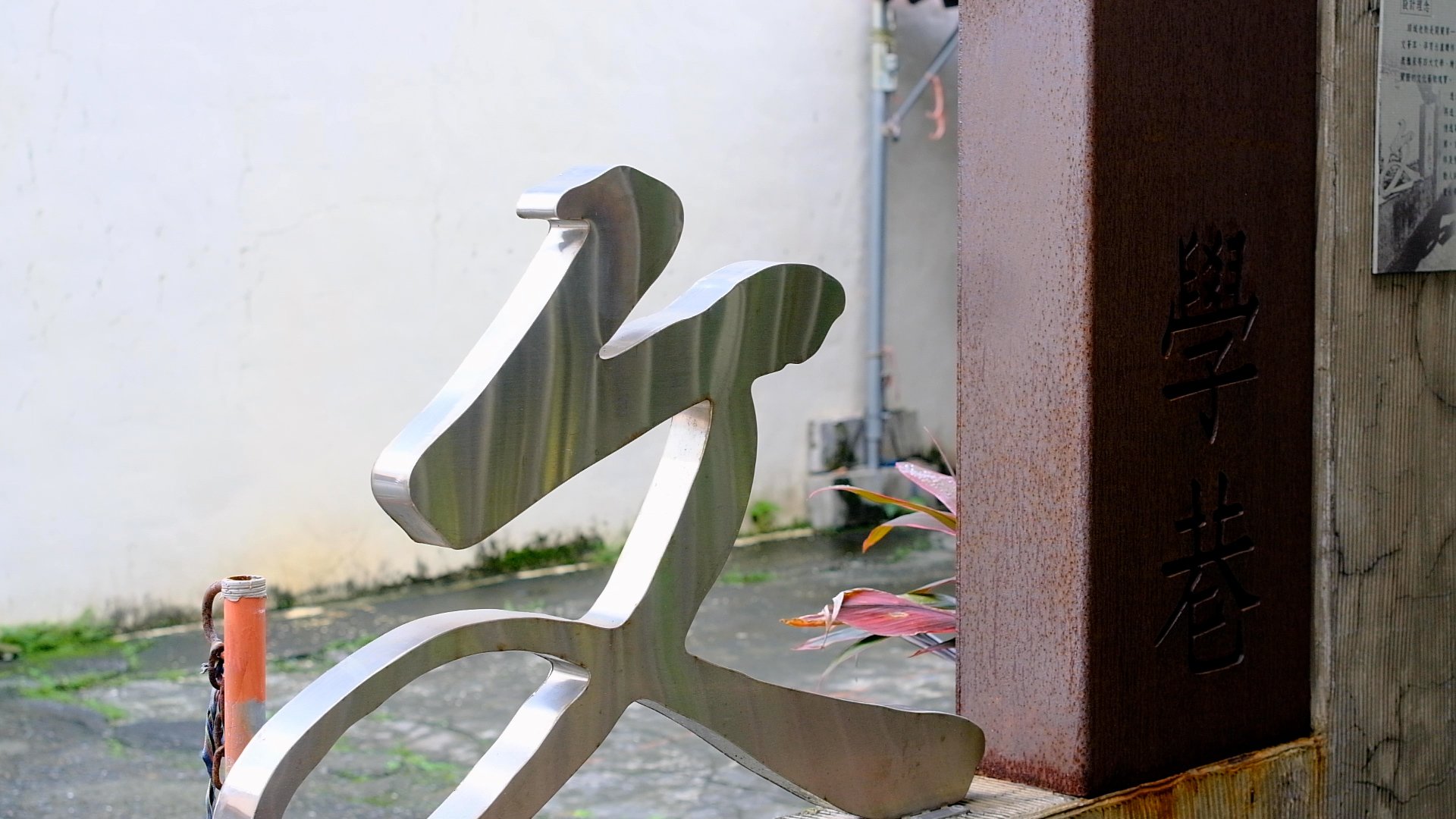
文學巷 Literature Alley
導覽員 | 頭城家商觀光科 林緯綸.康維家.莊閔瑋
指導老師 | 陳俞菁.陳俐淳
2019年宜蘭縣頭城老街推動再造,鎮公所選定兩處巷弄打造成「藝術巷」與「文學巷」,有馬賽克光罩,還有頭城當地的書法名家、繪畫家作品穿插其中,陽光透過彩繪玻璃和鏤空鋼板,陽光灑落,映照在小巷內,結合彩繪玻璃及馬賽克光罩打造而成的藝術光彩巷弄,重新賦予了老街新生命。
同時也將頭城在地的文化特色及藝文四大家族「盧、李、康、楊」的作品以及智慧結晶匯集整合,在傳統街道小巷弄之間進行創意裝飾,希望將昔日老街透過環境藝術化的構想,以全新現代感的設計方式呈現出來。
Literature Alley is one of the 2019 Toucheng Old Street reconstruction projects of the Toucheng Township Office. The installation art created in Literature Alley is based on the design concept of famous local calligraphers and writers in Toucheng( Lee Rong-Chun,Lu Zuan-Xiang,Kang Yan-Quan ). It is hoped that the old street will be presented in a new and modern design through the concept of environmental art.
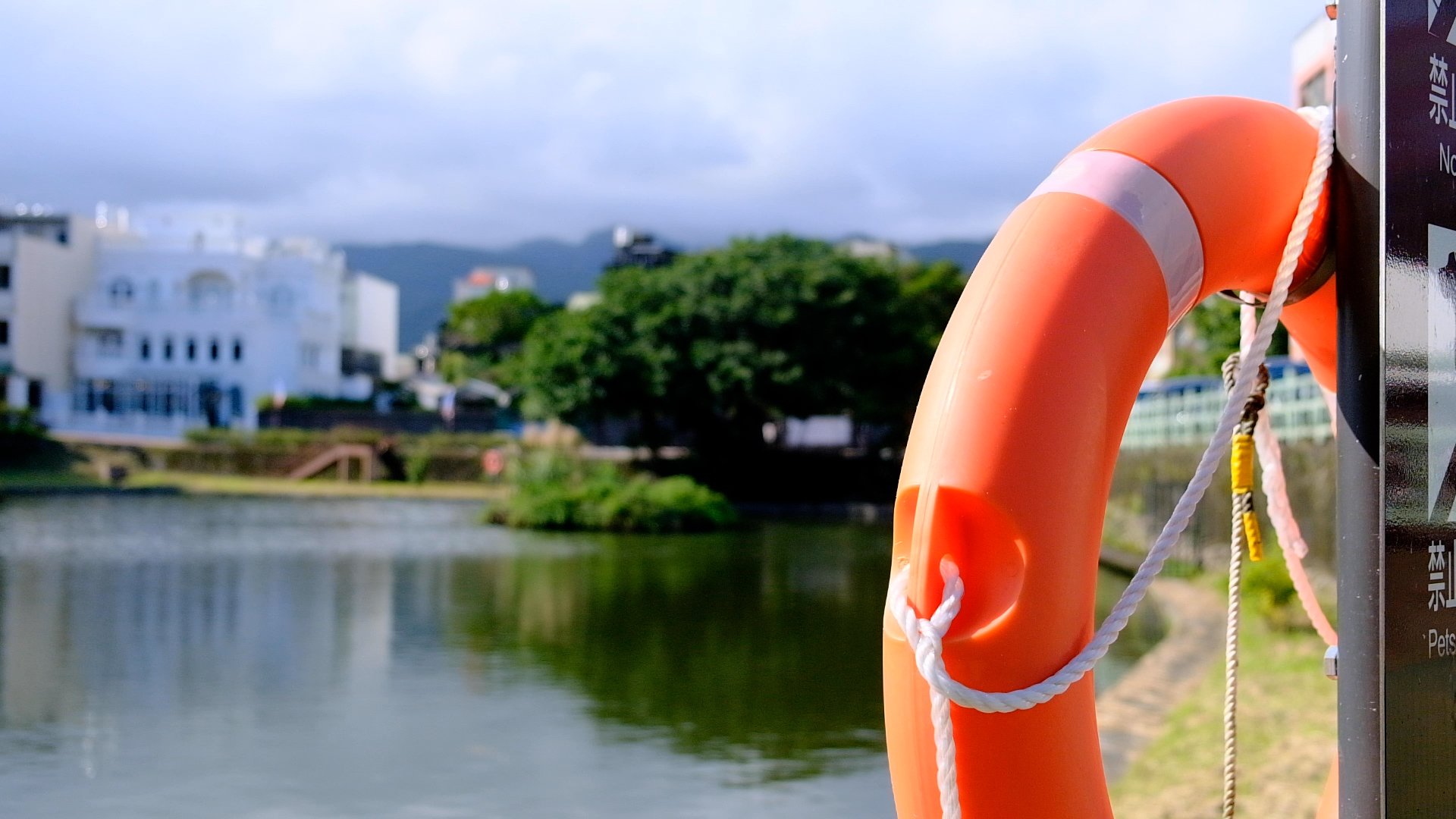
史雲湖 Shi-yun Pond
導覽員 | 頭城家商觀光科 李丞翔
指導老師 | 林美夙
史雲湖位於現今頭城老街上盧纘祥故宅前的池塘及鄰近腹地區域,這片池塘,是縣政府為了紀念盧家對於當地的貢獻,以盧纘祥先生的字「史雲」而命名的。在2010年,被列為縣定古蹟。史雲湖據說是以前頭圍港的遺址。清朝時期,烏石港原本為當時台灣東部唯一商港,但後因日漸淤積且1878年大洪水造成河道改道,水往南流形成「頭圍港」,逐漸取代烏石港的地位,成為早年蘭陽平原的政經中心。1924年因颱風帶來大洪水,導致頭圍港嚴重淤積、港口陸化,而同時又因鐵、公路興起取代水運,熱鬧的頭圍街隨之沒落,原本的河道成為現在的青雲路。
史雲湖的左邊有一顆很粗壯的大樹,據說是以前乘載貨物的船,會用繩子暫時固定在樹枝上,然後卸貨至岸上,運到十三行儲存,用於之後的交易與批貨。
Shi-yun Pond is located in front of the Lu family’s mansion. In commemoration, the pond was named after Lu Zuan-Xiang, and it was listed as a county historic site in 2010. It used to be a port and administrative and economic center of Yilan area in the early days. Later, the port is silted up due to typhoons. the river transport became the current Qingyun Road, and the rise of railways and roads replaced water transport.
On the left side of Shi-yun Pond, there is a very thick tree. In the past, ships carrying goods would be temporarily fixed to tree branches with ropes, and then the goods would be unloaded to the shore and transported to Shisanhang for storage.
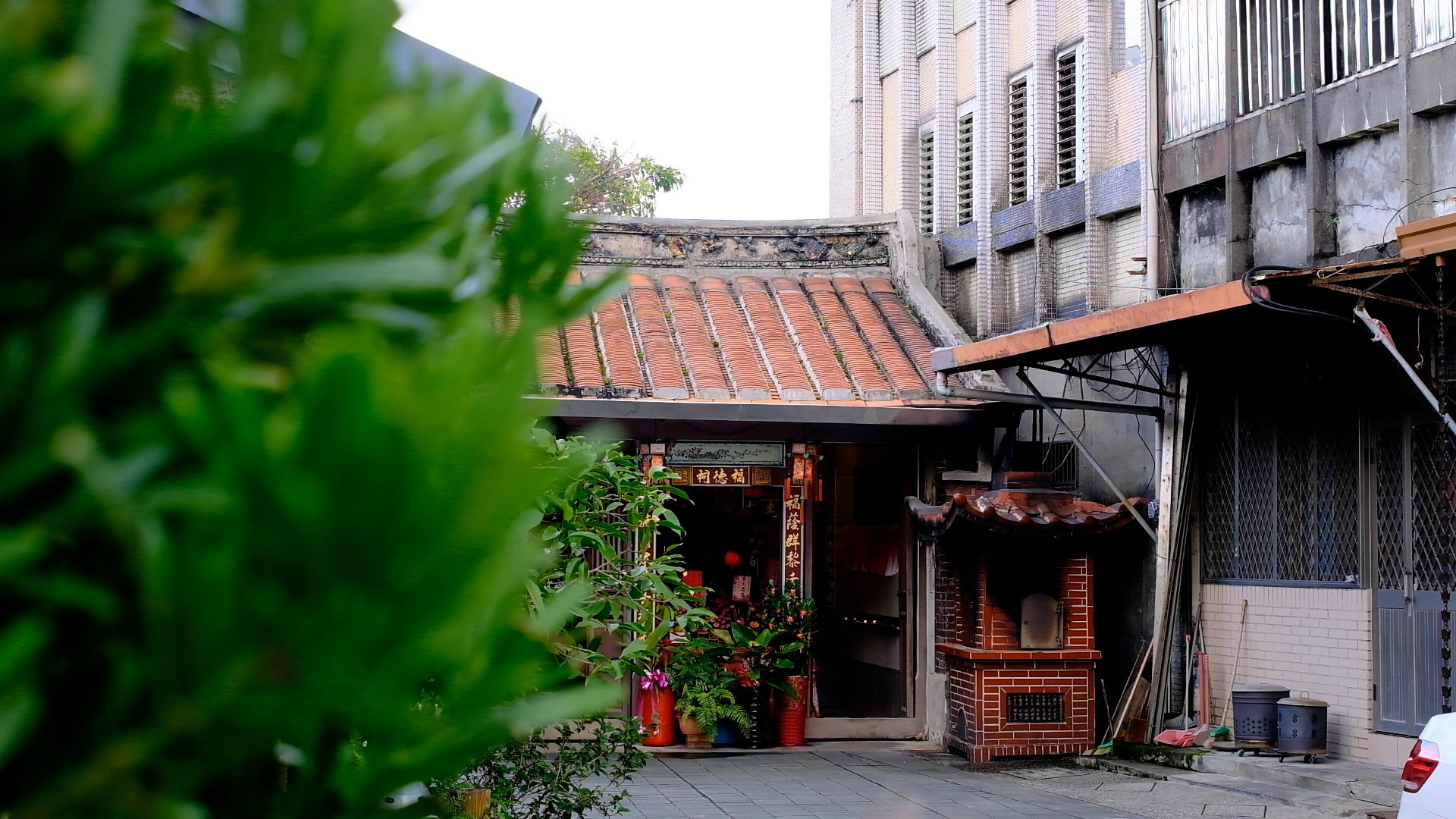
北門福德祠 Beimen Temple
導覽員 | 頭城家商觀光科 邱彥明.范天佑
指導老師 | 吳幸蓉.林玉涵
頭城老街,在南北邊都有一座朝向街內的福德祠,總長約500公尺,展現出當時老街商業鼎盛的氣息,鎮守財氣之意,南北門福德祠雖然同時興建,但因為當時南北街生活文化不同,所以在建造上會有所差異。
北門福德祠為宜蘭縣縣定古蹟,建於清同治2年(1863),與南門福德祠約為同時完工,北門福德祠對於文化較為重視走樸實風格,其形製為(單殿,單開間),有簡單的馬背屋頂山牆脊墜裝飾泥塑獅頭、磬牌落窗皆為當時的宜蘭廟宇的建築特色,屋簷下有清同治年間的一對石獅,不常見於一般的土地公廟,主要是北門福德祠是被漢人開墾宜蘭在頭城所蓋的第一間土地公廟,所以特別裝飾兩隻石獅子,以象徵不同於一般土地公廟的地位。
Beimen Temple is located at the northern end of the Old Street. In 1863, the merchants on Touwei Street decided to build Beimen Temple Temples at the north and south end of the street to anchor the prosperity founded on commerce. This unique example of Taiwanese street architecture not only symbolized the anchoring of wealth but also served to define local boundaries.
Beimen Temple we see today was rebuilt in 1916. It is dedicated to the Village Deity (Earth God) and his wife. The well-preserved shrine, decorations and offerings table all date back to that time.
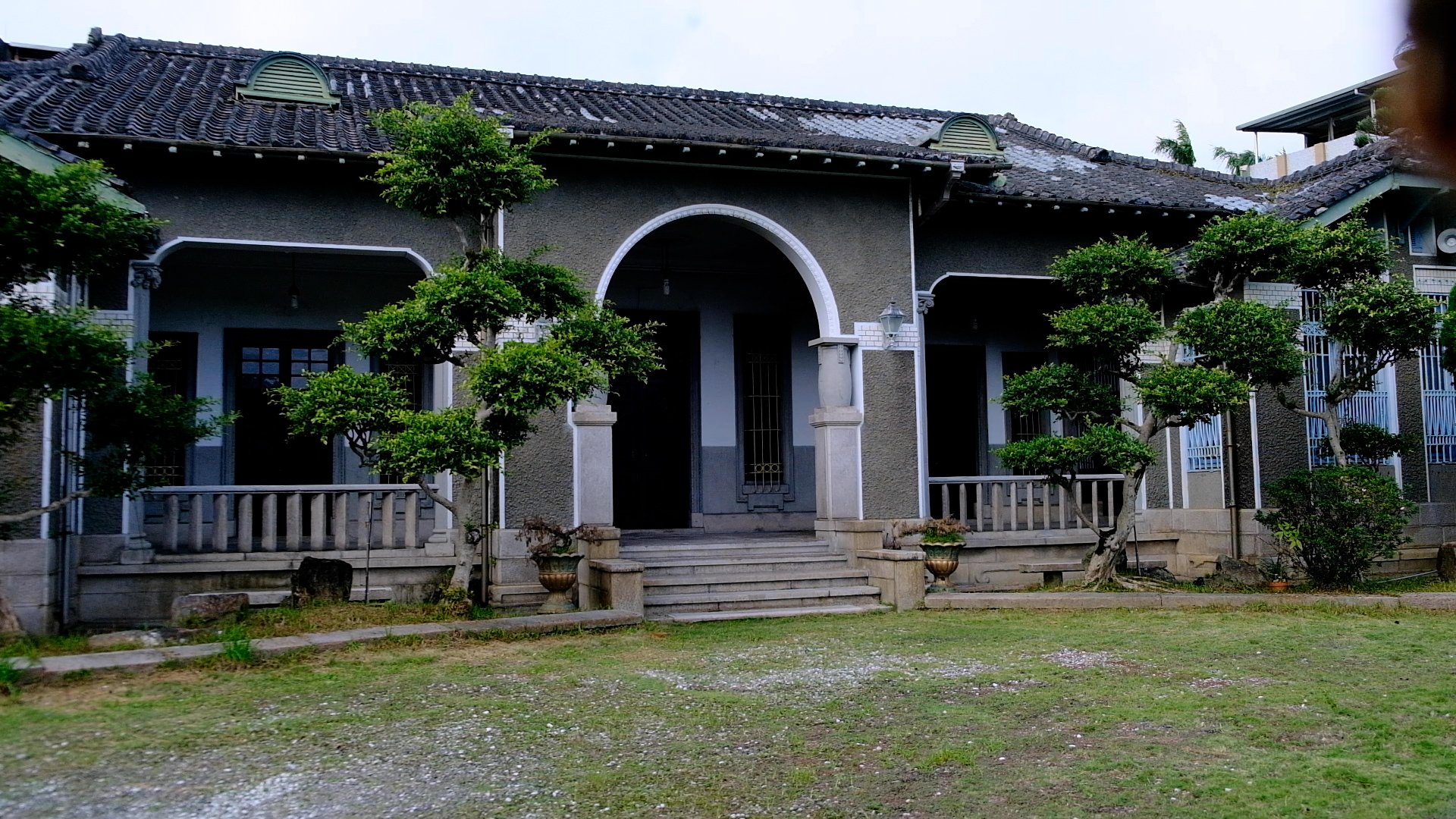
盧纘祥宅 The Lu family’s mansion
導覽員 | 頭城家商觀光科 李丞翔
指導老師 | 林美夙
「盧纘祥宅」,也稱為「盧纘祥故居」和「盧纘祥公館」。盧纘祥先生,善經商、善政務、善作詩,是當地的首富、是宜蘭第一任民選的縣長,更是「登瀛詩社」的創辦人之一。
盧纘祥先生小時候和他生父遷居宜蘭,後過繼給盧廷翰先生。他年輕時繼承家中事業,18歲時便開始經營「興商行」,而後發展成從政。26歲開始擔任議員等多種職位,在台灣光復後,任職頭圍鄉長。
盧纘祥先生事業有成,更積極參與公眾慈善活動、推廣文化教育,復辦頭城搶孤、提供經費建造頭城國中、大舉造林、推行土地改革等,深受人民愛戴。
盧纘祥先生漢詩造詣深遠,1926年招集當地文人(號稱「頭圍十八賢」)創辦「登瀛詩社」,以振興漢詩、漢學、助長地方文化為目的,對當地的文化水平推動引響深遠。
「盧纘祥宅」於一九二八年興建完成,由當時任職於總督府營繕科—宋祖平先生設計及監造,混合西洋及日式風格建築,以台北總督府的規模建造及設計,為宜蘭縣當時最為華麗的宅第。
Lu Zuan-Xiang was the first popularly elected county magistrate of Yilan County.
The residence was designed by Song, Zu-Ping and completed in 1928. The design of the mansion was made after the Office of the Governor-General
and intended to become a local landmark. The impressive building sits on a extensive ground, and the Japanese roof features Western-style dormers. The wings are connected by winding corridors with the main house, which with an arciform front door. The walls were surfaced in the Terrazzo style and decorated with white tiles, giving the literate and simple impression.
It still spreads nowadays that "You may be as rich as the Lus, but you might not have the same house as theirs; you may have the same house as the Lus', but you might not be as rich as the Lus.". The Lu Mansion has become an important land- mark for Toucheng.
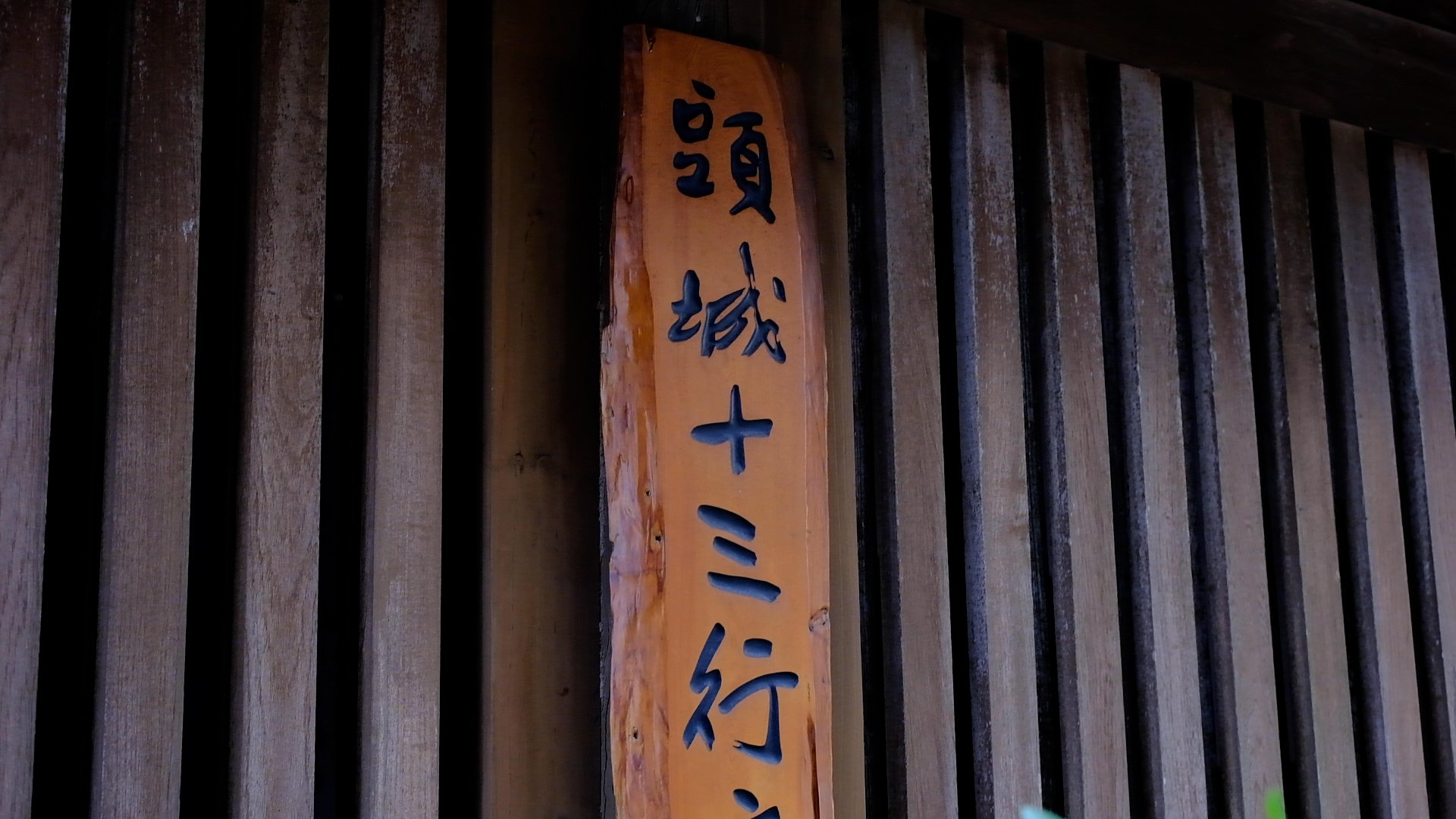
十三行 Shisanhang
導覽員 | 頭城家商觀光科 李品嫻.姜函妤
指導老師 | 李卉芹
「十三行」創建於清領時期,是臨頭圍港之十三行街屋對外貿易,輸入輸出百業貨品行交的簡稱,目前僅此二戶保存最為完整,其餘皆已改建。十三行,原為頭城的首富盧纘祥先生所有,然而現在存有的十三行有兩戶由頭城書香世家康灩泉擁有,所以康家老屋被稱為十三行康家古宅,屋齡至今大約在160年左右。2005年康家古宅整修時,在地板下挖出上萬件網墜及古銅錢,網墜是吊掛在漁網上的鉛垂,有專家推測這些貝殼大小的網墜都傳出是舶來品,可見頭圍當年貿易之繁盛。現在的十三行大多已改建或拆除,為保留頭城過去的歷史,宜蘭縣政府已於民國92年指定為縣定古蹟。
十三行建築為閩南式風格,紅瓦斜屋頂,屋身以木結構、土埆圍承重牆;內部空間採「前店屋、後和院」(即臨街前廳為作生意之處,後邊則為住家)的空間格局概念所做成的,騎樓廊道為不對外開放之內部走廊,與迪化街等商業市街極為迴異。
During the Qing Dynasty, Touwei(It's the older name of Toucheng) was the main harbor of general groceries for its convenience of water transport in
Yilan erea.
"Shisanhang" is in the north part of the Old Street next to the river pier so ships in the harbor can easily load and unload goods. It was the largest association.
at the time and it was said to be the Lu Family's shipping company and warehouse.
The building is in the Minnan style, and the layout can be described as "Front Shop, Rear Courtyard". The arcades were not open to the public, while the narrow winding passages were intended as a security measure.
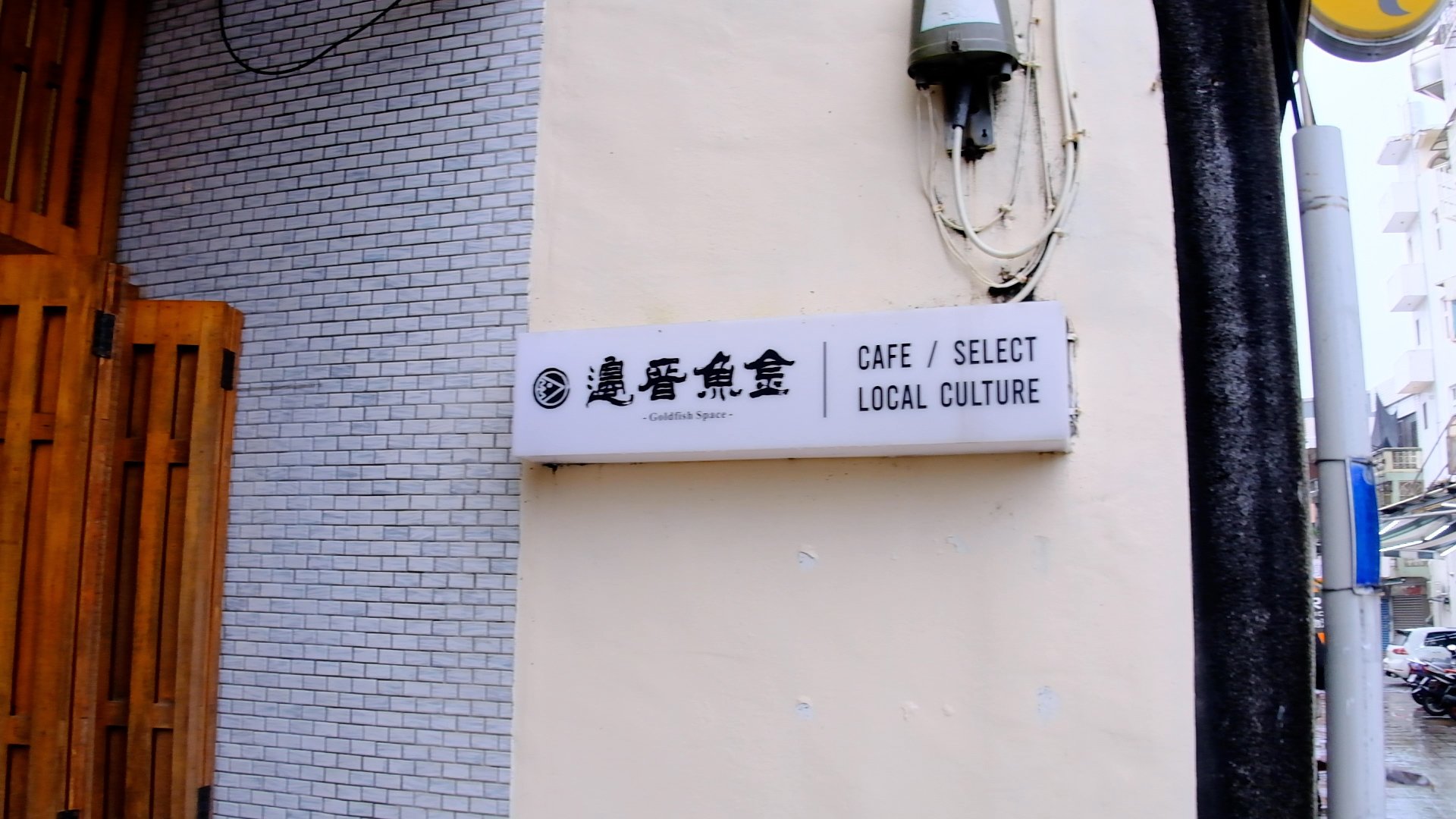
金魚厝邊 Goldfish Space
導覽員 | 頭城家商觀光科 李欣儒.簡悅穎
指導老師 | 李卉芹
「金魚厝邊」是一間座落於頭城老街,一間有50年歷史的老屋,他的主人是在1968-1977年擔任頭城鎮長的邱金魚先生。2015年,由返鄉青年彭仁鴻號召在地青年舉辦第一屆頭城老街文化藝術季,活動結束後,受到在地長輩的引薦,承租了這棟差點被拆掉的老屋,成為青年返鄉投入地方工作的第一個據點。「金魚」取自頭城老鎮長邱金魚先生,以「好厝邊」精神串連在地人、地、產,金魚厝邊團隊挖掘在地城鎮品牌魅力特色、並且推廣在地藝文活動。
“Goldfish Space” is an old house with fifty-year history, where it is located at the Toucheng old street. The owner of the house was Mr. Qiu Jinyu(邱金魚,金魚 means gold fish), who used to be the Toucheng town mayor from 1968 to 1977.
In 2015, hometown-returned youth Peng Renhong called local youths to hold the first session of Toucheng Art Festival. After then, Peng Renhong was recommended and chosen by local elders to lease this old house, which had been nearly demolished. Therefore, it becomes the first spot for hometown-returned youths to devote into regional revitalization.
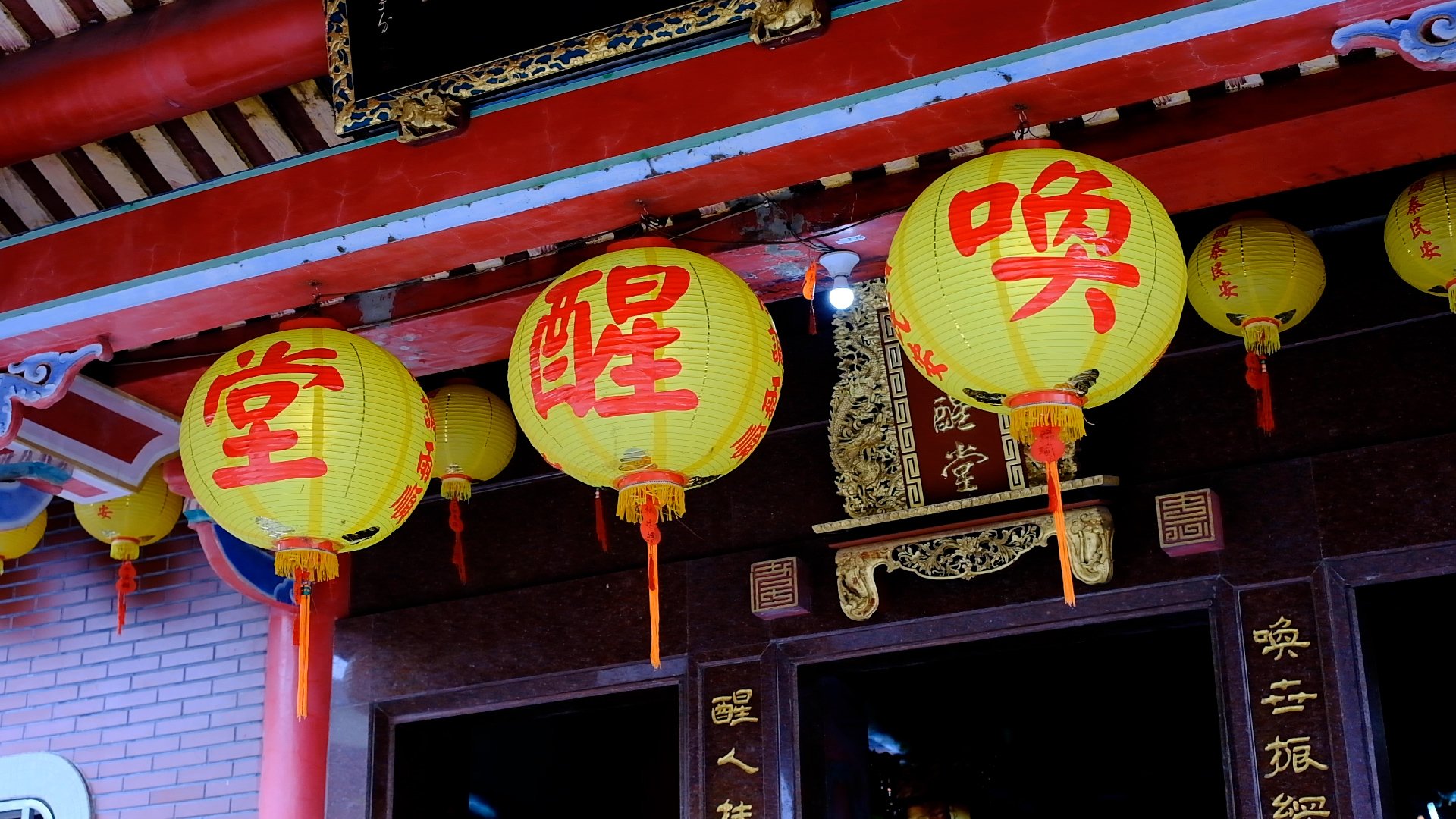
喚醒堂 Huanxing Hall
導覽員 | 頭城家商觀光科 李家成.林佑澤.葉弘呈
指導老師 | 陳俞菁.陳俐淳
鸞堂是以扶鸞(註一)為主要儀式,兼顧善書與宣講的宗教。起源於清末明初時期,其主要祭祀神明為「恩主」。喚醒堂是頭城第一座鑾堂,日本治台初期,地方人心惶惶,仕紳吳祥煇等人創辦鸞堂,取名為喚醒,開設書塾、詩社,倡議戒鴉片,在安定民心上,發揮相當影響力。
喚醒堂在扶鸞界的地位甚高,曾經傳播鸞法予木柵指南宮、金瓜石勸濟堂、基隆正心堂、淡水行忠堂、深坑集文堂、新竹宣化堂、新竹贊化堂等。
除了信仰之外,主要開辦私塾、詩社,鼓勵民眾戒除鴉片等。前宜蘭縣長盧纘祥、林才添等,都曾是喚醒堂門下弟子。
特別的是,喚醒堂不同於一般的廟宇,設有字紙亭,用於焚燒有文字的紙張,顯現古代文人敬惜字紙的精神。
*註一「扶鸞」:一種天人的溝通方式,指神降在鸞生身上,由鸞生持木筆在沙盤上寫字的宗教儀式
Huanxing Hall is one of important Phoenix Halls in Taiwan. In the late Qing Dynasty(1875-1911), Phoenix halls in Yilan served as gathering places for scholars. Led by imperial degree holders Yang Shih-fang and Lee Wang-yang, the movement received a positive response from the local gentry in Yilan County and quickly spread throughout Yilan. In the early years of the Japanese Occupation, phoenix halls further expanded across Taiwan. This cultural movement with its origins in Yilan went to influence Taiwan as whole.
Phoenix halls, by nurturing talent, fighting opium, promoting poetry societies, and conducting social philanthropic activities, made significant positive contributions to Taiwanese society.
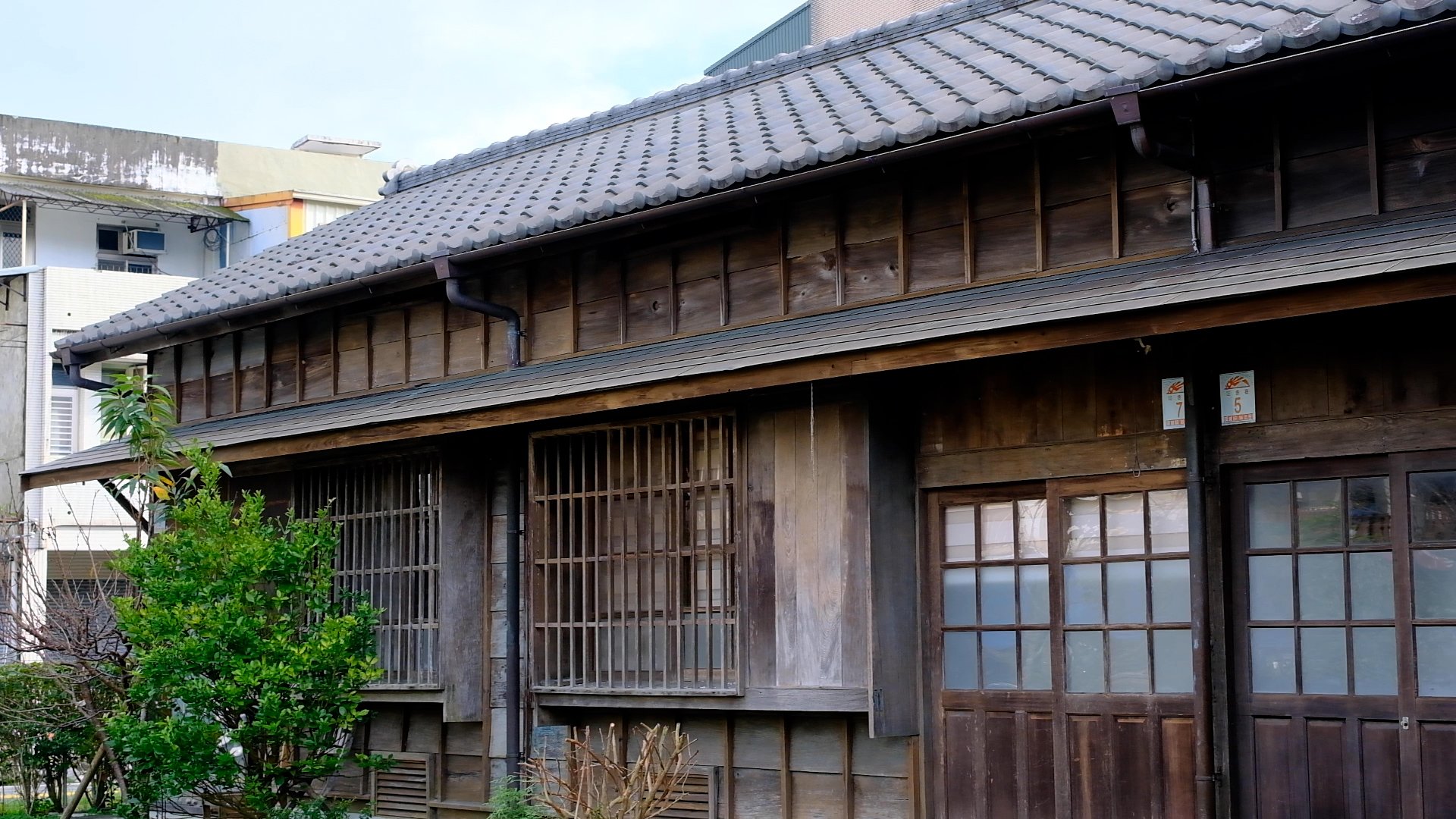
頭城文創園區 Toucheng Cultural and Creative Park
導覽員 | 頭城家商觀光科 吳映辰.林岑家.陳姿璇
指導老師 | 林玉涵
頭城文創園區原為台鐵頭城車站舊站長宿舍,建造年代不詳。外觀為日式木構造建築,由檜木及杉木築成之一層樓建築,地面並依當時法規抬高60公分,外觀施以押條雨淋板,屋頂已更換為水泥瓦。室內以「緣側」(廊)與後院相連,前後皆有小庭院,為典型日式住宅作法。
在2005年被宜蘭縣政府列為歷史建物,也在宜蘭縣文化局的規劃下,修復建築並改造,2011年正式開放成為現今的頭城文創園區。
The Toucheng Cultural and Creative Park used to be the station master’s dormitory of the Taiwan Railway Toucheng Station. The exterior is a Japanese-style wooden structure building, a one-story building made of cypress and fir.
- The ground is raised by 60 cm according to the law
- Appearance covered rain panels
- The indoor corridor connects with the backyard
In 2005, it was listed as a historical building by the Yilan County Government. After restoration and transformation, it was officially opened in 2011 and became the current Toucheng Cultural and Creative Park.