National Science And Technology Museum
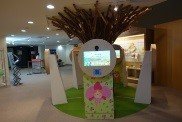
Invest in Taiwan
“The Story of Taiwan Agriculture” introduces Taiwans’ Agriculture and presents rich and diverse agriculture in Taiwan through a variety of exhibits.
An I-pass is required to play the game in this exhibition. First, You need to register, and choose your farm land, such as rice or banana.
Agriculture is an economic activities. We hope to foster visitors’ economic concept. Through playing games, you can accumulate your money, then to do some investment and grow up your crop in your farm land.
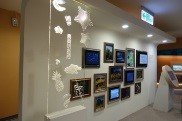
Agricultural Star List
Taiwan’s natural environment and geological location have enabled people to farm here throughout history. The introduction of various technologies have also earned the agricultural technologies and products of Taiwan an international reputation. Over the last century, Taiwan has seen many agricultural products display stellar value in export or output, listed below.
Such as Rice, Sugarcane, Camphor, tea, banana, pineapple, asparagus, mushroom, eel, Asian Tiger Shrimp, Pig, Orchard, Grouper.
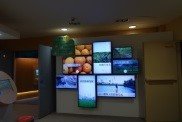
Agriculture Clinic
Changes in society and global climate are presenting numerous challenges for the agriculture in Taiwan.
These challenges are:
1. Intense rainfall and droughts brought by severe climate has adversely affected the stability and yield of agriculture.
2. Forests cover roughly 60% of Taiwan, which limits the area of farmable land.
3. Many farms in Taiwan are small, and high labor costs prevent them from gaining the economies of scale.
4. Rural populations are experiencing relocation and aging workforces.
5. Taiwan has been opened to agricultural imports, which compete with domestic agriculture.
6. Improper use of chemical fertilizers and pesticides have harmed the natural environment.
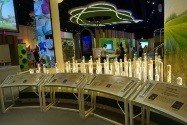
Rice Landscape Wall
This area is rice landscape wall which we introduce varieties of local rice. Here we introduce 2 of them.
1. Taichung 65 was released in Taichung District Agricultural Research and Extension Station, COA in 1936.
During the Japanese occupation period, the Japanese introduced their favorite Japonica rice varieties to Taiwan and crossbred it with native rice. The most famous result is Taichung No. 65, which features high yield, wide adaptability, and excellent grain quality.
2. Tainan 16 was released in Tainan District Agricultural Research and Extension Station, COA in 2012. It merges the sun resistance of Tainung 67 and the texture of Koshihikari rice. It has thus been praised as the Taiwanese version of Koshihikari rice.
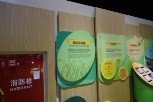
Domestication and selective breeding
The natural environment contains many elements that are essential to human survival, including sunlight, water, air, and nutrients from other living creatures. These elements enable us to generate enough energy for the continuation of our species and the development of civilization.
Early hunting and gathering required a lot of physical strength, which led to the domestication of wild or foreign species so that they could adapt to the environment created by humans.
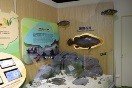
Aquaculture of groupers in Taiwan
In the past, groupers were caught from the ocean, which were not enough to meet market demands. To ensure that the quality and quantity of groupers supplied to markets, fisheries collaborated with researchers in Taiwan in breeding propagation and bred many varieties suitable for aquaculture. This also established supporting industries in artificial feed, disease control, aquaculture equipment, transport, marketing, and processing, thereby creating a professional supply chain for the grouper industry in Taiwan.

Varieties of jelly fig in Taiwan
Jelly fig (Ficus awkeotsang Makino) is endemic species of Taiwan. In the past, the fruit was collected from wild and the quality was not stable. Miaoli District Agricultural Research and Extension Station, Council of Agriculture, developed the lowland production techniques of jelly fig and bred 2 varieties “Miaoli 1” and “Miaoli 2”.The two varieties have excellent traits including high productivity, big fruits and high pectin content, which might contribute to the industrialization of jelly fig.

Ornamental shrimp
Crystal shrimp and Neocaridina shrimp are small ornamental shrimp that can be black, red, blue, or white in color. Breeders often crossbreed individuals with appealing colors and attempt to create shrimp with stable color expression via selective breeding.
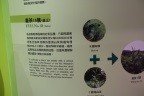
Birth of new varity──TTES No.18 (Ruby)
Cells are the fundamental units of living organisms. Every cell in the same living organism contains the same genetic material, which can be passed on to new organisms (offspring) via reproduction. When useful and distinctive characteristics appear in the offspring, they can be purified and stabilized to develop new species.
There will be some examples for crossbreeding:
To cultivate a black tea variety with a unique flavor, the Yuchih Branch of the Tea Research and Extension Station, COA cross-bred the clean and slightly minty Taiwan wild black tea with Burma. After over fifty years of breeding and selection, the cinnamon, slightly minty, and rich-tasting TTES No.18 (Ruby) was developed.

Minipigs for medical research
Miniature pigs are often used for medical research because their organs are similar to those of humans and because they are easy to handle. The Taitung Animal Propagation Station of the Livestock Research Institute, COA, used the small and highly adaptable Lanyu pigs to develop minipig breeds and lines.
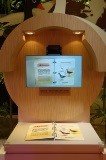
Mule duck
In the past, the texture of the meat of Pekin ducks, which are common in other countries, was not favored in Taiwan. This led to the crossbreeding of a male black Muscovy duck with a female brown Tsaiya duck, which produced the mulard. Due to the black feathers of the mulard, the Duck Research Center (currently the Ilan Branch of the Livestock Research Institute) spent decades crossbred a white Tsaiya duck with a Pekin duck to derive the white-feathered Kaiya duck, which was then crossbred with a large white Muscovy duck to obtain the tastier and leaner white mule duck.
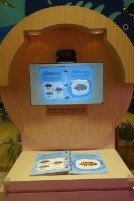
Tilapia
The Taiwanese name was given to commemorate the two men who introduced this species of fish to Taiwan in 1946: Cheng-huei Wu and Chi-chang Kuo. The crossbreeding of tilapia has produced many species with high economic value. They are collectively referred to as Taiwan Tilapia and are available commercially around the world.
Mozambique tilapia are very adaptive but are small in size, darker in color, less resistant to the cold, and extremely reproductive.
Female tilapia are mouthbrooders, which prevents them from feeding properly. As a result, they are smaller in size and have lower economic value.
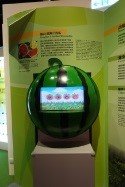
Mutation breeding──Fengshan 1 Seedless Watermelon
Mutation breeding involves the use of chemical or physical methods to induce genetic or chromosomal mutations and then selecting individuals of value from the results. For example, colchicine is used to create polyploid plants, and high-energy radiation stimulates gene mutations.
There used seedless watermelon as example:
Fengshan 1 is the first seedless watermelon variety to be successfully developed in Taiwan. With its tough peel and resistance to transport, high sugar content, and its succulent and firm red flesh, it became the world’s first seedless watermelon to be exported.
The principle of creating seedless watermelon lies in the use of colchicine to form tetraploid watermelons (four sets of chromosomes). The crossbreeding of tetraploid watermelons and normal diploid (two sets of chromosomes) watermelons results in seeds that grow into underdeveloped triploid (three sets of chromosomes) and thereby seedless watermelon.

Plant tissue cultures──somaclonal variation and meristem propagation
In plant tissue cultures, plant portions such as organs, embryos, seeds, tissue, or single cells are cultivated in a sterile medium. What is unique about plants is that even a single cell has the capacity to grow and regenerate into a complete plant, which is referred to as totipotency.
With this characteristic and tissue cultures, scientists can rapidly produce large quantities of healthy plantlets, improve varieties, and preserve genetic resources. Tissue cultures have contributed substantially to the horticulture industry
Mass production of Taiwan butterfly orchids
Butterfly orchid is regarded as queen of orchid, and Taiwan is the kingdom of butterfly orchid. The production place for butterfly orchid requires rain and light preventing facilities with high humidity and well ventilated. Tissue cultures is a good way to make the production of butterfly orchid more economically.
The mass production of butterfly orchids can be achieved using tissue cultures, which clone plants by inducing, sectioning, and cultivating explants from stalk, root, stem, leaf tissues.
Panama-disease-resistant banana
In 1983, the Taiwan Banana Research Institute developed the technology to mass-produce healthy banana seedlings using tissue cultures and selected varieties resistant to Panama disease using somaclonal variation technologies. They were the first to produce banana seedlings from tissue cultures and commercialize a disease-resistant variety, thereby contributing significantly to the sustainability of the banana industry.
DNA
All living organisms have DNA, which are the blueprints of life. Genetic information is passed on via the order of four nucleobases: A, T, C, and G.
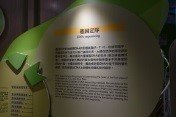
DNA sequencing
DNA sequencing is the process of determining the order of the four types of nucleotides (A, T, C, and G) in DNA.
While there are a number of DNA sequencing methods, the principles of the greater majority come from the Sanger method, which involves the process of mass cloning DNA (polymerase chain reactions (PCR)) and creating DNA segments of varying lengths using dideoxynucleotides with fluorescent markers. During electrophoresis, the order of the four types of nucleotides on the different sizes of DNA fragments can then be derived by detecting the various fluorescent signals on the DNA segments.
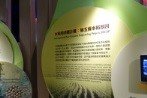
International Rice Genome Sequencing Project, IRGSP
The rice genome (containing approximately 435 million nucleotides) conveys less genetic information than other species in the Poaceae family (such as wheat and maize). For these reasons, rice became the first species in the Poaceae family to be sequenced in a genome sequencing project. It was hoped that the achievements of the project will stimulate related research in breeding.
The IRGSP was the joint undertaking of ten nations, launched in 1997 and completed in 2005. Taiwan research institutions completed the sequencing of the 30 million nucleobases in the fifth chromosome.
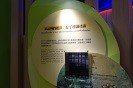
Maker Assisted Selection
Before the discovery of DNA and the beginning of molecular biology, the genetic traits of living organisms were identified from appearances, which was time-consuming and often inaccurate. Marker-assisted selection can be used to identify genetic relationships and species and aid in breeding and selection.

Biochips
Biochips are miniaturized devices carrying substantial quantities of genetic or biological information on small substrates of thin films, glass, or silicon chips. They can rapidly and accurately analyze and compute complex biological reactions.

Gene recombination
Gene recombination refers to the use of restriction enzymes and DNA ligase to cut gene segments from different organisms and then splicing them into a new genes.
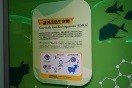
Genetically modified organisms
GMOs involve the use of gene transfer technologies to incorporate recombinant genes into the genome of the organism being modified to derive target genetic traits. Gene transfer can give organisms the genetic traits of other organisms or foreign genes that inhibit the expression of their original genes. For instance, the herbicide resistance of bacteria can be given to corn, or gestation can be prevented in zebrafish.

Virus-resistant papayas
The greater problem for papayas is the papaya ringspot virus (PRSV), which once reduced the yield of papaya in Taiwan so severely that market demand could not be satisfied.
Professor Shi-dong Yeh’s research team at National Chung Hsing University mapped the genes and sequences of PRSV, and by transferring the coat protein gene of the virus into papayas using Agrobacterium, they succeeded in making the genetically modified plants resistant to PRSV. They subsequently developed the New Tainung No. 2 papaya, a transgenic, commercially available variety that is resistant to both PRSV and the papaya leaf distortion mosaic virus (PLDMV).

White oncidium orchids
Cut flowers of Oncidium orchids generally have yellow blossoms, with very less red and white blossoms. The determinant factors of blossom color are genes affecting carotenoid pigmentation. The research team led by Professor Kai-Wun Yeh at the Institute of Plant Biology of National Taiwan University used RNA interference method to down-regulate the carotenoid-biosythesized gene, and reduce floral color of Oncidium orchids. This results in the decomposition of carotenoid on the petals and produced completely white Oncidium orchids.
Fluorescent fish
Fluorescent fish are the result of transgenic engineering in which fluorescence genes from marine animals such as jellyfish and coral are transfered into fertilized fish eggs. This is followed by breeding, matching, and screening to obtain new varieties that display highly fluorescent characteristics.
One of the first fluorescent fish was developed by Professor Huai-Jen Tsai at the College of Life Science in National Taiwan University in 2001. This discovery ignited the ornamental fish industry and promoted academia-industry cooperation between private biotechnology companies and research institutes in Taiwan. Numerous eye-catching species were bred by transferring various fluorescent genes. Varieties whose entire bodies glow have increased ornamental value. However, animals with expressions specific to particular organs or tissues can serve as models to illustrate embryonic development in medical research. Moreover, they could even become live detectors for environmental pollutants.
Cloned cows and cloned goats
Holstein-Friesian cows and Alpine goats are the primary milk producers in Taiwan. Since 2001, the Livestock Research Institute has been conducting research on the cloning of these two species. They successfully produced Taiwan’s first cloned cow and goats and hope to use cloning technology to preserve the characteristics of quality livestock animals and develop agricultural products that promote human health. They even used gene transfer technology to produce cloned goat Baoyu with the human coagulation factor VIII gene, which is used in the treatment of haemophilia A.

Certifications with multi-level inspections
To increase the yield of agricultural products, humans use chemical pesticides, fertilizers, and antibiotics. However, the improper use of these materials can harm the environment. The objective of safe agriculture is to solve this problem and encompasses the means of applying chemical substances appropriately, the development of biological materials, and the implementation of inspection checks.
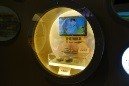
Use of fly head enzymes to test pesticides
The Taiwan Agricultural Research Institute of the Council of Agriculture under the Executive Yuan developed a quick, simple, and accurate agent to test for residual pesticides in fresh produce and cereal grains using enzymes extracted from fly heads.

Microorganisms and Agriculture
Microorganisms are adept and converting organic and inorganic matter in the environment. By taking advantage of this feature, we can reduce the use of chemical substances and enhance the growth of crops, livestock, or aquatic products.
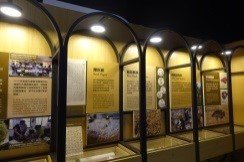
Value Added Applications in Agriculture
Agriculture, which depends heavily on the weather, also provides raw materials for various processed goods, and even waste that was originally useless can be found value through scientific research and development.
Here we have some examples:
Tilapia Fish by products
During the production of fish fillet, parts such as bones, skin, and scales are generally disposed of. The Kouhu Fisheries of Yunlin County has been making endeavors to develop multiple purposes for various Tilapia parts with the objective of increasing utilization rate and industry competitiveness.
Different Parts of Tilapia can be made into several products.
Such as:
Betel Leaf Slippers
Betel palms are easy to grow, and their fruit serves as an edible hobby good. As a result, groves of ramrod straight betel nut palms have become a common sight in Taiwan’s countryside. However, the carcinogenic effect of chewing betel nuts also prevents this industry from being promoted further. Seeing his elders put betel leaves into their shoes to absorb sweat and reduce odors, Betel Life founder Jian-liang Lu was inspired to develop betel leaf slippers and create another commercial path for the betel industry.
Rice Husk Tableware
During the processing of rice grain, rice is separated from the husks (hulls) and bran. Rice and bran can be developed into a variety of edible products, whereas hulls serve as fuel or livestock bedding and have less commercial value. Inventor Ming-hsing Huang developed lightweight and convenient tableware using rice husks (hulls), thereby giving husks (hulls) new market value.
Seed Paper
Seeds require water and certain environmental factors in order to sprout. With this feature, paper-making material can serve as sowing bed that increases the commercial value of recycled paper and develops a diverse and unique means of planting.
Pineapple Fiber Paper
The primary material of paper is plant fiber. The warm and humid climate of Taiwan makes it an ideal place to grow a variety of fiber plants such as hemp, bamboo, wood, shell ginger, and pineapple.
In 2015, the Agriculture Bureau of the Kaohsiung City Government instructed pineapple farmers in Dashu District of Kaohsiung City on how to turn waste pineapple leaves into handmade products, thereby offering the local rural community with new prospects.

Lohas Agriculture
LOHAS Agriculture
Taiwan’s rich climate and geological conditions have created a variety of agricultural features throughout different parts of Taiwan. Designs combining farms with tourism and leisure activities allow consumers to experience and get closer to farming, thereby providing farmers with another source of income and the general public with greater understanding of farming.
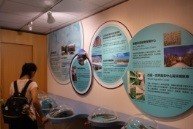
Protecting Genetic Sources
Biological organisms evolve diverse genetic characteristics in order to adapt to the environment, whereas human select certain biological organisms as agricultural products based on their needs. However, whether they are native, introduced, or new species, they are significant resources of human subsistence and sustainable ecological development.
Other than in the conventional form of live bodies, genetic resources can also be conserved in the form of genetic material, tissue culture, or frozen germ cells. The primary conservation centers in Taiwan include the following:
National Plant Genetic Resources Center
AVRDC – The World Vegetable Center
Taiwan Animal Germplasm Center
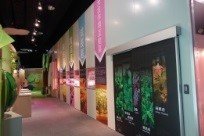
Plant House
Plant house is the application of environmental Control Technology.
1. Due to climate change, which cause drought, heavy rainfall, grow indoors you can avoid the influence of natural disaster.
2. Inside the plant house, we use LED light where we can control different colors of light for the growth of plant.
3. The plant grow inside water which can avoid pests and diseases. Without dust inside, where you need to wear clean clothes.
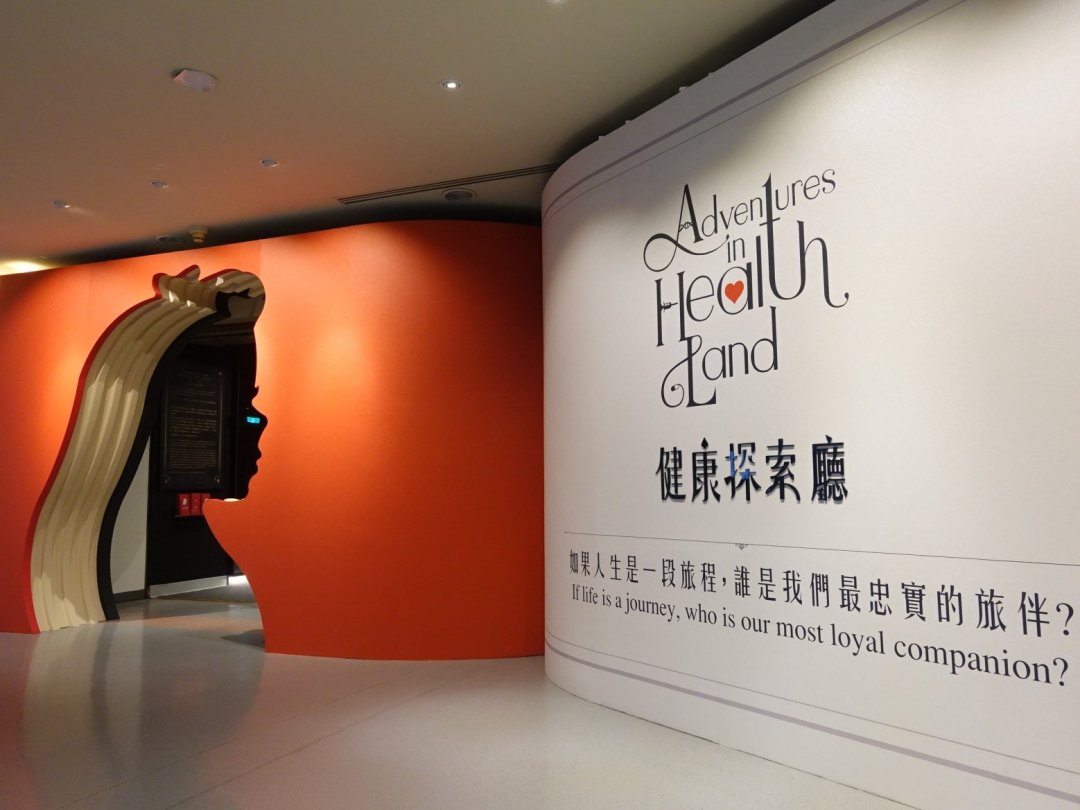
What is HEALTH?
If life is a journey, who is our most loyal companion?
This exhibit focuses on three main aspects of health: understanding your body and its functions, learning about the different modern diseases, and discovering ways to improve and maintain health. As you walk through the exhibit, ask yourself,” What does health mean to you?”
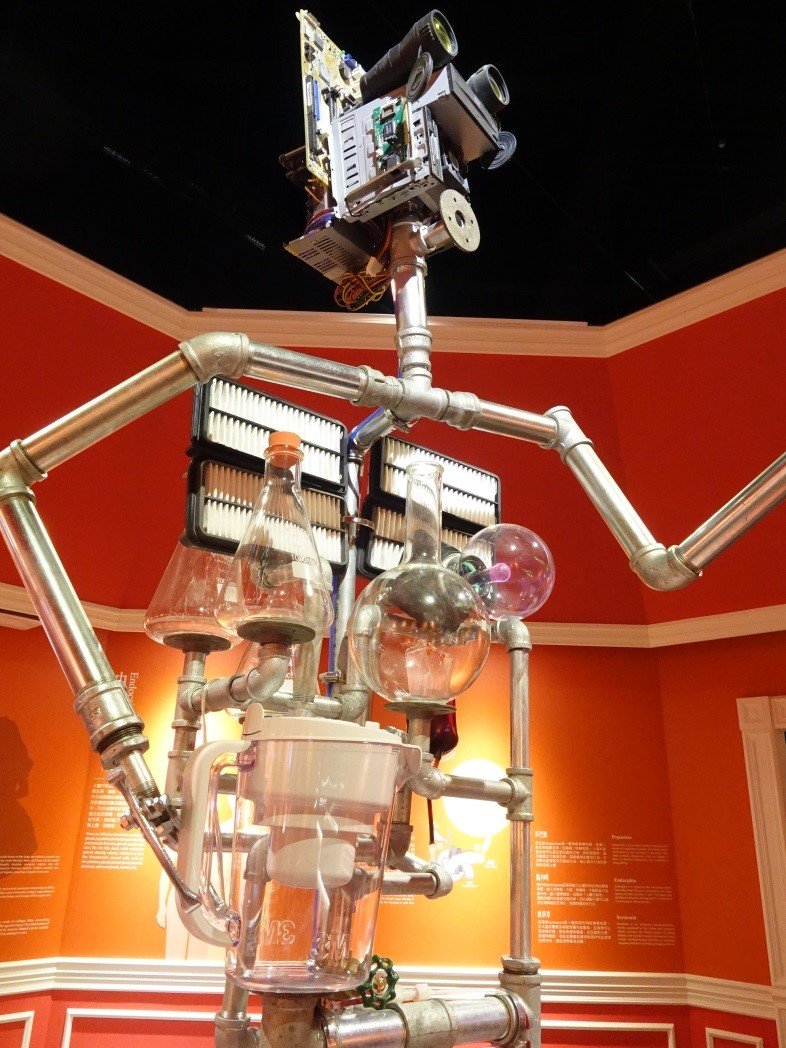
Know your body
Humans create machines. Amazingly the human body is like a factoryfull of machines. Every organ functions as a precision component, operating day and night through division of labor. What components exactly does your body contain?
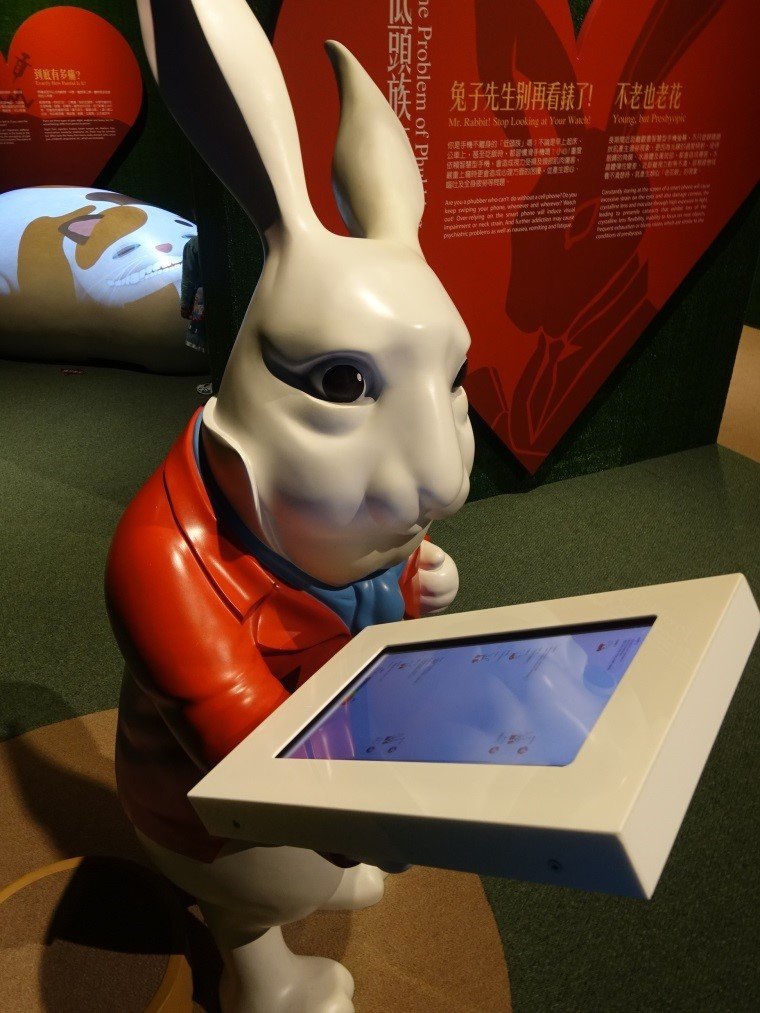
The Problem of Phubbing
Are you a phubber who can’t do without a cell phone? Do you keep swiping your phone, whenever and wherever? Watch out! Over-relying on the smart phone will induce visual impairment or neck strain. And further addiction may cause psychiatric problems as well as nausea, vomiting and fatigue.
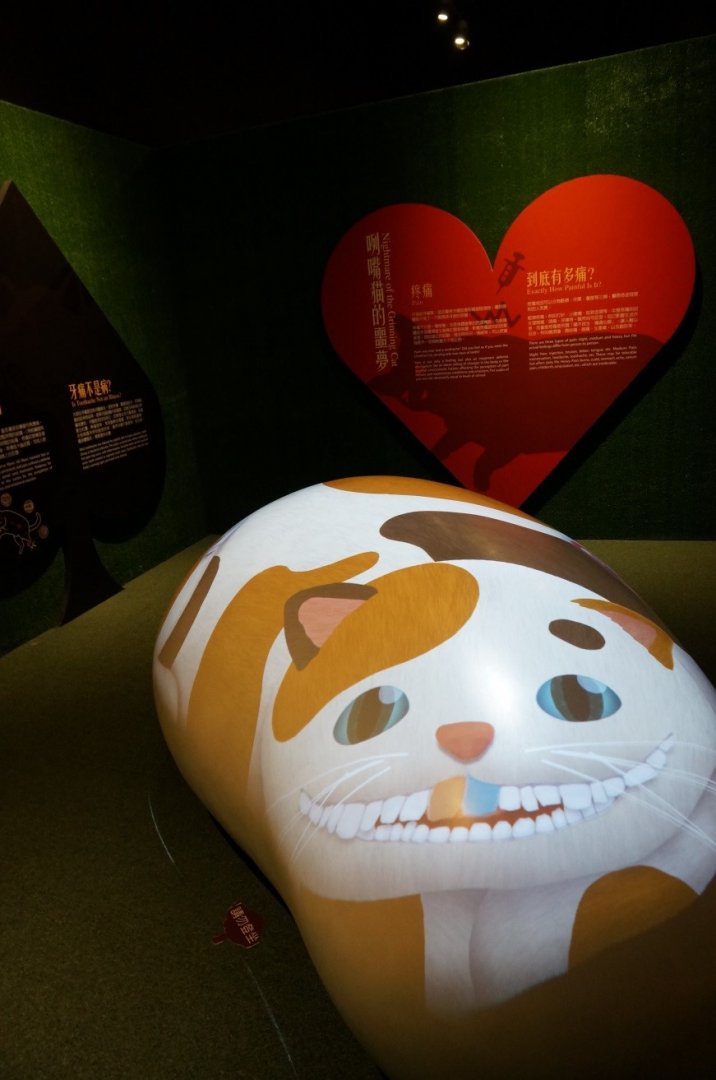
Nightmare of the Grinning Cat-Pain
Have you ever had a toothache? Did you feel as if you were the Cheshire Cat, sensingonly two rows of teeth?
Pain is not only a feeling, but also an important defense mechanism, like an alarm, telling of changes in the body or the external environment. Factors affecting the perception of pain include past experiences, conditions and emotions. The scales of pain are not necessarily equal to levels of stimuli.
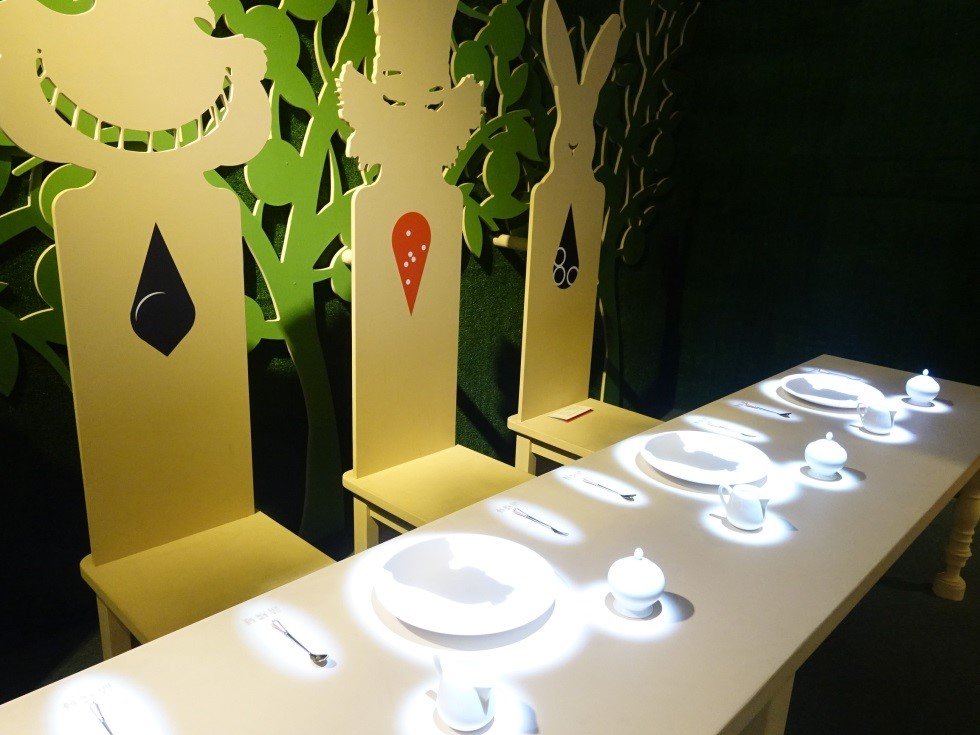
Metabolic Syndrome
What should we eat? Are irresistible desserts a trap of illness? Metabolic syndrome is a clustering of combined clinical symptoms like obesity and abnormality of blood pressure, blood sugar and blood fat. It is a warning of high risk of chronic diseases such as diabetes, hypertension, hyperlipidemia, cardiovascular disease and stroke, which are leading death causes in Taiwan. Metabolic syndrome is a real threat to health.
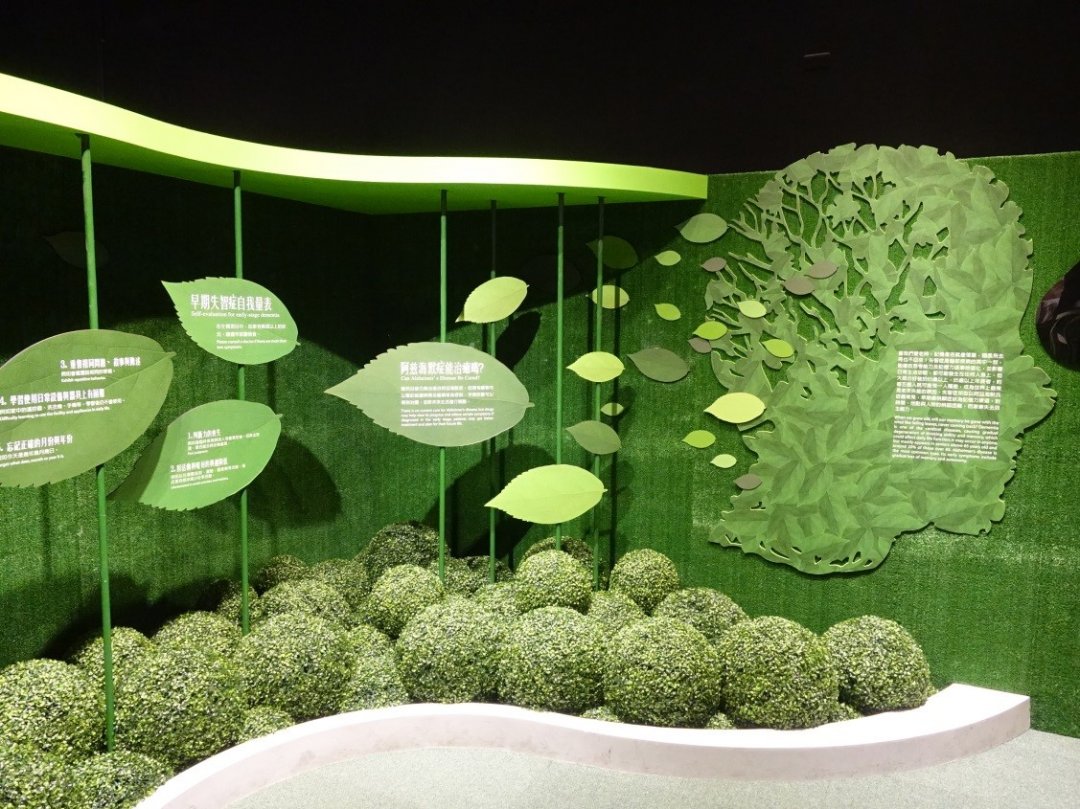
Forest of Forgetfulness──Dementia
When we grow old, will our memory be gone with the wind like falling leaves, never coming back?
Dementia is one of the cerebral diseases, causing gradual degeneration of thinking ability and memory, which could affect daily life function. It may occur in anyone, but mostly appears in seniors above 65 years old and around 20% of those over 85. Alzheimer’s disease is the most common type. Its early symptoms include gradual loss of memory and autonomy.
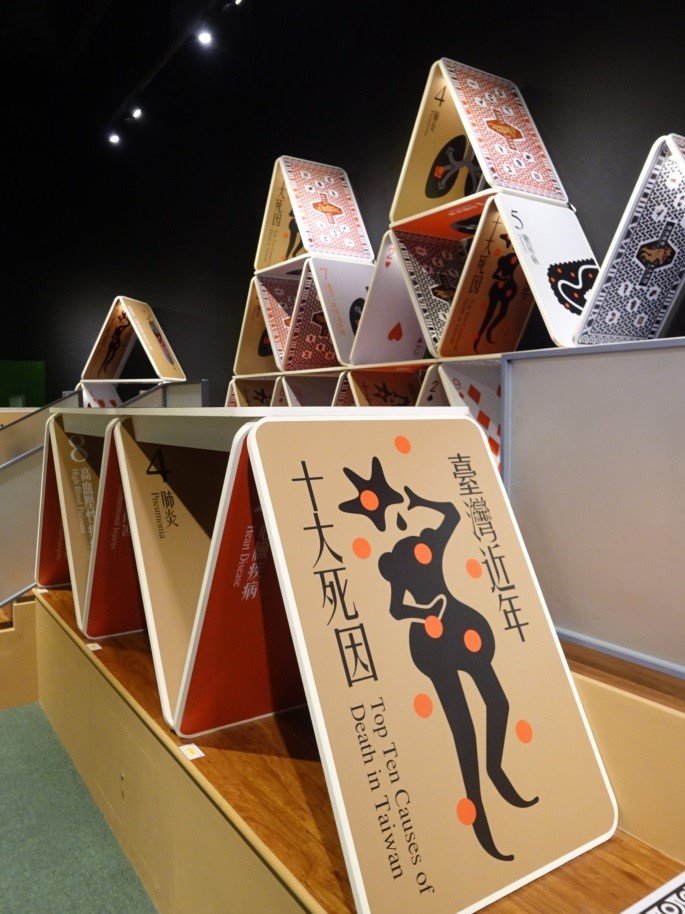
Top Ten Causes of Death in Taiwan
If life is a poker game, a disease is like the hidden joker card. A disease can be cured or lethal. Let’s explore the symptoms, causes and diagnoses of various diseases and seek the knowledge to prevent them.
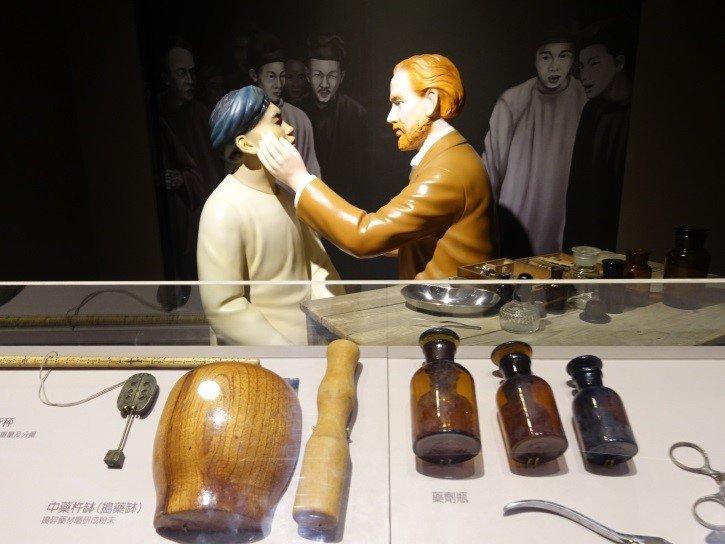
Past, Present and Future of Healthcare in Taiwan
A visit to the doctor is usually the decision for the majority to deal with illness today. But it was far from a natural response in Taiwan’s past history of medicine. Taiwan officially established a Western medical system in the last century. Formerly, Taiwan’s indigenous and Han Chinese people used traditional medicine to treat physical illness or to console the emotions.
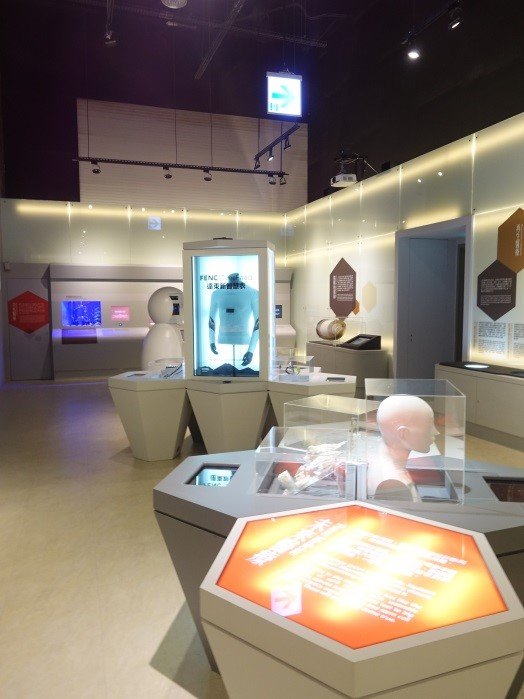
Future Medicine
Technology grows exponentially. Medicine is not just diagnosing and treating disease, but also predicting and preventing it. Medicine in the future will be just like the scenes of sci-fi movies, from wearable device, remote surgery, genetic test to big data analytics, organ printing and stem cell therapy. These will eventually come true.
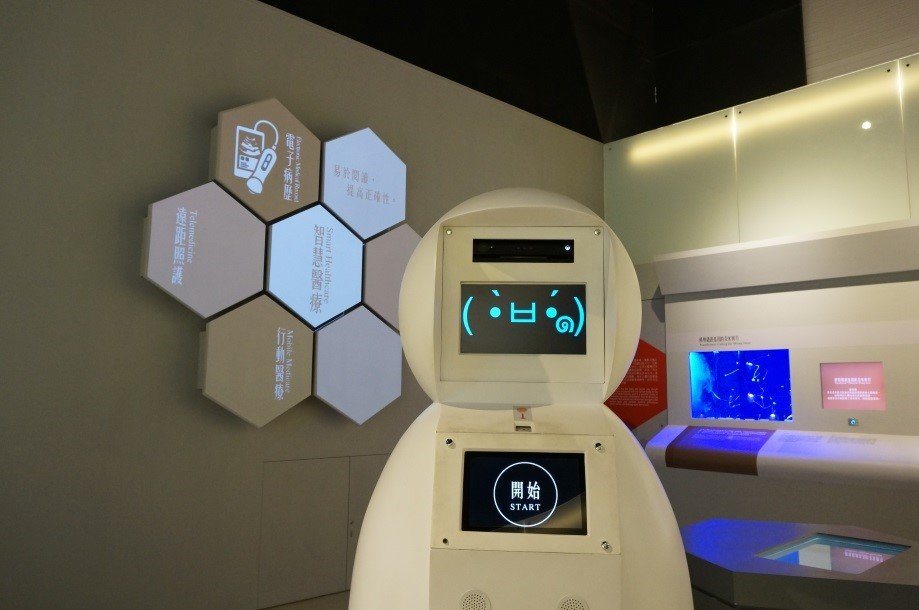
Smart Healthcare
It is common now for patients to visit a hospital to receive medical care. As information technology thrives day by day, smart healthcare will cross regional boundaries to instantly transmit and analyze various medical data, via telecare or electronic medical records, providing better service at lower cost.
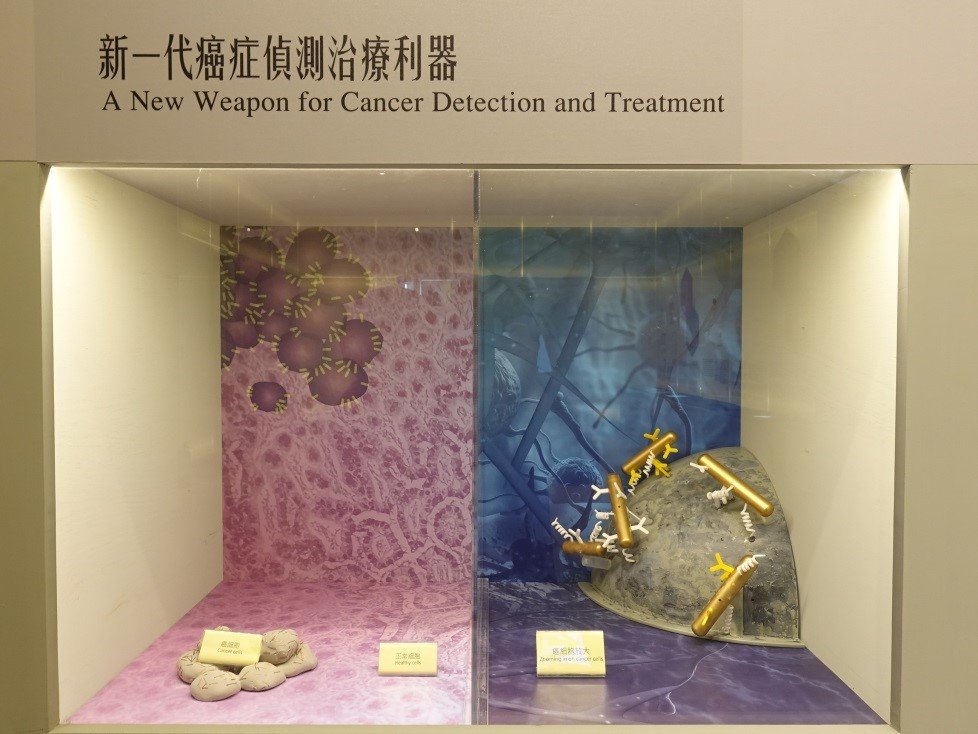
Nanomedicine
In the film, The Ant Bully, the doctor was shrunk minimally and injected into the human body. In the world of nanomedicine, such is a possible scene. In the future, bio-nano components may be driven by magnetic field and ultrasound to enter a target in the human body and perform medical procedures, which will be self-disintegrated afterwards.
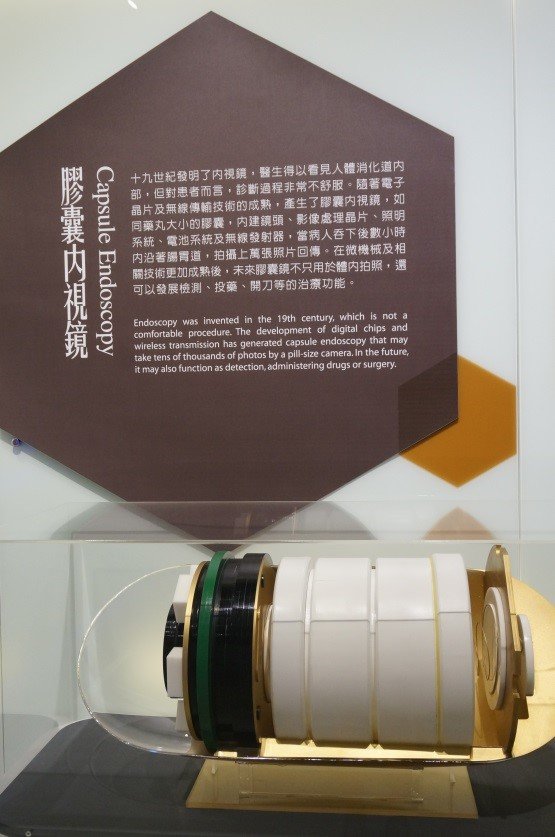
Capsule Endoscopy
Endoscopy was invented in the 19th century, which is not a comfortable procedure. The development of digital chips and wireless transmission has generated capsule endoscopy that may take tens of thousands of photos by a pill-size camera. In the future, it may also function as detection, administering drugs or surgery.
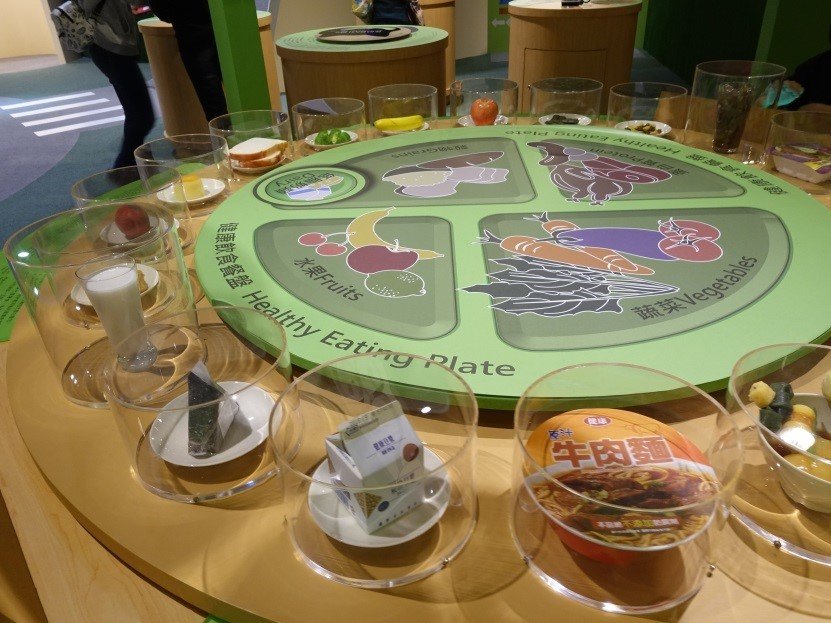
A Healthy Diet
If life is a journey, health is our passport to every place. Only with health can we enjoy a happy journey in life.
Keeping healthy relies on modern medicine and good daily habits. It is essential to stick to a healthy diet, nurturephysical fitness, and positively face life’s challenges in order to lead a healthy life.
Physical Fitness
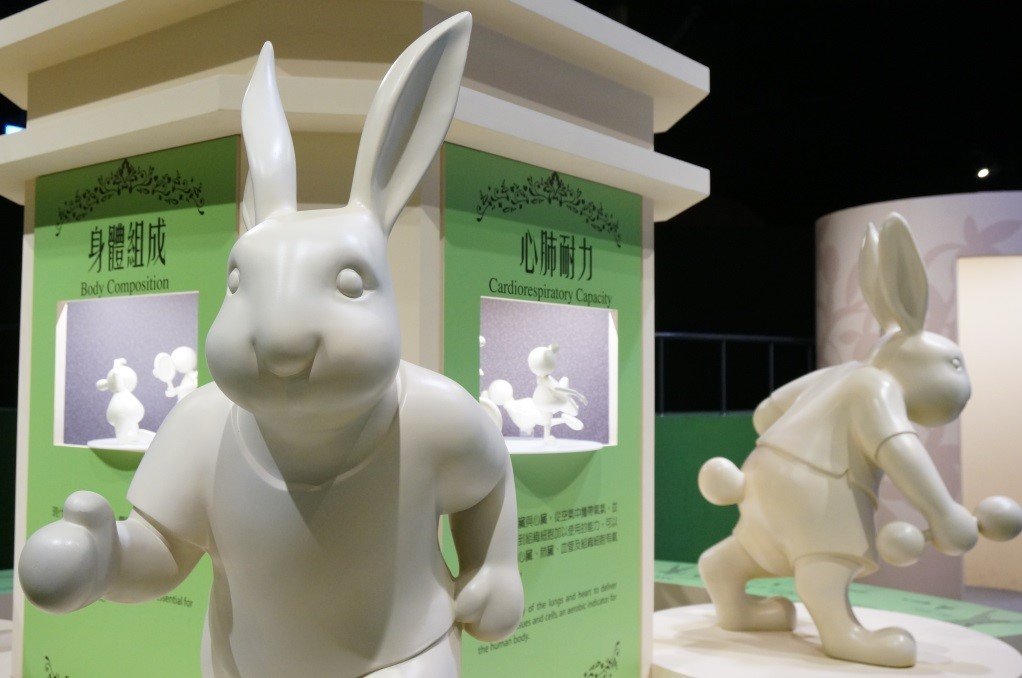
A person’s physical condition is closely linked to quality of life and health. The normal functioning of all human organs is needed to cope with daily tasks, enjoy leisure activities and deal with unexpected events. Four aspects of physical fitness are cardiorespiratory capacity, muscular strength and endurance, flexibility and body composition. Physical condition may be measured and enhanced by regular exercise.
The benefits of walking
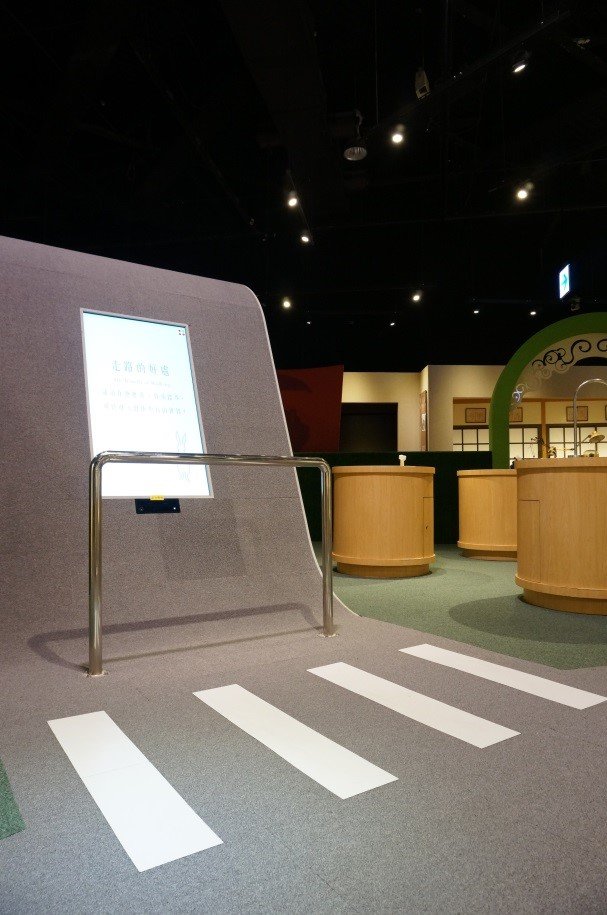
Walking is a great form of exercise! This machine encourages you to walk as the doctor in the video shows up. Simply mimic a walking motion as the video explains the benefits of walking. The video talks about how walking is a great form of cardio that anyone can do. Exercising does not have to be done at a separate time. In fact, it can be incorporated into your daily life. It is recommended that one walks ten thousand steps per day or two hours of walking. Taking short walks after meals is great for digestion and taking walks after sitting will help increase blood flow throughout and relieve stress. Remember to take a break and walk around!
Mental Health
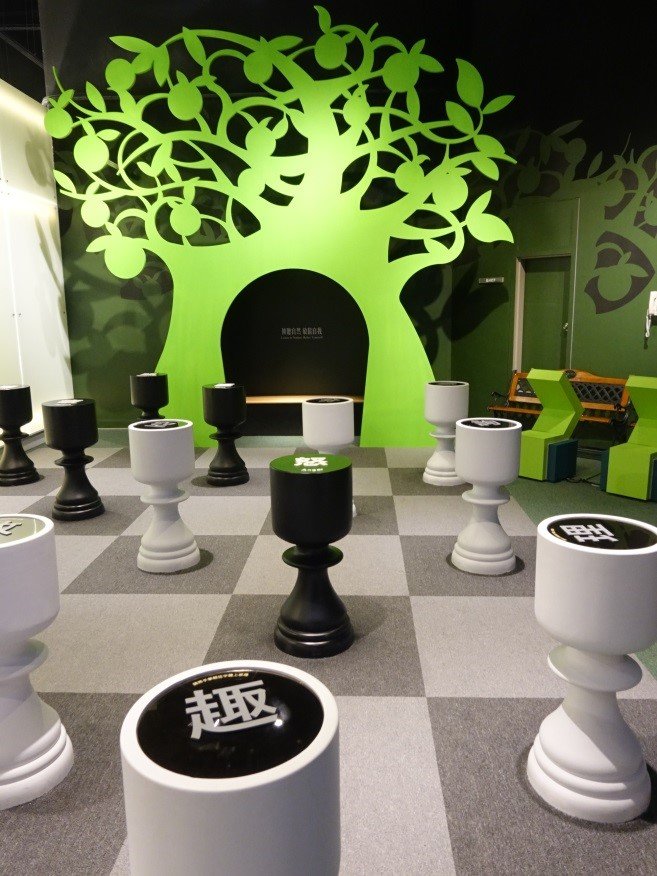
Life is like a chess game, constantly playing between pessimism and optimism, which may lead to various outcomes.
When an alarm like pressure, anxiety, worry or fear strikes, it is better to deal with it as soon as possible. Besides professional consultation, it is also helpful to practice relaxation, turn to beneficial activities, or share feelings with others.
At the beginning
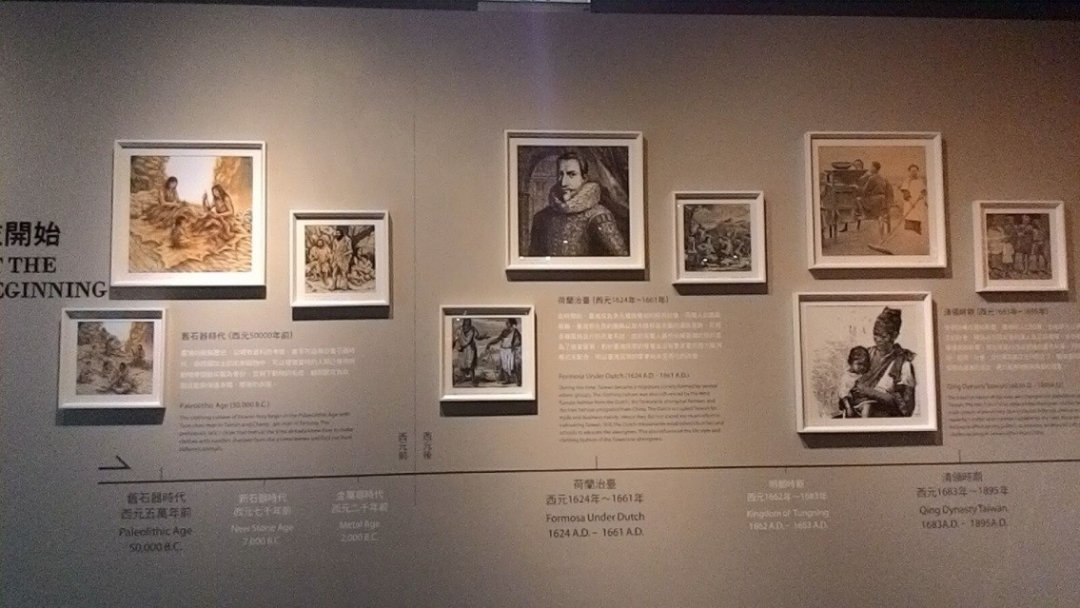
a. Paleolithic Age (50,000 B.C.)
The clothing culture of Taiwan may begin in the Palaeolithic Age with Tsuo chen man in Tainanand Chang_gin man in Taitung. The prehistoric relics show that men at the time already knew how to make clothes with needles sharpen from the animal bones and furs cut from different animals.
b. Formosa Under Dutch (1624A.D.-1661A.D.)
During this time, Taiwan became a migratory society formed by several ethnic groups. The clothing culture was also influenced by the West Europe fashion from the Dutch, the Taiwaneseaboriginal fashion, and the Han fashion emigrated from China. The Dutch occupied Taiwan for trade and business mainly. Hence they did not spend too much effort in cultivating Taiwan. Still, the Dutch missionaries established churches and schools to educate the aborigines. This also influenced the life style and clothing fashion of the Taiwanese aborigines.
c. Qing Dynasty Taiwan(1683A.D.-1895A.D.)
The transformation of the ruler also changed the population structure of Taiwan. The Han from China replaced the aborigines and became the main stream of the society. Due to the local climate, clothes are mostly made by comfortable materials suitable for the heat. Because of the reciprocal effect among politics, economics, society and culture, the clothes wearing in Taiwan differs from China.
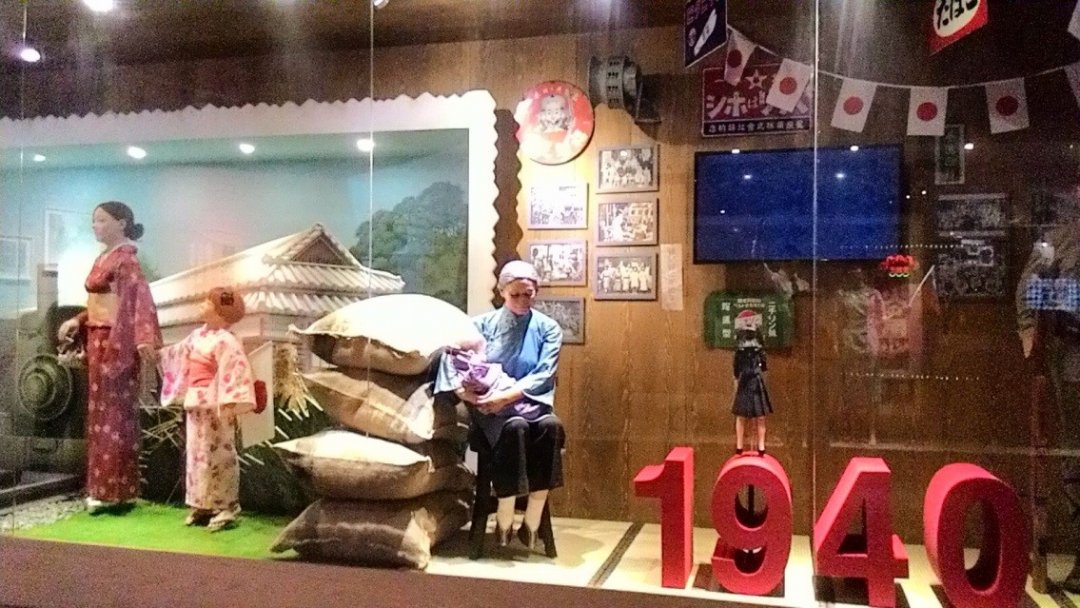
Japanese Occupation Period
In 1895, the first Sino Japanese War erupted, and Qing Dynasty was defeated by Japan. The Treaty of Shimonoseki was signed between China and Japan. Taiwan and the Penhu Islands were ceded by China to Japan as colony. The Japanese colonization brought significant changes in the Taiwanese society, thinking, and life style, all of which were reflected in its clothing culture.
In the early stage of the colonization, Japanese colonizer adopted the policy of appeasement due to its unstable governing power. The Japanese government used a ”slow weaning” strategy; however, the clothing style in Taiwan still followed the characteristics of the Qing that including the Western style, the Chinese style, and the mixing of the two.
In the Assimilation period, the Japanese government became more aggressive in the colonization and reformation in Taiwan. The most obvious impact on clothing was the popularity of the “new culture movement”.
During this period of time, the Japanese government adopted a compulsory and oppressive polity, the so-called “Kominka Policy” to force Taiwanese to become loyal subjects of Japan. In order to eliminate the Chinese influence, it demanded that Taiwanese should give up their traditional clothing and change their names into Japanese ones by rewarding them if they wore kimono or the Western suits.
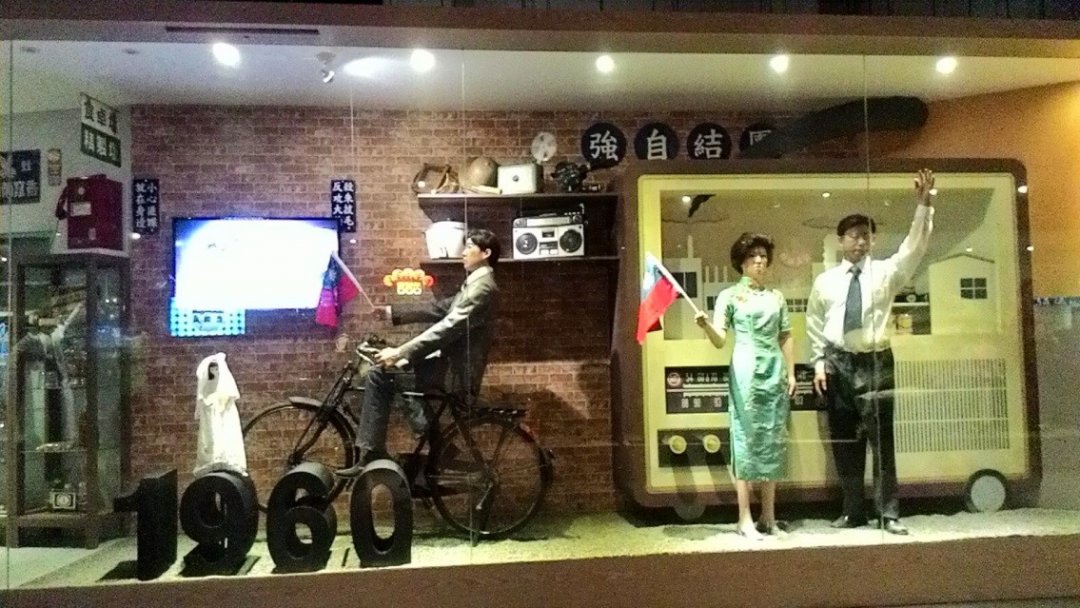
Taiwan Restoration
In the early stage of Taiwan Restoration, Taiwanese once again faced change of the ruler and a future full of possibilities. Despite inflation and economic recession, Taiwanese still welcomed the restoration with an expectation of returning the homeland. Later, with the Republic government, many people immigrated to Taiwan from China. This not only changed the population structure in Taiwan, but also influenced the development of the clothing fashion of Taiwan. Many Taiwanese women made or reformed their dress into cheongsams to show their support and recognition of the homeland, despite a serious shortage of materials. Different sewing works and materials also mark the differences between the Taiwanese cheongsams and the Chinese cheongsams. During this time, Western dresses and Chinese cheongsams were the main stream of the clothing fashion in Taiwan. Later, with the help and the investment from the United States, factories related to the livelihood were established. Taiwanese government also treated the textile industry as a major industry and encouraged the private development of the textile industry. This created a huge export business of the textile products and thus became one of the key factors of the Taiwanese economic boom.
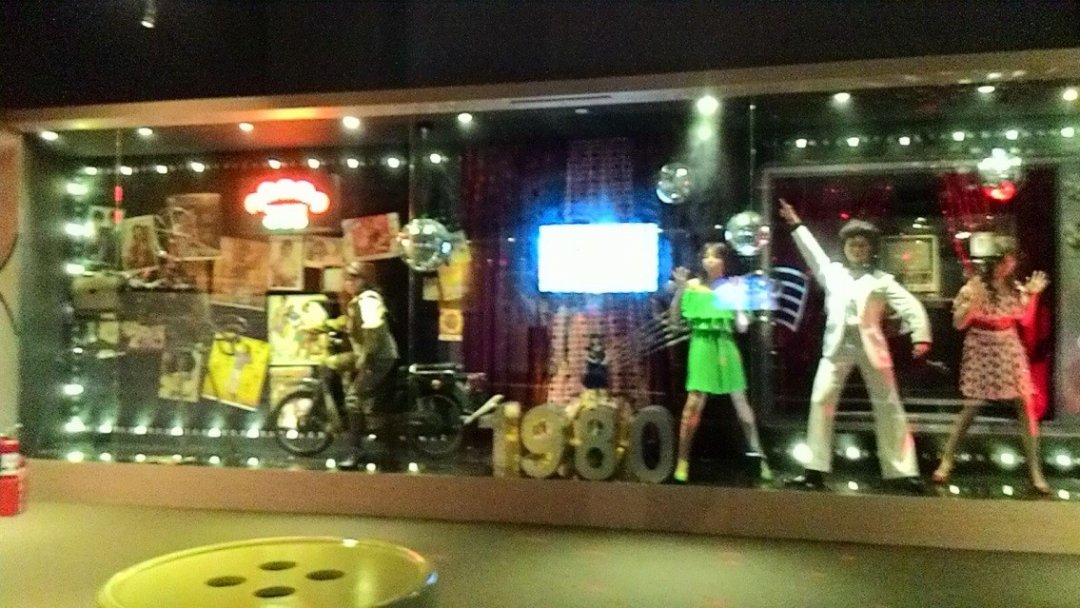
Exchanges Between The East And The West
In the 1960s, the national infrastructure and industrial development led Taiwan into a stable growth. The economic growth also increased the consumption value of Taiwanese consumers and their demands for clothing fashion. The boost of the domestic clothing industry also benefited the growth of the domestic clothing market.
The economic growth of the 60s increased the living standard in Taiwan. The establishment of the Taiwan Television Enterprise provided Taiwanese a visual channel for the visual information about the popular clothing fashion. The opening of Diyi (the First) Department Store in Taipei provided Taiwanese multiple options for clothing.
The Miss China Pageant held by Great China Evening News increases women’s awareness of the way they put up the makeup and dressed. It was around this time, the American popular culture gradually became very influential in Taiwan. The most fashionable way of dressing for women was wearing mini skirts and for men was growing long hair. It was not until the 80s, when the electronic industry became to grow, that the clothing industry must face a critical stage of transformation once more.
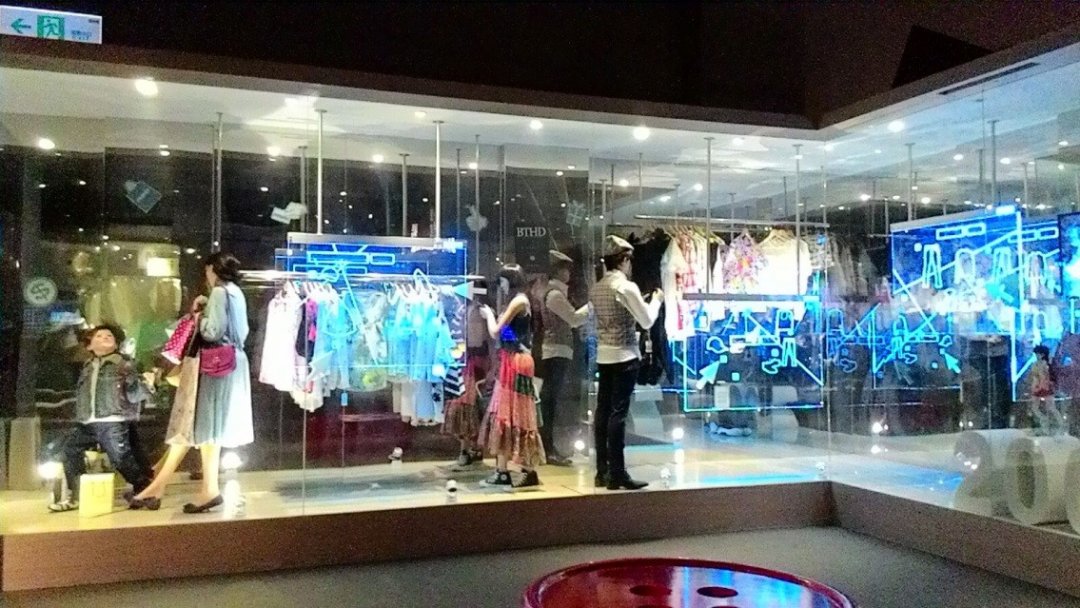
Trend of Fashion
Since 1990, the fast growing economics and information circulation enabled the clothing industry to connect to the global market, and many international brands extended their market in Taiwan. In the 21st century, the world is connected over the computer technologies and the internet. This also changes people’s consumption pattern and life style. Many own brands begin to rise through the internet, which offers consumers an immediate supply of an affordable clothing fashion. Today, clothes are not only a must in life, but also representations of personal tastes. The coming of the new technologies increases people’s demands on the materials of their clothes. It also opens a new page for the textile technology.
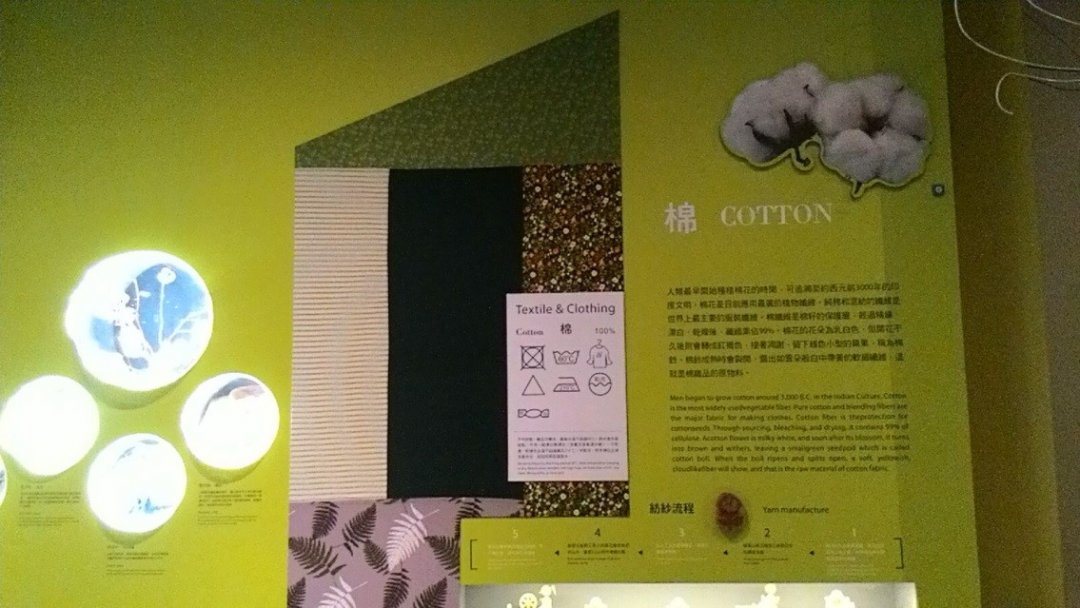
Cotton
Men began to grow cotton around 3,000 B.C. in the Indian Culture. Cotton is the most widely usedvegetable fiber. Pure cotton and blending fibers are the major fabric for making clothes. Cotton fiber is theprotection for cottonseeds. Through sourcing, bleaching, and drying, it contains 99% of cellulose. Acotton flower is milky white, and soon after its blossom, it turns into brown and withers, leaving a smallgreen seedpod which is called cotton boll. When the boll ripens and splits open, a soft, yellowish, cloudlikefiber will show, and that is the raw material of cotton fabric.
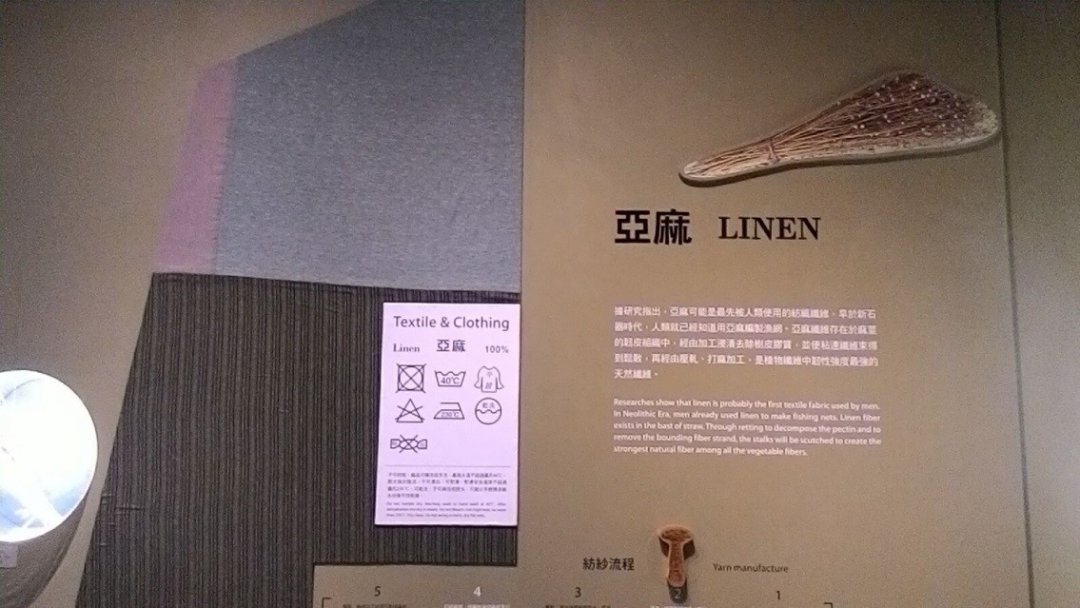
linen
Researches show that linen is probably the first textile fabric used by men. In Neolithic Era, men already used linen to make fishing nets. Linen fiber exists in the bast of straw. Through retting to decompose the pectin and to remove the bounding fiber strand, the stalks will be scutched to create the strongest natural fiber among all the vegetable fibers.
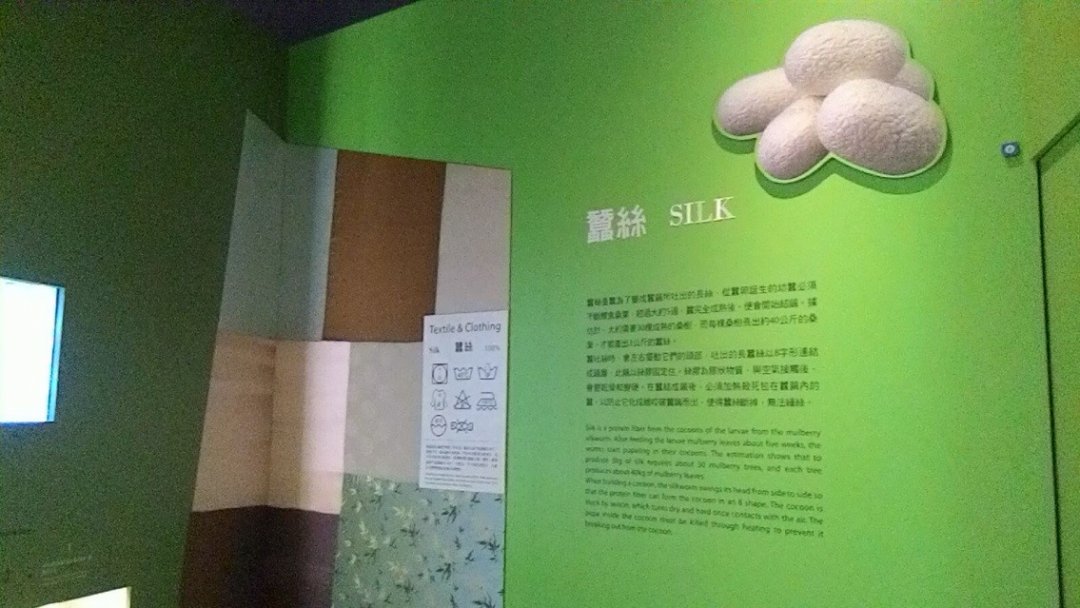
Silk
Silk is a protein fiber from the cocoons of the larvae from the mulberry silkworm. After feeding the larvae mulberry leaves about five weeks, the worms start pupating in their cocoons. The estimation shows that to produce 3kg of silk requires about 30 mulberry trees, and each tree produces about 40kg of mulberry leaves.
When building a cocoon, the silkworm swings its head from side to side so that the protein fiber can form the cocoon in an 8 shape. The cocoon is stuck by sericin, which turns dry and hard once contacts with the air. The pupa inside the cocoon must be killed through heating to prevent it breaking out from the cocoon.
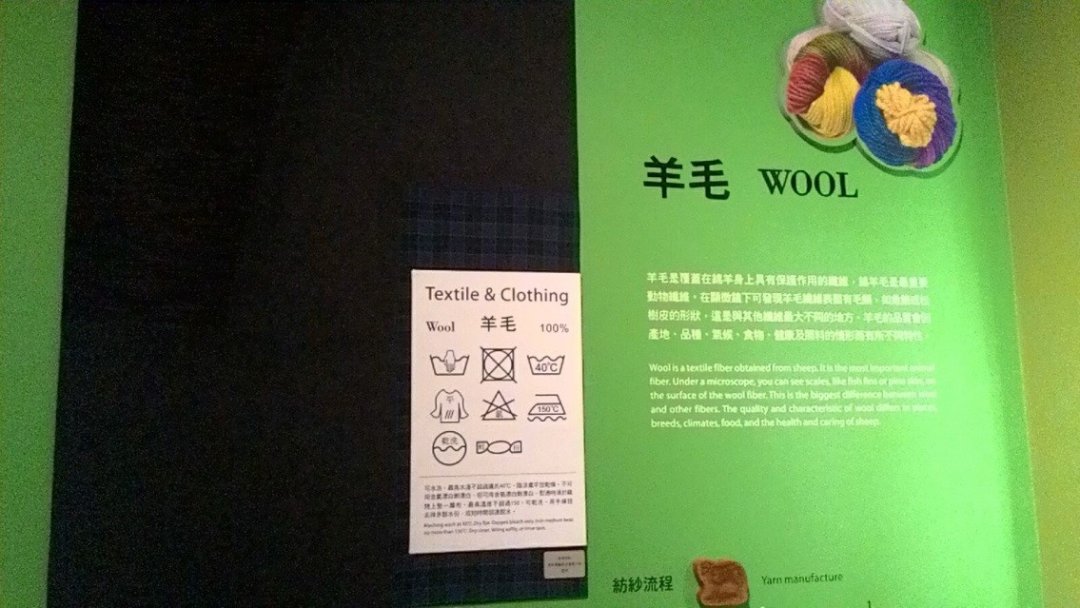
Wool
Wool is a textile fiber obtained from sheep. It is the most important animal fiber. Under a microscope, you can see scales, like fish fins or pine skin, on the surface of the wool fiber. This is the biggest difference between wool and other fibers. The quality and characteristic of wool differs in places, breeds, climates, food, and the health and caring of sheep.
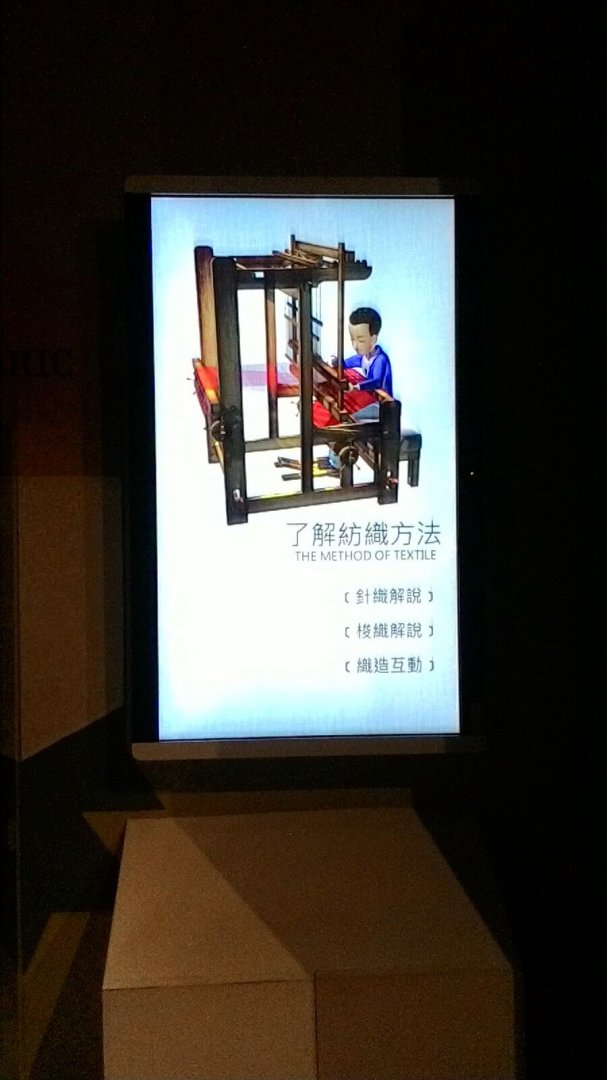
The secret of fabrics
Yarn is the basic material for fabrics. We can determine the features of yarn according to the characteristics of fibers and the ways it is spun. The features of yarn and how it is woven later on decide the features of the fabrics. Normally, fabrics can be categorized into textile products, aggregated products, and composite products. The types of fabrics will influence the texture, function, and even ways of cleaning and preservation of the clothing.
Generally speaking, woven fabrics, knitted fabrics are textile products; felt or non-woven cloths are aggregated products; artificial leather and processed cloths belong to composite products. Most people usually wear textile products.
“Woven products” are wrapped. Commonly used for uniforms, suits, and shirts; the textiles are harder, less elastic and will not deform easily.
“Knitted products” are looped. Usually used for sportswear and underwear; the textiles are softer, elastic and will deform easily.
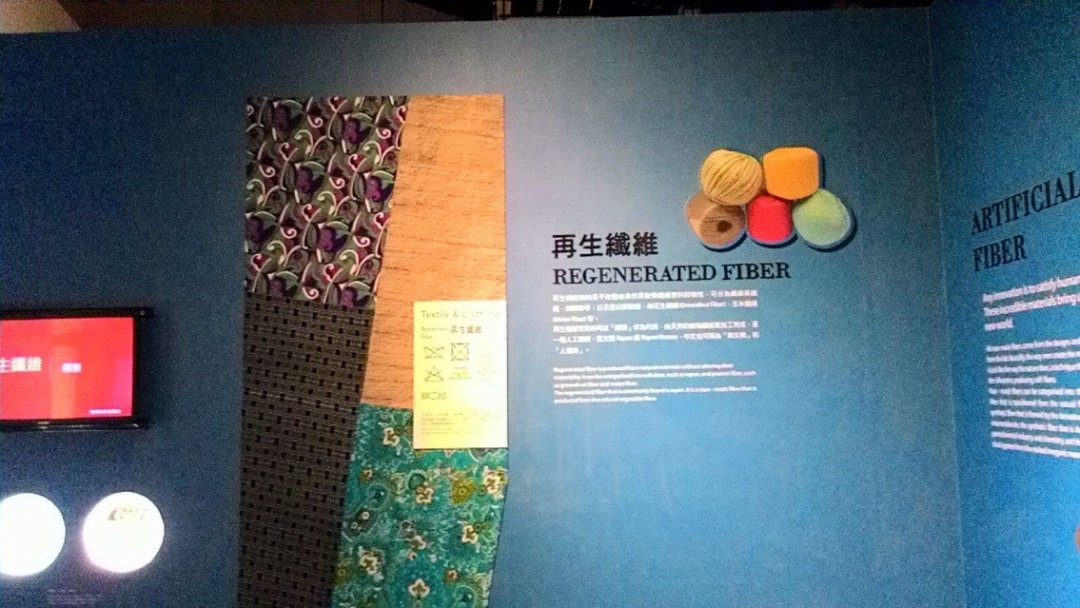
Regenerated Fiber
Regenerated fiber is produced from natural materials without altering their materiality. It can be categorised into cellulose, such as rayon, and protein fiber, such as groundnut fiber and maize fiber.
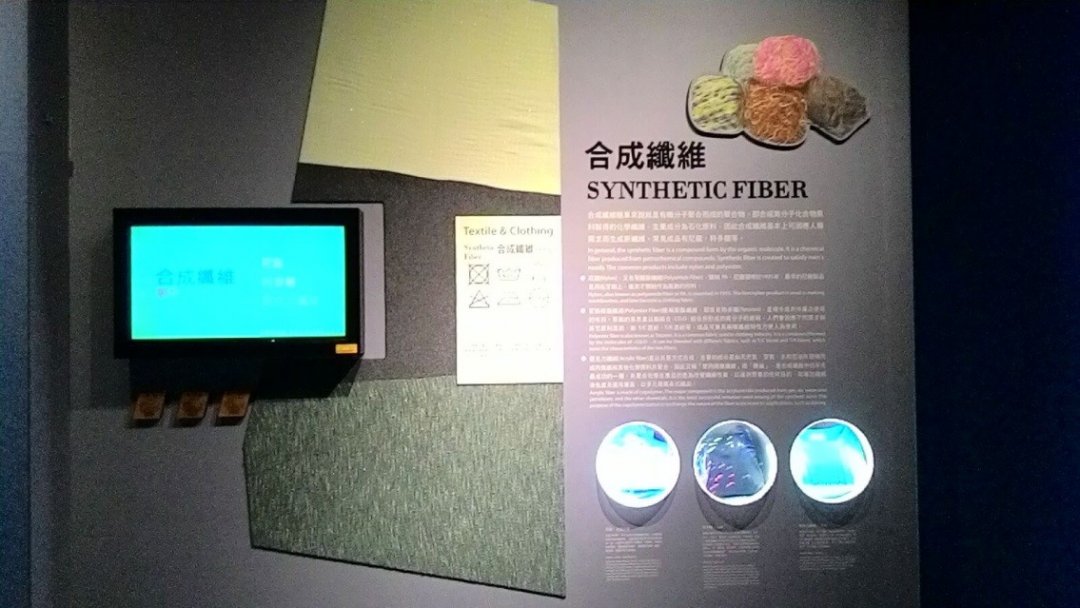
Synthetic Fiber
In general, the synthetic fiber is a compound form by the organic molecule. It is a chemical fiberproduced from petrochemical compounds. Synthetic fiber is created to satisfy men’s needs. Thecommon products include nylon and polyester.
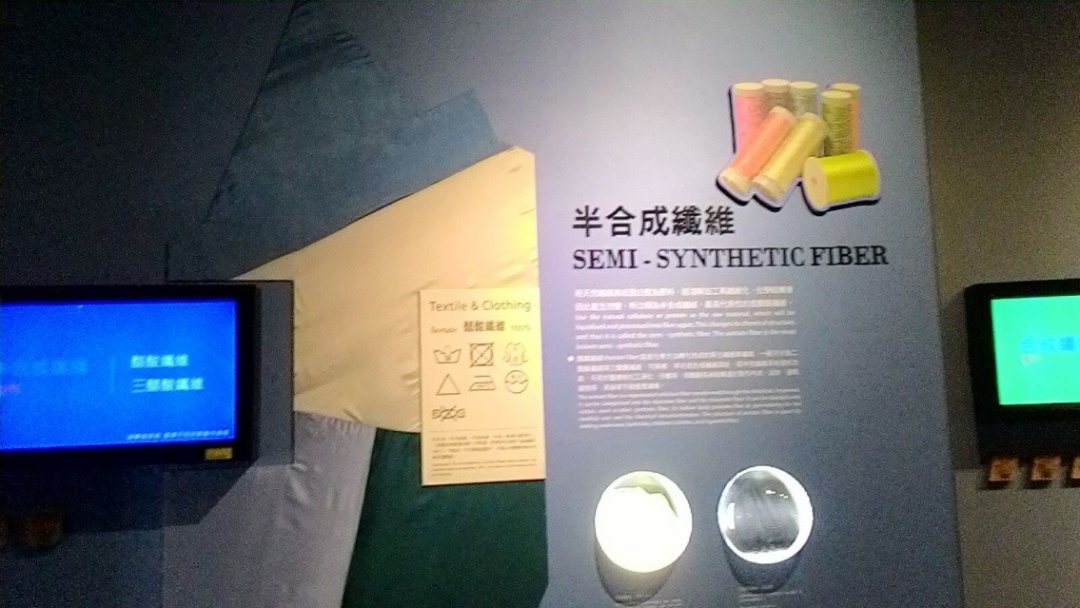
Semi_synthetic Fiber
Use the natural cellulose or protein as the raw material, which will be liquidised and processed into fiber again. This changes its chemical structure, and thus it is called the semi-synthetic fiber. The acetate fiber is the most known semi-synthetic fiber.
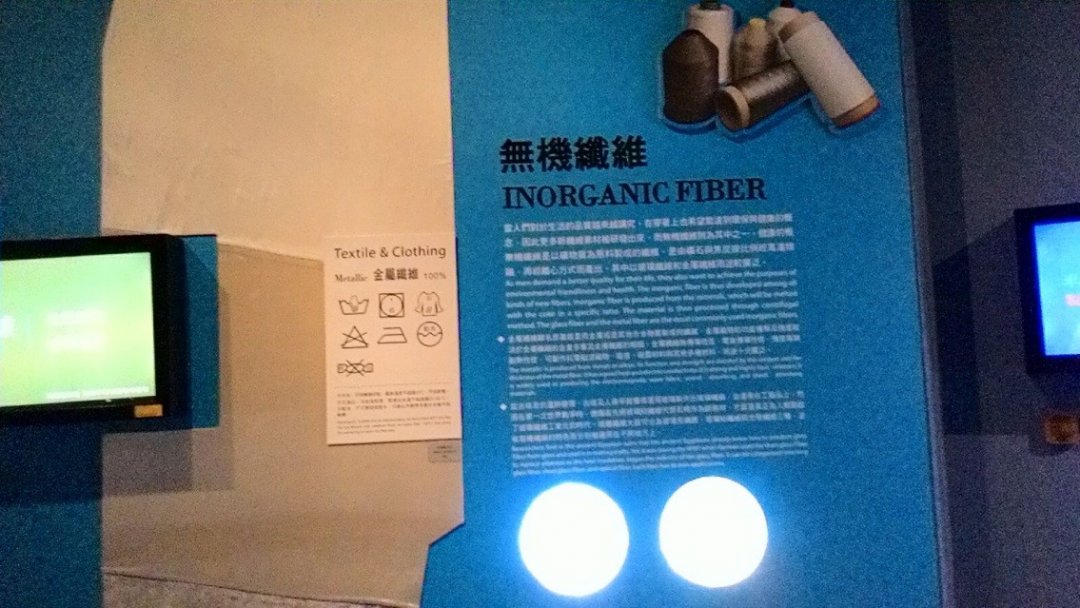
Inorganic Fiber
As men demand a better quality for their life, they also want to achieve the purposes of environmental friendliness and health. The inorganic fiber is thus developed among all kinds of new fibers. Inorganic fiber is produced from the minerals, which will be melted with the coke in a specific ratio. The material is then processed through centrifugal method. The glass fiber and the metal fiber are the most commonly used inorganic fibers.
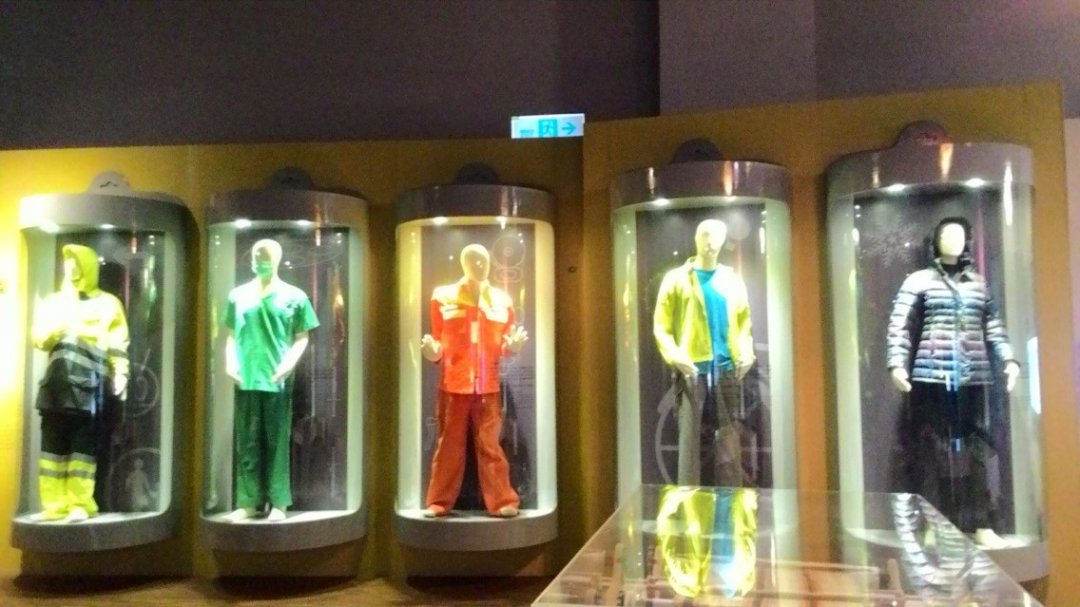
Amazing Styles
Clothing has become a must in our daily life. Men develop different kinds of clothes with different functions, styles, and features due to the professional, recreational, and aesthetic needs.
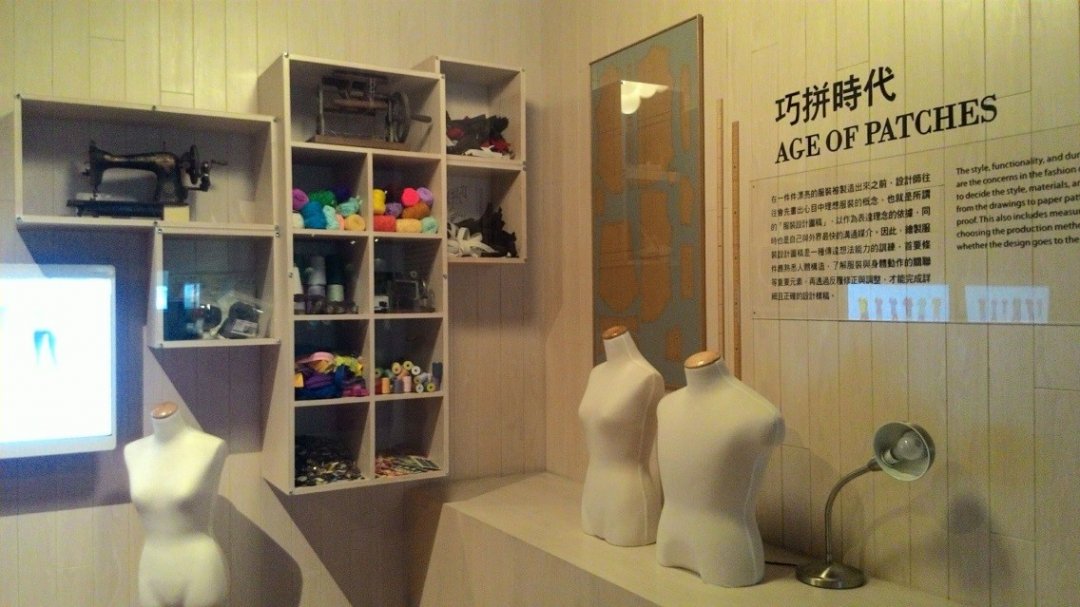
Age of Patches
a. Fashion design
The style, functionality, and durability of a piece of cloth are the concerns in the fashion design. The first step is to decide the style, materials, and colours. It then moves from the drawings to paper pattern making, and then proof. This also includes measurement, tailoring, sewing, choosing the production method, and finally the decision whether the design goes to the real production.
b.Measurements
The measurements of the clothes design is adjusted based on the body shapes of different ethnic groups and on the styles of the clothes. The basic measurements include bust, waist, and hip (BWH). Other important measurements are the length of sleeves, the length of shirt itself, the length of trousers, and the width of shoulder.
c.Paper pattern making
The paper pattern making is based on the style and the measurements from the drawing. There are several ways of making paper pattern, including draping on a mannequin, making cardboard template, and using computer software. This step will calculate how much clothes is going to be used, how it is cut and sewn. This gives the manufacturer more information about the design.
d.Proof
Based on the drawing and the paper pattern making, a sample will be made, so that the designer can see the details or the problems that do not show in the drawing, and finally proves the design.
e.Cutting
Cutting usually influences the final result of the clothes. First, cut the required amount of the clothes, and cut the pieces out based on the design. There are the front pieces, the back pieces, and sleeves. Different designs may require different parts of pieces as well.
f.Sewing pieces
Different kinds of clothes have different shapes and numbers of pieces. Based on different materials and styles, there are different methods of sewing, such as French seam, overedging, decorative stitching, and three-folds sewing. The thread used also depends on the materials and the methods.
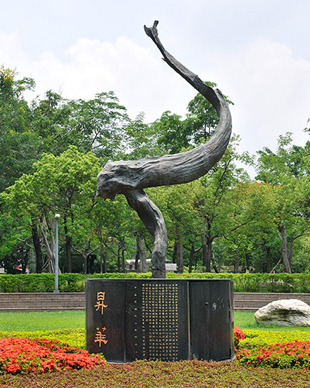
Sublimation
Sublimation is a work by master astrological sculptor Pai Tsang-Yi. The sculpture uses a technique which reshapes dead tree branches with copper or coloured glaze(琉璃) to bring a new life to the beauty of the nature. The original wooden sculpture is collected by the Victoria and Albert Museum in the UK. The work is filled with concepts regarding environmental protection, art, and science, and symbolizes the hardworking and determined nature of Taiwanese people.
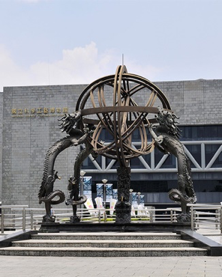
Armillary Sphere
The Armillary Sphere is an instrument used for astrology in ancient China. It is mainly made up of three layers of circling loops, the Sphere of the Six Cardinal Points, Sphere of the Three Stellar Objects, and Sphere of the Four Movements. We could briefly say that the Armillary Sphere is a telescope that was made according to the fundamental theory of sphere-heavens. It is estimated to appear around the fourth century B.C., which is about the mid-era of Warring States (475-221BC) periods in Eastern Zhou (770-221 BC), that ancient scientists used it observe astrology. The unique connected structure also implies the connectedness of scientific knowledge.
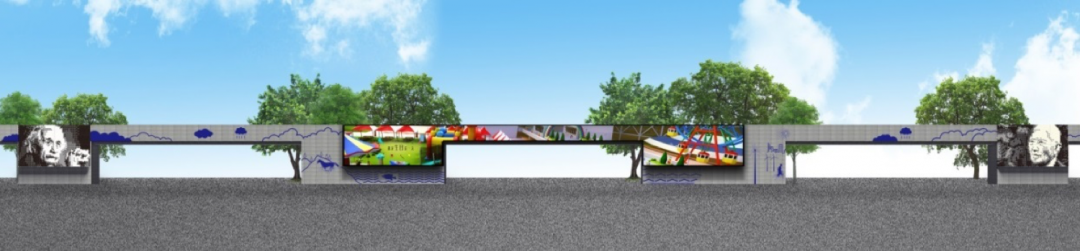
Solar Art
The solar art on the outdoor archway of National Science and Technology Museum pays divide the portraits of four Chinese and foreign scientists such as Marie Curie, Li Guoding, Einstein and Zhang Heng into the smallest unit of pixels by the method of calculus. There are different heights of small iron plates at a large iron plate. The use of on-site sunlight gives rise to a change between light and shade, and the overlap of shades allows scientists to visualize it as a device art that combines art with physical science.
In the morning, there will be the faces of Madame Curie and Li Guoding. In the afternoon there will be the appearance of Einstein and Zhang Heng. The secret is because the angle of the sun changes and there you can see two totally different portraits on the same wall.
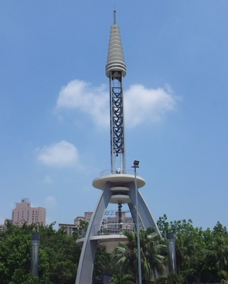
The Tower of Hope
The overall form is inspired with the merge of the bow and arrow and spinning shuttle, referring to “the fleeting of time”. The top part of the tower is designed with elements that remind viewers of a Chinese pagoda. From top to bottom, the exterior is separated into four layers: light, sound, color, and water, each representing a different aspect of time. The most special feature is the water clock at the bottom. The clock is designed by French physicist Bernard Gitton, and has both scientific and artistic elements. The water clock has mechanical precision. Although the flow rate of the fluid changes, is clock is still capable of calculating time through the swinging of the pendulum. The fluid of the design has dual roles; it maintains the swing of the pendulum while displaying the hours and minutes.
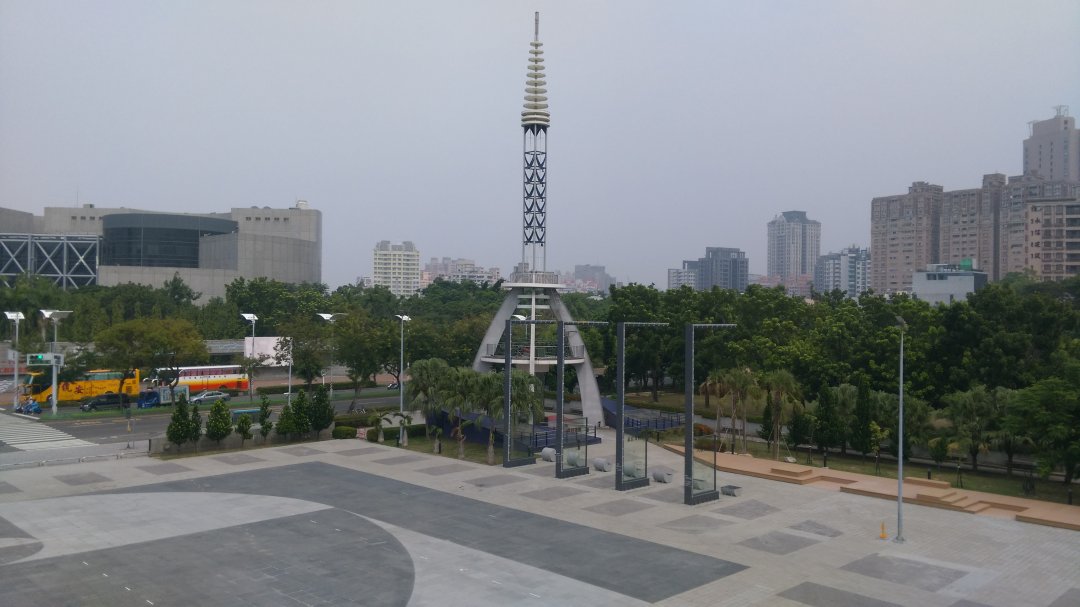
Measurement Plaza
The relationship between "man" and " the system of measurements" is also more and more diversified from time to time. In view of the importance of weights and measures, National Science and Technology Museum built an outdoor plaza for educational and leisure purposes, and adopt the relationship between "people" and "measurement" as the core concept, extending the six themes of the exhibition, namely the beginning of the scale, human scale, human scale, the best standard, measurement of eco-life and the collection of measures Wait. Our hope for every visitor is to obtain all kinds of measurement-related knowledge through outdoor activities, and learn about the essential connection between humans and the system of measurements through profound experience.