Niyaro no KIWIT 奇美部落
傳統家屋Traditional Dwelling
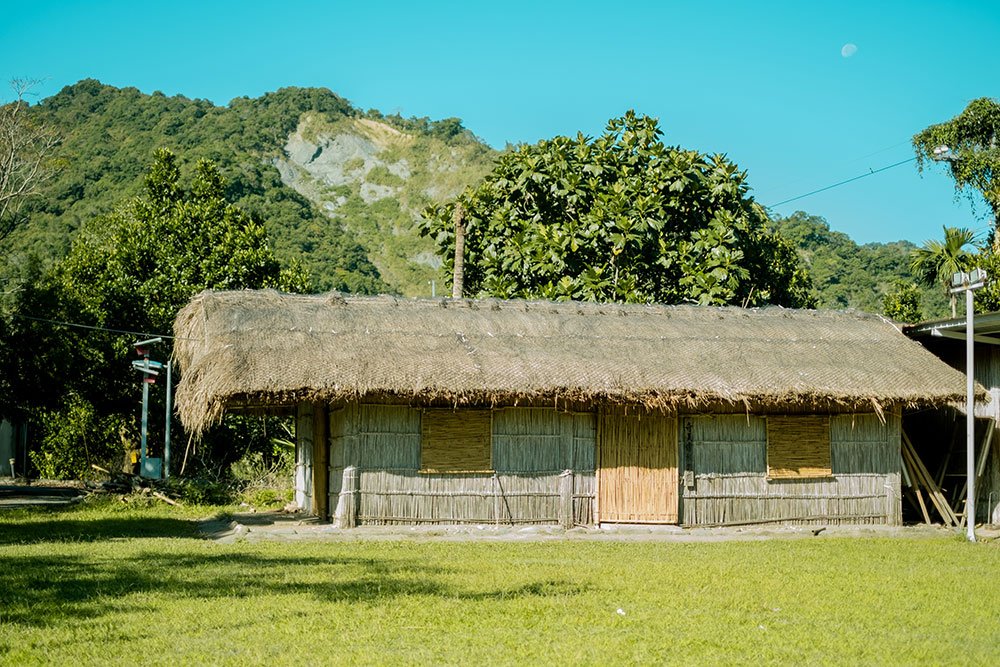
Traditionally, Amis homes were built using wood, bamboo, rattan and thatch. The beams were made from wood, the roof from bamboo and thatch, and the floor from rattan. Amis traditional dwellings were relatively long, approximately two meters. There were one main door and two side doors, and only a hearth and a storeroom. In addition to keeping warm, the hearth provided light for elders to work. It also produced smoke, which prevented insect damage. A rack above the hearth was used for drying and storing of grain.
阿美族的傳統家屋主要以櫸木、竹子、黃藤、茅草作為建材。櫸木當樑柱;竹子、茅草搭建屋頂;黃藤鋪設地板,房子的墻壁有兩個夾層,中間夾有茅草,增加禦寒作用。傳統家屋結構一般較長,約兩公尺左右,會有一道正門和兩道側門。屋內通常就只設有火炕和儲藏室。火炕除了能取暖,也讓長輩們能夠就著火光繼續工作,但最主要的作用是用來燻房子。因為傳統家屋的建材都是自然植物,因此需要定期以煙燻烤,預防蟲蛀。火炕的上方會有一個置物架,從前割了稻穀,家中沒有穀倉的人就會把稻穀放在這裡。有時收割以後想吃米,來不及曬乾也會將稻穀放在這裡烘乾,節省晾曬的時間。
男人廚房Safutin’an (Men’s Kitchen)
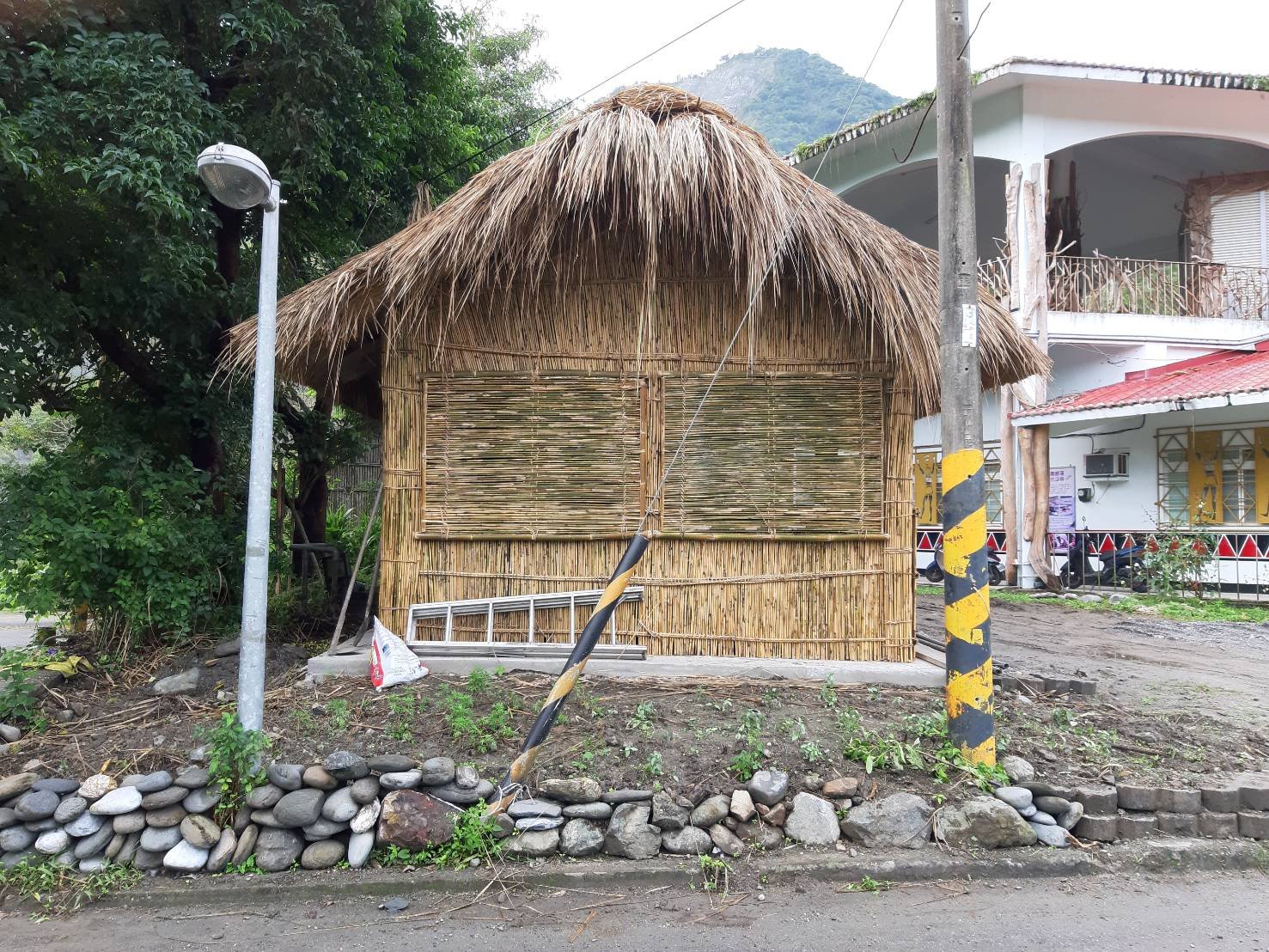
Traditionally in the Kiwit community, every household has two kitchens: one for daily cooking and another known as the Safutin’an (Men’s Kitchen). In the Amis language, "futin" means "fish," and Safutin’an literally refers to a place specifically for cooking fish. This kitchen is exclusively for men to handle and prepare the fish they catch, while women are only responsible for eating. Fish holds a special significance in Amis society, as many rituals conducted at the end of events require fish. In the days before refrigeration, any fish caught on the same day had to be consumed that day; failing to do so was considered taboo and could result in misfortune for the household. Therefore, sometimes at ten or eleven at night, elders would wake up the entire family to finish eating the fish in the Safutin’an before they could go to sleep. The Safutin’an reflects the taboos of fishing, social structures, and the considerate gestures of men towards women in a matriarchal society.
The Safutin’an not only handles fish but also processes game, making it a sacred and taboo place. Generally, after men catch fish or game, they are responsible for handling everything from head to toe, including slaughtering, bleeding, skinning, cutting, and cooking. The hunting tools in the Safutin’an are not to be touched by women, as doing so is considered bad luck and is a taboo. Besides being for family consumption, fish and game must also be shared with other elders and relatives in the tribe. Portions (such as liver, heart, head, and tail) are distributed according to kinship, and how to allocate these is an important cultural knowledge that men must learn.
傳統在奇美部落,每個家裡都有兩個廚房,一個是一般煮三餐的廚房,另外一個是Safutin’an男人的廚房。在阿美語裡futin是「魚」的意思,Safutin’an顧名思義是專門煮魚的地方,是僅能由男人來動手處理和烹煮男人漁獵成果的廚房,女人只要負責吃就好了。魚,在阿美族的社會當中是相當特殊的食物,許多事情結束時舉辦的儀式都需要魚。在以往沒有冰箱的年代,每個家裡當天抓的魚當天一定要吃完,沒有吃完是犯禁忌,家裡恐怕會有不祥的事情發生。所以,有時候晚上十點、十一點,家中長輩會將已經休息的全家人通通叫醒,到Safutin’an將魚吃完,才可以睡覺。Safutin’an男人廚房,展現男子漁獵禁忌與社會制度,以及母系社會中男人慰勞女人的體貼。
Safutin’an除了處理魚,也處理獵物,這是神聖及具有禁忌的地方。一般男性捕獲漁獵後,要負責從頭到腳自行處理,從宰殺、放血、除毛、去皮、切割、烹煮等都是男人自行處理。男人廚房中的獵具,女性不能觸碰,否則運氣會不好,這是禁忌。魚跟獵物除了給家人享用外,還要分給部落的其他長輩和親戚朋友,按照輩分分配部位(例如肝、心、頭、尾)及份量,如何分配也是男性要學習的重要文化知識。
日治時期派出所
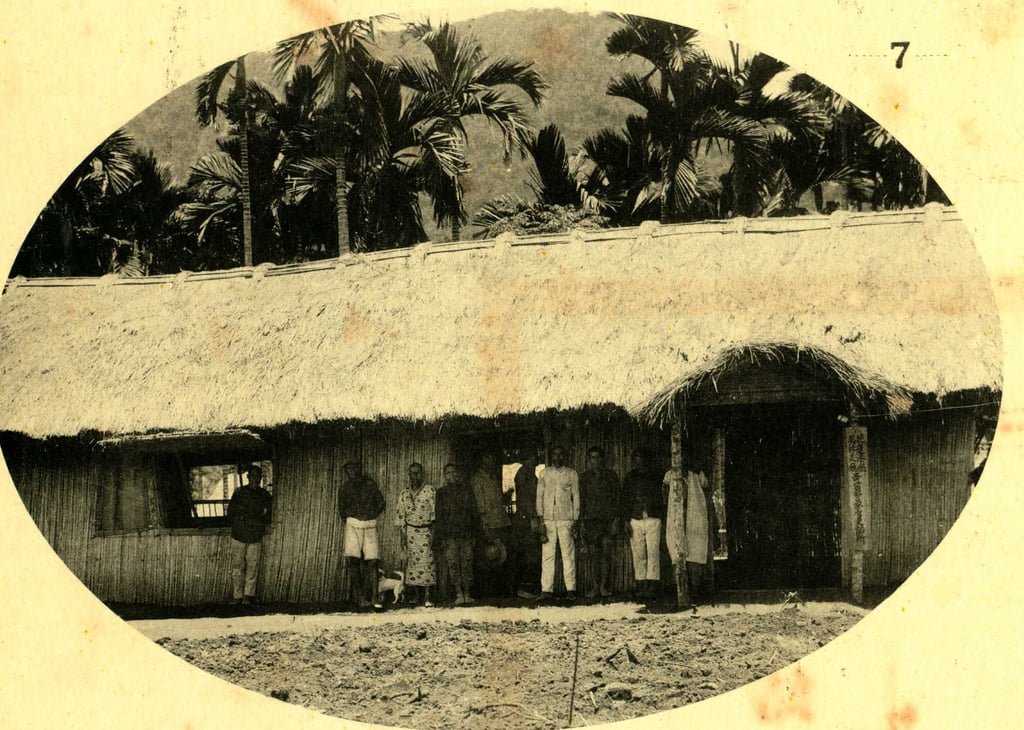
The Kiwit community is the only Amis settlement located in the mountainous area after the Xiuguluan River enters the Coastal Mountain Range. At that time, the Kiwit community had about 400 people, and since it was the only settlement along the Xiuguluan River's waterway and land route, various facilities such as a police station, public school, and shrine were established there. During the Japanese colonial period, the police station served as the central governing authority in the community, overseeing economic, political, and educational matters. In 1937, due to the inconvenience of water access, the settlement was relocated twice before finally being established next to the Chunghwa Telecom building.
奇美部落是秀姑巒溪在進入海岸山脈後,唯一地處山區的阿美族聚落。當時奇密社大約有四百人,加上該社為秀姑巒溪水路與陸路唯一的聚落,因在此設立警察官吏派出所、公學校、神社等。日治時期的派出所為當時部落裡的統治中樞,經濟、政治、教育等一手包辦,民國26年當時因為取水不方便只有兩處可取水曾遷移過,後來就定位在中華電信旁邊。
原山奇美橋 Yuanshan Qimei Bridge
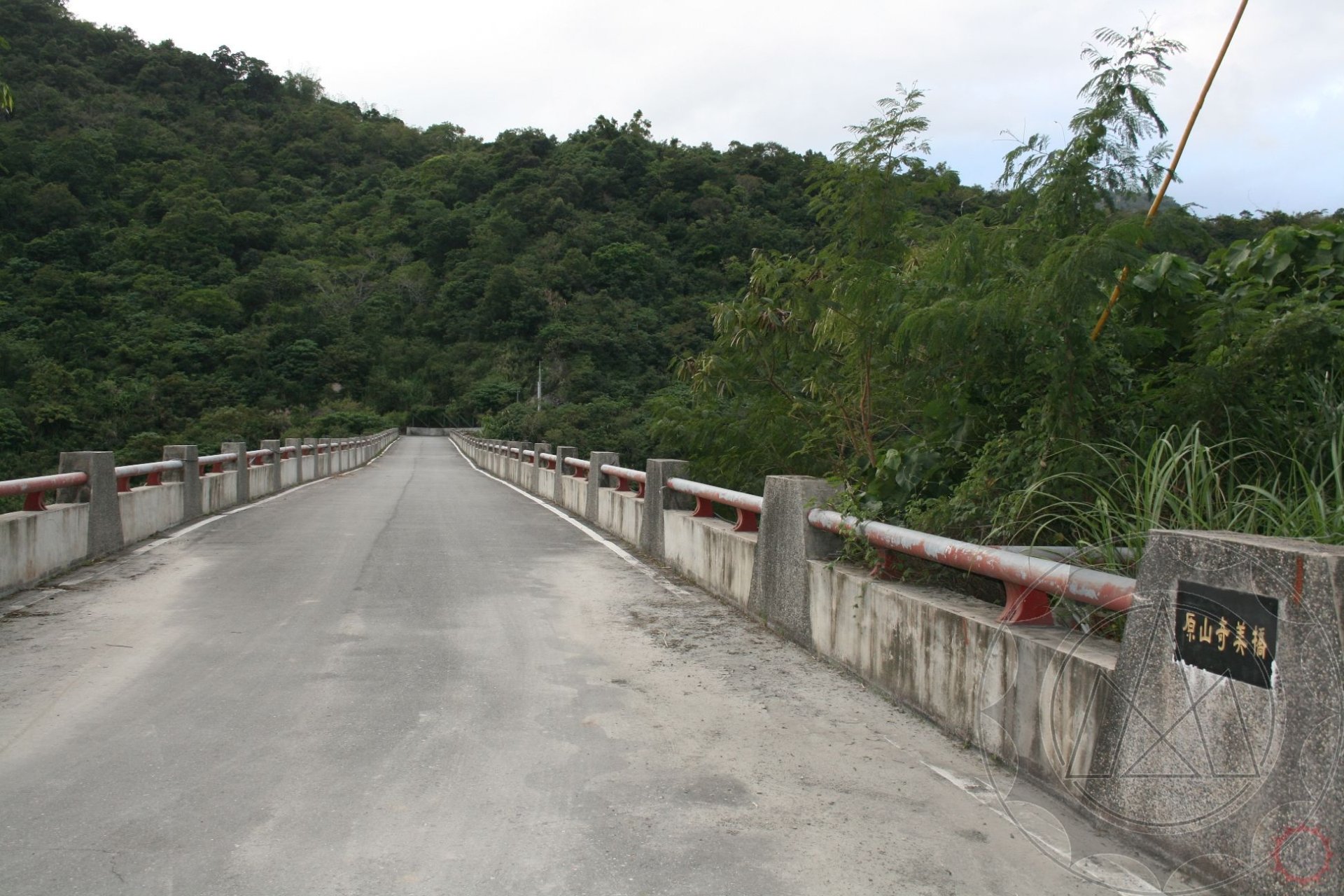
The Yuanshan Qimei Bridge is a vital transportation route for the Kiwit community members traveling between the village and the Taluwale' farming area. In the early days, there were no bridges, and people relied on bamboo rafts or swimming to cross the river. The suspension bridge seen on the ancient path today, known as the Qimei Suspension Bridge, was built in 1989. It was later damaged by a typhoon, leading to the construction of the current concrete Yuanshan Qimei Bridge. Across from it, the Taluwale' farming area spans approximately 30 hectares and is cultivated by nearly 20 households, making it one of the tribe's important agricultural zones. This bridge is also the only route for transporting crops to the outside.
Before the Yuanshan Qimei Bridge was built, there was only a small bridge here. People usually crossed the river on foot or by bamboo raft. As bamboo rafts were not easy to build, they were a treasured resource of every family. In the Kiwit community, there were two sizes of bamboo raft, large and small. The small bamboo raft was only for carrying light loads, not people. A man would swim alongside the raft using one arm and driving the raft forward with the other arm. Therefore, in the Kiwit community, males who could not swim with just one arm, were considered not to be able to swim at all.
原山奇美橋是奇美部落族人往返部落與Taluwale'耕作區的交通要道,早期沒有橋梁通行,往來交通要靠竹筏或者游泳過去,現在看到的古道上的吊橋,是在1989年建設的奇美吊橋,後來因為颱風天而損壞,才有了現在水泥橋的原山奇美橋。對面的Taluwale''耕作區,種植面積約有30公頃,有將近20戶家庭耕種,是部落其中一個重要經濟耕作區,而該橋梁也是運輸農作物的唯一對外道路。
過去原山奇美橋還未建好之前,這裡只有一條小橋。但人們一般要過河也不會特別跑到橋這兒來,都會直接用涉水或竹筏的方式渡河。因為竹筏製作不易,因此是每個家庭珍貴的資產。在奇美,竹筏分為大、小兩種,小竹筏並不供人乘坐,而是在渡河的時候放置物品所用。男人在渡河的時候會在竹筏旁,邊游泳邊駕駛竹筏,另一個人會在竹筏的後方推,把竹筏當浮板一般使用,邊推邊前進渡河。如果沒有帶太多東西在身上時,人們甚至會懶得用竹筏渡河,會用一隻手將衣物高舉起來,另一隻手單手划水前進。所以在奇美人們說會游泳都是指「單手游泳」,若是不會「單手游泳」則不算是會游泳。
男子集會所 Men's Meeting Hall
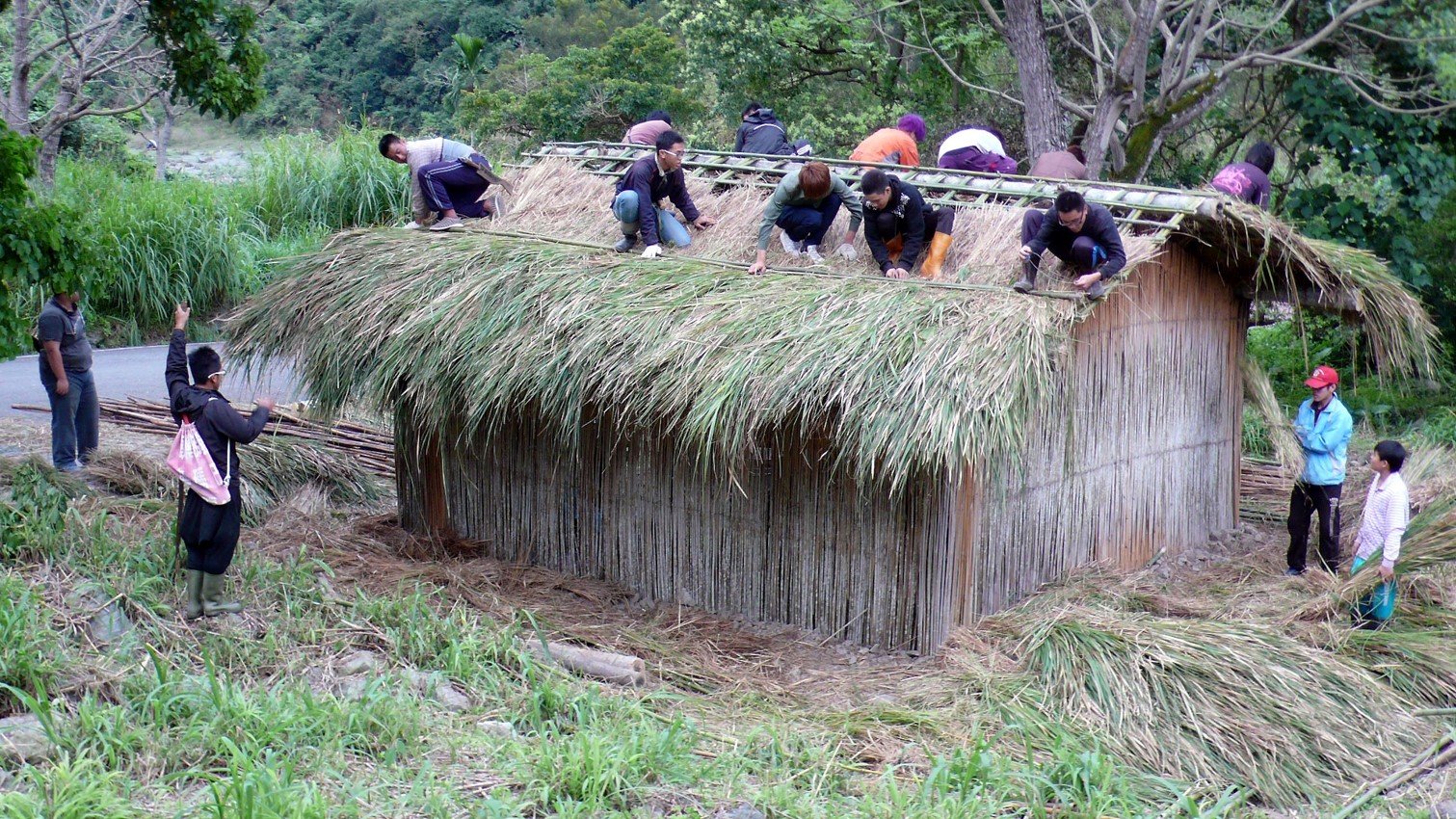
In traditional tribal systems, there is a complete division of responsibilities based on age, with every three years forming a new age set. Starting around the age of 13, individuals join the age-set system. Men from the first age set (ages 13-15) to the fourth age set (ages 23-26) are considered young and strong, and if war or enemy invasion occurs, they can quickly protect the people in the community. They must always be on standby, so they live and stay in the community. During other times, they train younger individuals in the meeting hall, and when the community has harvests, they are asked to help. The establishment of the meeting hall serves to assist with various tribal affairs, and lookout towers may also be built for better mutual protection. Currently, the meeting hall has evolved to be a place where young people hold meetings or learn. The content of their learning primarily revolves around respecting the elderly and the wise, the transmission of experiences related to tribal affairs, and discussing public matters. A prevailing taboo in the meeting hall is that females are not allowed to enter.
在傳統的部落制度裡,有著完整的依照年齡的分工,每3年為一個階級,從13歲左右開始,加入這個制度,而從第一階(13-15歲)到第四階(23-26歲)的男人因為年輕力壯,假如發生戰爭或是敵人入侵可以第一時間保護到村莊裡面的人,而他們要隨時待命所以會在裡面休息,其餘時間會在集會所裡面訓練年輕人,而部落收成也會請他們幫忙,所以成立這個集會所就是協助各種部落的事務,甚至會搭建瞭望台能夠更好的守望相助。目前延伸到現在,集會所就是讓年輕人在裡面開會或者是在裡面學習,學習的內容不外乎就是如何敬老尊賢不隨便,部落事物的經驗傳承與討論公共事物等。集會所目前保有的禁忌就是女生不得入內。
秀姑巒溪 Xiuguluan River
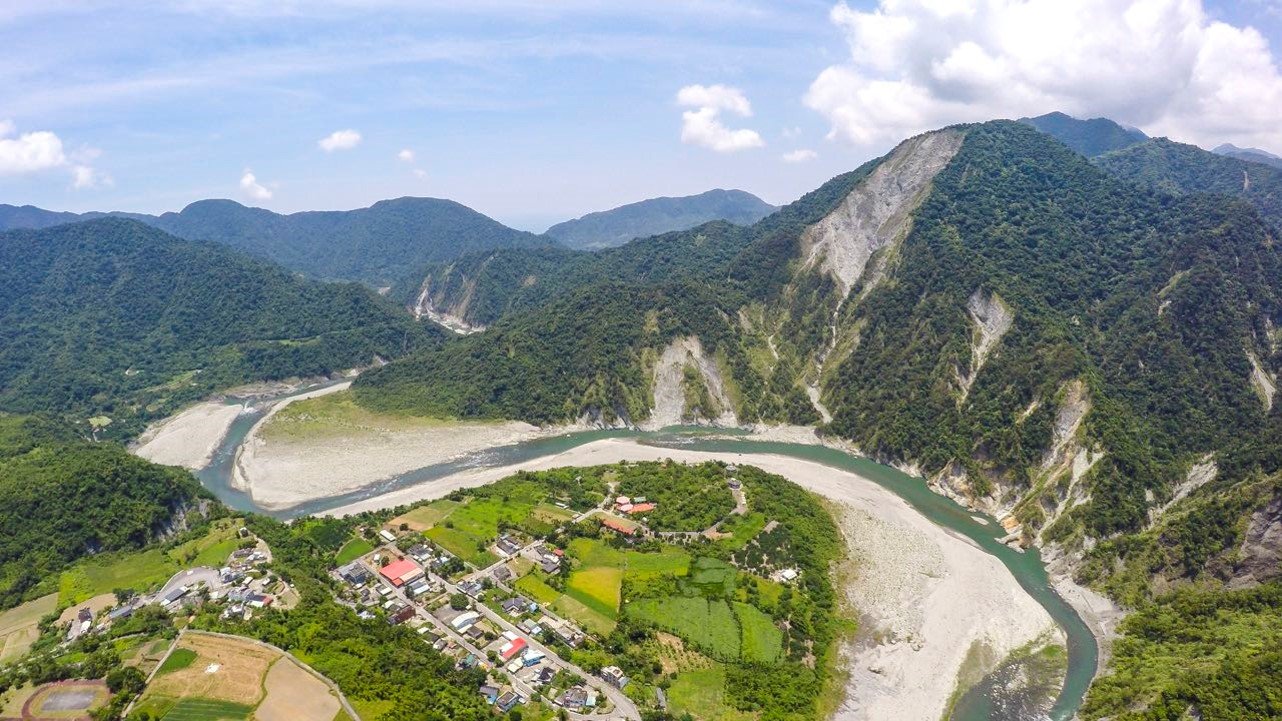
The Xiuguluan River originates on Xiuguluan Mountain in the Central Mountain Range. Over a long period of time and through natural collapes and erosion it has been transformed from a small stream to a major river. There are many rocks and pebbles along Kiwit Beach. Amis people used to call the Xiuguluan River Tawalaw or Aru. Tawalaw means river whereas Aru means stream in the Amis language.
秀姑巒溪發源自中央山脈裡的秀姑巒山,原本只是一條小野溪,後來經過長期的自然現象的改造,包括崩塌、河流長期切割等地形變動才成為如今的面貌。奇美河灘是秀姑巒溪從瑞穗到海岸山脈之間以曲流型態繞行的最後河段。奇美河灘是秀姑巒溪彎曲河道的沉積坡,因此在河灘上有許多鵝卵石堆積。在被叫做「秀姑巒溪」以前,阿美族人把它叫做「Tawalaw」或是「Aru」。Tawalao 是河的意思;而Aru 是溪的意思。
奇美國小Qimei Elementary School
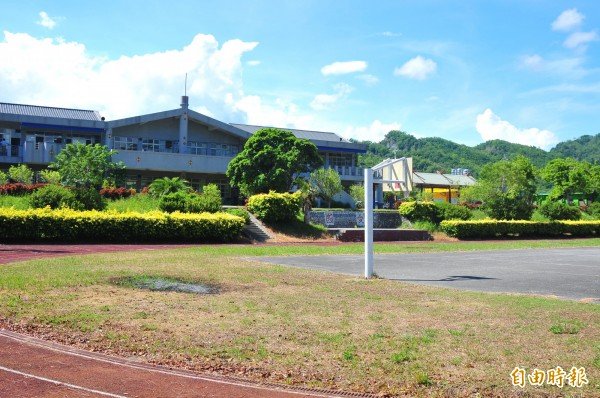
Long before the Qimei Elementary School was established, there was already a school here. During the Japanese occupation era, which was 1895 to 1945, the classrooms were built using thatch. Later, they were rebuilt using brick and finally cement. People who are now in their thirties or forties experienced the reconstruction of Qimei Elementary School. Before a road was built into this community, the Xiuguluan River was used for transportation. Building materials were transported by wooden boat and students helped carry cement bags from the river to the school.
奇美國小這個地方從很久以前就蓋起了學校。日據時代時,學校的教室是以茅草搭建而成,後來改為磚瓦教室,最後才是水泥建築。現在三四十歲一輩的部落族人在上學期間都經歷、參與過學校建造的過程。早期建造新校舍時,道路還沒有開通,部落的對外交通仍以秀姑巒溪為主。當時族人用木船將建築的材料運到部落中,學生們則必須將水泥挑到學校這裡,過程相當辛苦。