【English】Enter the ancient city of Malacca
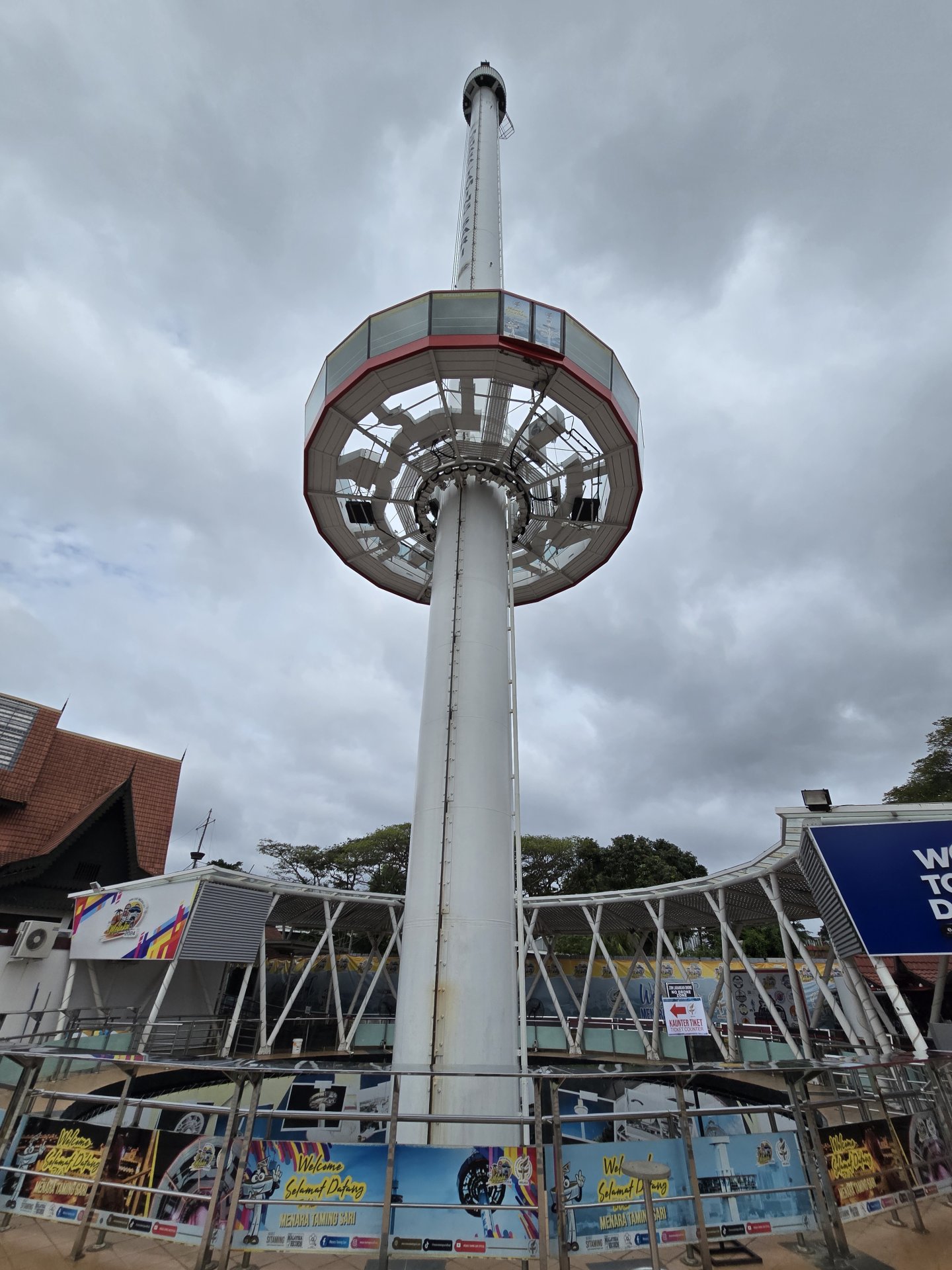
Malacca Tower & Melaka Historical Vehicle Park
Malacca Tower is one of the modern landmarks in Malacca, Malaysia. This rotating observation tower offers visitors a unique experience of overlooking the ancient city while perfectly blending tradition with modernity, adding a touch of contemporary technology to this historic locale.
Background of Malacca Tower:
Constructed in 2008, Malacca Tower is named after the legendary kris (dagger) Taming Sari, wielded by the Malay Peninsula's mythical figure Hang Tuah. The Taming Sari is said to possess magical powers and is deeply intertwined with the history of the Malacca Sultanate. Therefore, this observation tower symbolizes modern Malacca and pays homage to the rich history and traditions of Malay culture.
Design and Functionality:
Malacca Tower stands at a height of 110 meters, making it one of the tallest buildings in Malacca. The structure is made of steel and glass, featuring an observation cabin that can accommodate approximately 80 visitors.
Rotating Observation Experience:
- The observation cabin ascends slowly while rotating 360 degrees, providing visitors with unobstructed views.
- At its peak, visitors can gaze over the entire Malacca cityscape, including iconic sites such as A Famosa Fort, St. Paul’s Hill, the Malacca Strait, and the Malacca River.
Nighttime Light Show:
- At night, Malacca Tower is illuminated with dazzling lights that blend seamlessly with Malacca's night scenery, offering another layer of visual enjoyment for visitors.
Safety and Comfort:
- The observation cabin is air-conditioned and features comfortable seating, making it suitable for families and visitors of all ages.
Operating Hours:
- Daily: 10:00 AM to 11:00 PM.
- Nighttime visits are particularly recommended for experiencing the vibrant night views of Malacca.
Ticket Prices:
- Adult tickets are typically priced at 25 Malaysian Ringgit (MYR), with discounted rates available for children and seniors.
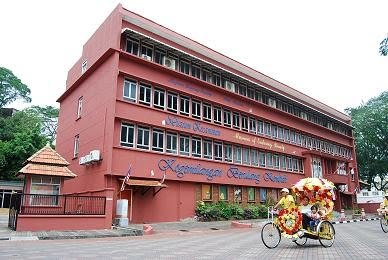
Malacca People's Museum
The Malacca People's Museum (Muzium Rakyat) is a unique museum located in the heart of Malacca City, dedicated to showcasing the social culture, economic, and political development of the Malaysian people. Unlike other traditional museums, it focuses more on the lives of ordinary citizens and the social changes during the nation's development process, providing a rich perspective on social history.
Background and Exhibits of the Museum
The purpose of establishing the Malacca People's Museum is to help people understand Malaysia's historical evolution from colonial times to modernity, particularly the role of ordinary people in national development. The exhibition covers various themes, including political reform, economic construction, daily life, and cultural traditions.
1.Social and Cultural Development: The museum showcases how Malaysian society transitioned from British colonial rule to modernization after independence. Through photographs, artifacts, and historical documents, visitors can learn about the lifestyles, traditional customs, and significant festivals of ordinary Malaysians.
2. Economic and Industrial Progress: It displays Malaysia's achievements in industrialization and economic modernization, particularly how industries like rubber and tin mining propelled rapid economic growth. Through models of machines and historical documents on display, visitors can see the impact of economic changes on the lives of ordinary workers.
3. Political Changes: The museum also introduces political changes before and after Malaysia's independence, especially how citizens influenced national policies and development through elections and protests.
4. Education and Health: There is a section dedicated to showcasing Malaysia's progress in education and public health through photographs, medical equipment models, school materials, etc., reflecting improvements in social welfare that enhance people's quality of life.
Visitor Experience
The Malacca People's Museum offers a rich variety of exhibits that emphasize interactivity and education, making it an ideal place to understand Malaysian history. Its location near the Malacca National Museum allows visitors to conveniently explore multiple museums in the same area for a comprehensive cultural experience.🌍
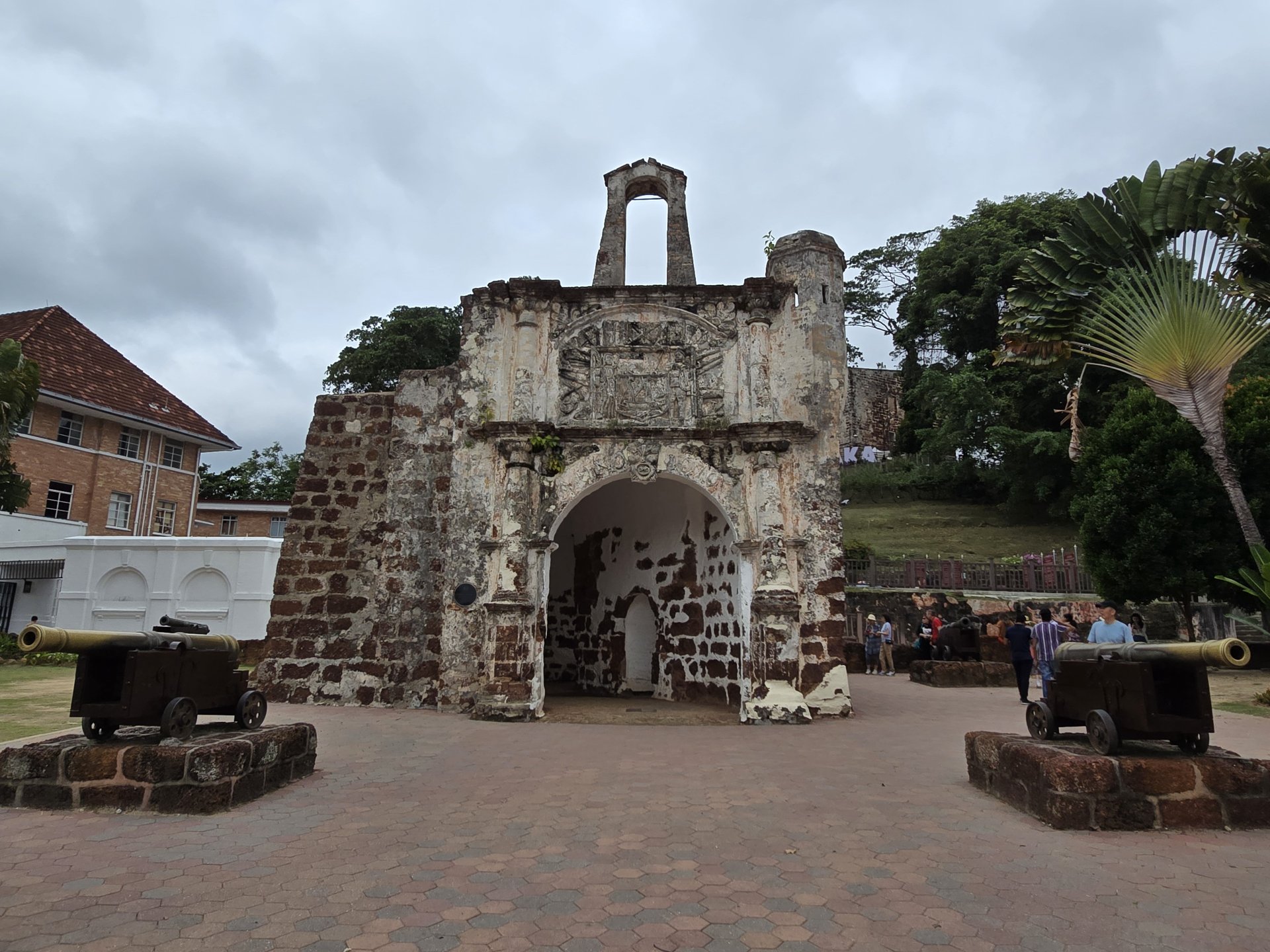
A Famosa
A Famosa is one of Malacca's most famous historical sites. It represents the 16th-century Portuguese colonial rule in Malaysia. This fortress is not only a symbol of the ancient city but also a testament to its long colonial history.
History of A Famosa
The name A Famosa comes from Portuguese, meaning "the famous fortress." It was built by the Portuguese in 1511, when a fleet led by the famous Portuguese explorer Afonso de Albuquerque captured Malacca, aiming to control the crucial spice trade route. After its completion, A Famosa became one of Portugal's military and trade strongholds in Southeast Asia, protecting their colonial interests.
The fortress was originally a vast military complex, including defensive walls, barracks, churches, hospitals, and armories, resembling an impregnable small city. Its grand scale could accommodate hundreds of soldiers and withstand attacks from other European powers.
The Decline of A Famosa
However, as history evolved, the rule of Malacca changed hands several times. In 1641, the Dutch defeated the Portuguese, occupied Malacca, and partially modified A Famosa But by the early 19th century, when the British took over Malacca, A Famosa had lost its military significance. In 1810, the British decided to demolish the fortress to prevent it from being used by the enemy again. Fortunately, Sir Stamford Raffles saved part of the Porta de Santiago, which is the only remaining relic of A Famosa to this day.
The Symbolic Meaning of Porta de Santiago
Today, the Porta de Santiago of A Famosa has become one of Malacca's iconic attractions. This small arch and heavy stone walls are the only remaining parts of the once glorious fortress. Despite being just a remnant of the fortress, it still attracts thousands of tourists to visit and experience the vicissitudes and splendor of that colonial history.
Modern Significance of A Famosa
Today, A Famosa is not only a tourist highlight in Malacca but also a UNESCO World Heritage Site. It reminds people that this city was once a vital trading center contested by European powers and a witness to multiple colonial rules in Southeast Asian history.
Statue of St. Francis Xavier
The Statue of St. Francis Xavier is closely related to the Catholic missionary history of Malacca and is an important part of this colonial site.
Background of the Statue
St. Francis Xavier was a famous Catholic Jesuit missionary in the 16th century, known as the "Apostle of the East." He widely spread Christianity in Southeast Asia and Japan, with far-reaching influence. In 1545, he arrived in Malacca and used it as a base to spread Christianity to India, Japan, and other places. St. Francis Xavier has a high status in Catholic history and was canonized as a saint.
Origin of the Statue
The construction of the statue began in 1952 to commemorate the 400th anniversary of the death of St. Francis Xavier. The statue is located in front of the ruins of St. Paul's Church, which was where he often preached in Malacca.
The most striking detail is the missing right arm of the statue. This was not vandalism but an accidental result of history. Shortly after the statue was cast, a large tree fell and hit the right arm, an accident interpreted by many as a coincidental "symbol." When St. Francis Xavier's body was buried, his right arm was also cut off and sent to Rome as a sacred object of the church.
Summary
A Famosa is the epitome of Malacca's history and culture. It has witnessed the rule of the Portuguese, Dutch, and British over this land and symbolizes how this city was reborn in colonial struggles. If you go to Malacca, be sure to visit this magnificent relic and feel the historical story behind it!
Entrance Fee: Free
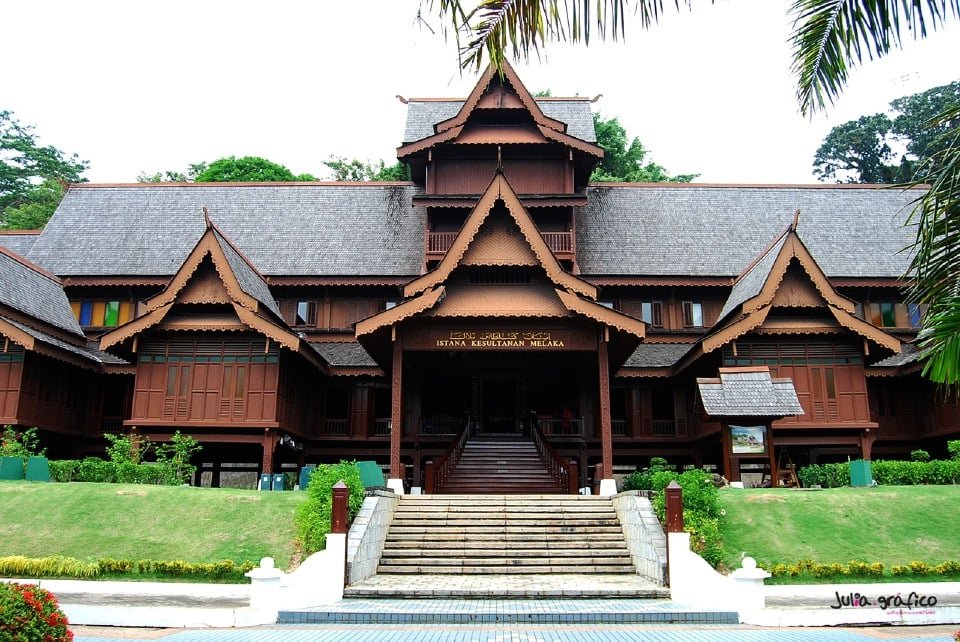
Malacca Sultanate Palace Museum
Malacca Sultanate Palace Museum is a must-see treasure in Malacca's history and culture! Located at the foot of St. Paul's Hill in Malacca, this museum is a magnificent wooden palace that faithfully recreates the palace of the Malacca Sultanate in the 15th century.
History and Background
This museum is not a genuine ancient site but was built in 1984 based on historical records and descriptions in the "Malay Annals." Its design was inspired by the palace of Sultan Mansur Shah of Malacca (reigned 1456-1477). The Malacca Sultanate was once a prosperous trading center, and this palace was a symbol of power and wealth. The reconstruction of the building allows people to relive that glorious era.
Architectural Features
The Malacca Sultanate Palace Museum is mainly constructed of wood, showcasing the traditional Malay architectural style. The palace was built without using any nails, relying entirely on ingenious woodworking skills. The exterior of the museum is solemn and magnificent, adopting a pointed roof design, symbolizing the nobility and majesty of the Malay royal family.
Exhibition Contents
The museum has eight exhibition halls, and the exhibits cover various aspects of the history, culture, costumes, weapons, and literary arts of the Malacca Sultanate. Here are some highlights:
1. History and Culture Exhibits: Showcasing the rise and development of the Malacca Sultanate, as well as its diplomatic and trade relations with other countries (such as China, India, and Arabia). The museum displays many cultural relics, maps, and living items of the Sultan and royal family, recreating the splendor of the Sultan's palace.
2. Palace Life and Royal Culture: The museum deeply explores the daily lives of the Sultan and royal family members, including their etiquette, banquets, weddings, and other important events. Through the displayed costumes, decorations, and furniture, visitors can intuitively understand the palace life of that era.
3. Weapons and Military: The exhibits also include the military equipment of the Malacca Sultanate, showcasing the swords, spears, shields, and other weapons used by Malay warriors at that time, highlighting the Sultanate's military power and how it defended against foreign enemies.
4. Diplomacy and Trade: Through documents, models, etc., it displays Malacca's historical status as an important ancient trading hub, especially its friendly diplomatic relations with the Ming Dynasty of China. The interaction with Malacca during Zheng He's voyages is also part of the exhibition.
Significance of the Museum
This museum is not only a tribute to the golden age of the Malacca Sultanate but also a profound interpretation of the history of the Malaysian nation. Visitors can not only admire the elegance of the ancient palace but also gain a deeper understanding of Malacca's important position in Southeast Asian history. For tourists, it is a journey back in time, allowing them to personally experience the culture and splendor of the Sultanate era.
Therefore, dear friends, if you are curious about the history of Southeast Asia or want to experience the splendor of the Malacca Sultanate in the 15th century, the Malacca Sultanate Palace Museum is a must-visit destination!🤩🌟

Dutch Square Melaka
The Dutch Square in Malacca, also known as Red Square, is one of Malacca's most iconic landmarks, located in the heart of this ancient city. The buildings on the square are famous for their distinctive red facades and Dutch colonial style and are also important sites witnessing Malacca's history, attracting tourists from all over the world.
Historical Background
The history of Dutch Square dates back to 1641 when the Dutch seized Malacca from the Portuguese and began to establish a colonial administrative center there. The buildings around the square, especially the famous Stadthuys, were originally the offices and residences of the Dutch Governor and senior officials. The style of these buildings is influenced by 17th-century Dutch architecture.
The Stadthuys is one of the oldest Dutch buildings still existing in Southeast Asia, and its red exterior was not originally designed that way but was repainted with red paint during the British colonial period, forming today's unique appearance.
Main Buildings on the Square
The buildings around Dutch Square are full of the history and cultural atmosphere of the colonial era, and every place is worth savoring.
1. Stadthuys: The most famous building, built in 1650, was the administrative center of the Dutch colonial government. Today, the interior of the Stadthuys has been transformed into a museum, including the Malacca History and Ethnography Museum and the Literary Museum, showcasing the development history of Malacca from an early trading port to the colonial era.
2. Christ Church: Located near the Stadthuys, this church was built in 1753 and is the oldest Protestant church still existing in Malaysia. Its red exterior and white cross have become the visual focus of the square.
3. Queen Victoria Fountain: This fountain was built in 1901 to commemorate the 60th anniversary of Queen Victoria's reign in Britain. Although the main buildings in Dutch Square are mostly Dutch style, this fountain symbolizes the influence of the British colonial period.
Summary
The Dutch Square in Malacca is the best starting point to understand the colonial history of Malacca and feel the cultural fusion. Every brick here tells a story, whether exploring the museum or admiring the architecture, it will be a rich journey.
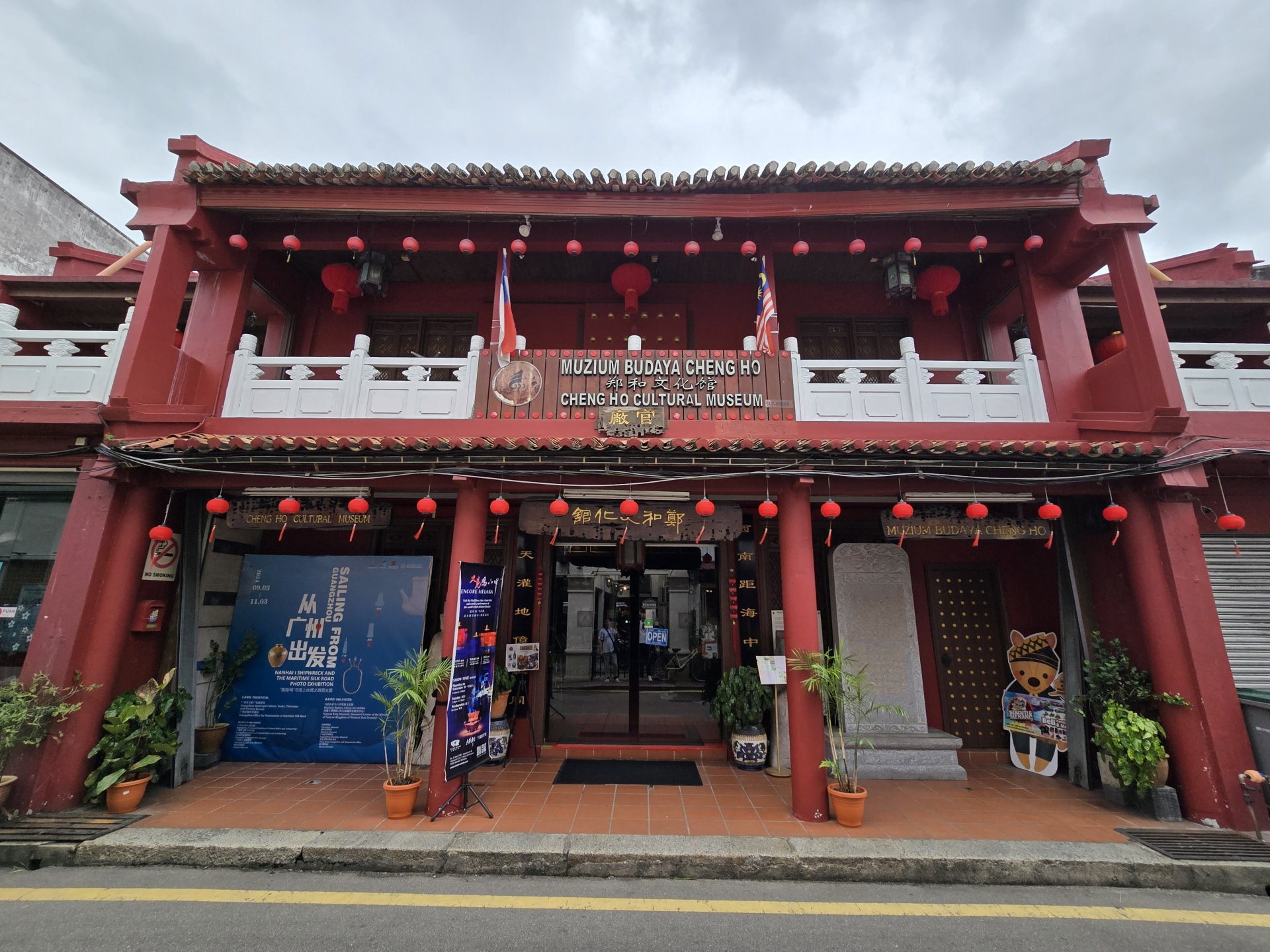
Cheng Ho Cultural Museum
Ah, Malacca! This historic city is not only an important port in Malaysia but also renowned in history for the magnificent voyages of Cheng Ho! In this city lies the Cheng Ho Cultural Museum in Malacca—a shining historical gem that embodies the profound historical ties between China and Malaysia and the legendary cross-cultural exchanges brought by this great navigator.
Historical Background of Cheng Ho Cultural Museum
The Cheng Ho Cultural Museum is located within the ancient city of Malacca and is said to have been built on the site of a warehouse where Cheng Ho’s fleet once stayed! Imagine that warehouse in the 15th century as a temporary base for Cheng Ho and his large fleet filled with silk, porcelain, and spices that formed a prosperous trade route between the Ming Dynasty and Malacca.
Established in 2006, the museum specifically showcases the history of Cheng Ho's voyages to the West, his maritime achievements, and his diplomatic relations with Southeast Asian countries. Through these exhibits, you can feel the grandeur of those voyages spanning thousands of miles—like a great adventure across time and space!🌊⛵
Exhibits and Layout Inside the Museum
The museum consists of three levels with a wealth of exhibition content. Each level has a different theme showcasing the deep connections between Cheng Ho and Malacca. Here are some highlights:
1. Cheng Ho's Maritime Career:The museum exhibits detailed maps of Cheng Ho's fleet routes showcasing his seven voyages to the West. It also displays models of his treasure ships—these vessels were enormous compared to European ships at that time!😲
2. Stories of the Maritime Silk Road: This section showcases trade exchanges between China and Southeast Asia during the Ming Dynasty and how the Maritime Silk Road became an important link for cultural and material exchange between East and West.
3. Cultural Exchange Between China and Malaysia:The museum particularly emphasizes cultural interactions between China and Malaysia throughout history. Cheng Ho not only brought Chinese technology and culture but also helped solidify Malacca's international status as a hub for East-West trade. The museum displays handicrafts and artifacts from that era including porcelain and silk that testify to that prosperity.
4. Cheng Ho's Influence on Malacca:Through maps, paintings, sculptures, and artifacts, this section illustrates how Cheng Ho propelled Malacca's rise and promoted diplomatic relations with China that continue to be reflected in Malacca's culture today.
Significance of Cheng Ho Culture
This cultural museum is not just a tribute to Cheng Ho and his maritime feats but also a testament to the friendly history between China and Malaysia. The peace, trade, and cultural exchanges brought by Cheng Ho's voyages played a crucial role in Malacca's prosperity development. Cheng Ho came not to conquer but as a peace envoy who brought the essence of Eastern civilization to Malacca and other Southeast Asian countries.💖
🕰️Cheng Ho Cultural Museum Operating Hours
Wednesday to Monday (Closed on Tuesday)
9:00 AM to 6:00 PM
🎟️Cheng Ho Cultural Museum Admission Fees
Malaysian Citizens
Adult Ticket (Ages 13+): RM 10
Child Ticket (Ages 12 and below): RM 5
Foreign Visitors
Adult Ticket (Ages 13+): RM 15
Child Ticket (Ages 12 and below): RM 8
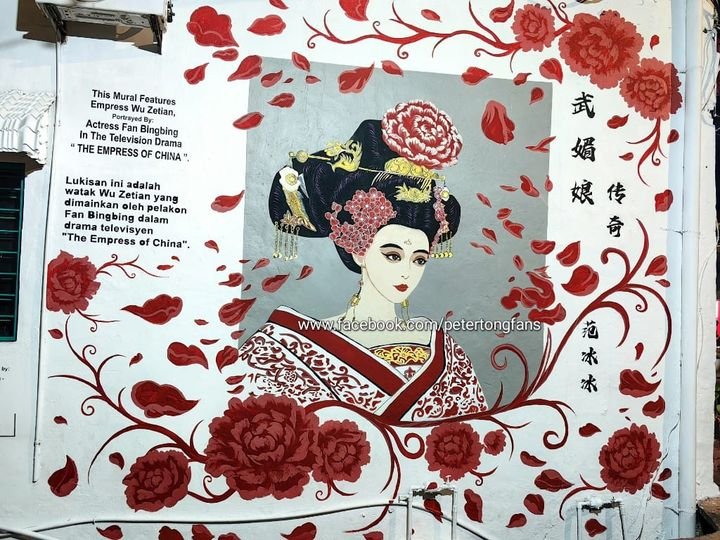
Malacca Fan Bingbing Mural
At the famous Jonker Street in Malacca, a giant mural of Fan Bingbing has recently drawn widespread attention from tourists. This mural commemorates Fan Bingbing's portrayal of Wu Zetian, the only female emperor in Chinese history, in the television drama "The Empress of China."
The mural was created in collaboration between the Malacca Historical City Council team and Chinese artists and is located on Fengxing Lane in Jilin Street, Malacca. The artwork stands about 10 feet tall and depicts the majestic and glamorous image of Fan Bingbing as Wu Zetian. The background is adorned with peony flowers, enhancing the atmosphere of classical Chinese culture.
This mural is not just an art piece; it also symbolizes Fan Bingbing's role as the tourism ambassador for Malacca in 2024. The state government hopes to attract more visitors to this historic city through her influence, especially her popularity in China and other parts of Asia. Additionally, Fan Bingbing will personally unveil this mural and officially serve as Malacca's tourism ambassador.
Located in the tourist-heavy Jonker Street, this mural is an important element in Malacca's cultural and tourism promotion and is particularly suitable for taking memorable photos. If you have the chance to visit Malacca, be sure not to miss this iconic artwork that embodies the cultural exchange between China and Malaysia!😄
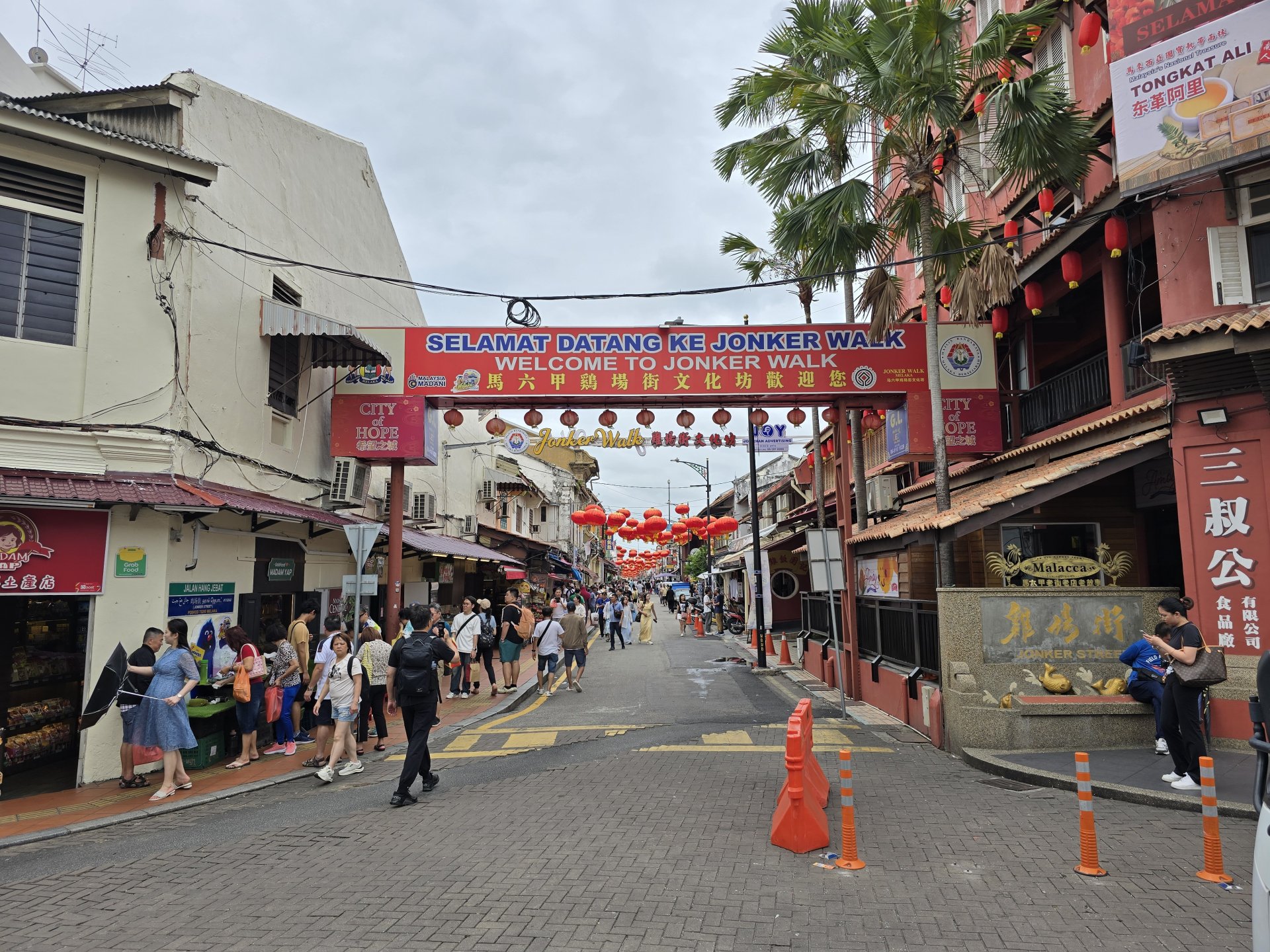
Jonker Walk
Jonker Street, officially known as Jonker Walk, is one of the most vibrant and iconic streets in Malacca, and a must-visit destination for tourists seeking to immerse themselves in the city's unique cultural atmosphere. This street is not only steeped in historical charm but also blends diverse cultures, cuisines, shopping, and entertainment, making it the perfect starting point for exploring Malacca.
History of Jonker Street
The name "Jonker Street" originates from the early settlement of Chinese immigrants in Malacca, particularly those from the Fujian province, who made their living through agriculture and trade. The street was initially part of Malacca's Chinatown and was once a residential area for wealthy Chinese merchants and Peranakan elites.
Today, Jonker Street has transformed from a former commercial district into a bustling pedestrian street, especially on Friday, Saturday, and Sunday evenings when the street turns into a night market, attracting countless tourists and locals.
Highlights of Jonker Street
1. Multicultural Architecture: The buildings along Jonker Street blend Chinese, Malay, and European architectural styles, particularly the 19th-century Baba Nyonya shophouses. These buildings are not only colorful but also adorned with intricate carvings and traditional decorations, creating a perfect blend of culture and history.
2. Night Market: The Jonker Street Night Market is one of the most attractive activities. The night market stalls stretch from one end of the street to the other, selling a variety of goods, including handicrafts, souvenirs, clothing, and antiques. The night market also offers a wide array of local food stalls, from classic local snacks like satay and nasi lemak to mouth-watering desserts like cendol and Nyonya kuih, satisfying every palate.
3. Baba Nyonya Culture: Jonker Street is the best place to experience Baba Nyonya culture. The street is home to numerous Baba Nyonya-related restaurants, museums, and shops, such as the famous Baba & Nyonya Heritage Museum, where you can learn about the history and traditions of this unique culture up close.
4. Temples and Religious Culture: There are also many historical temples and religious sites near Jonker Street, such as:
- Cheng Hoon Teng Temple: The oldest Chinese temple in Malaysia, dedicated to the Goddess of Mercy, Guan Yin.
- Mosques: Showcasing the fusion of Malacca's Malay culture and religion.
5. Live Performances and Entertainment: During the weekend night market, the street comes alive with music performances, dances, and traditional plays by local artists, adding to the lively atmosphere of the night market.
Travel Tips
- Opening Hours: The night market is open every Friday to Sunday, from 6 PM to midnight.
- Transportation: Jonker Street is located in the heart of Malacca City and is accessible on foot. Taking a trishaw (three-wheeled rickshaw) can also be a great experience.
- Precautions: The night market can be crowded, so it's advisable to keep your belongings safe and have cash ready for shopping.
Conclusion
Jonker Street is a microcosm of Malacca's blend of history and modernity. Whether you're a food lover, a history and culture explorer, or a shopping enthusiast, this place will surely meet your expectations.
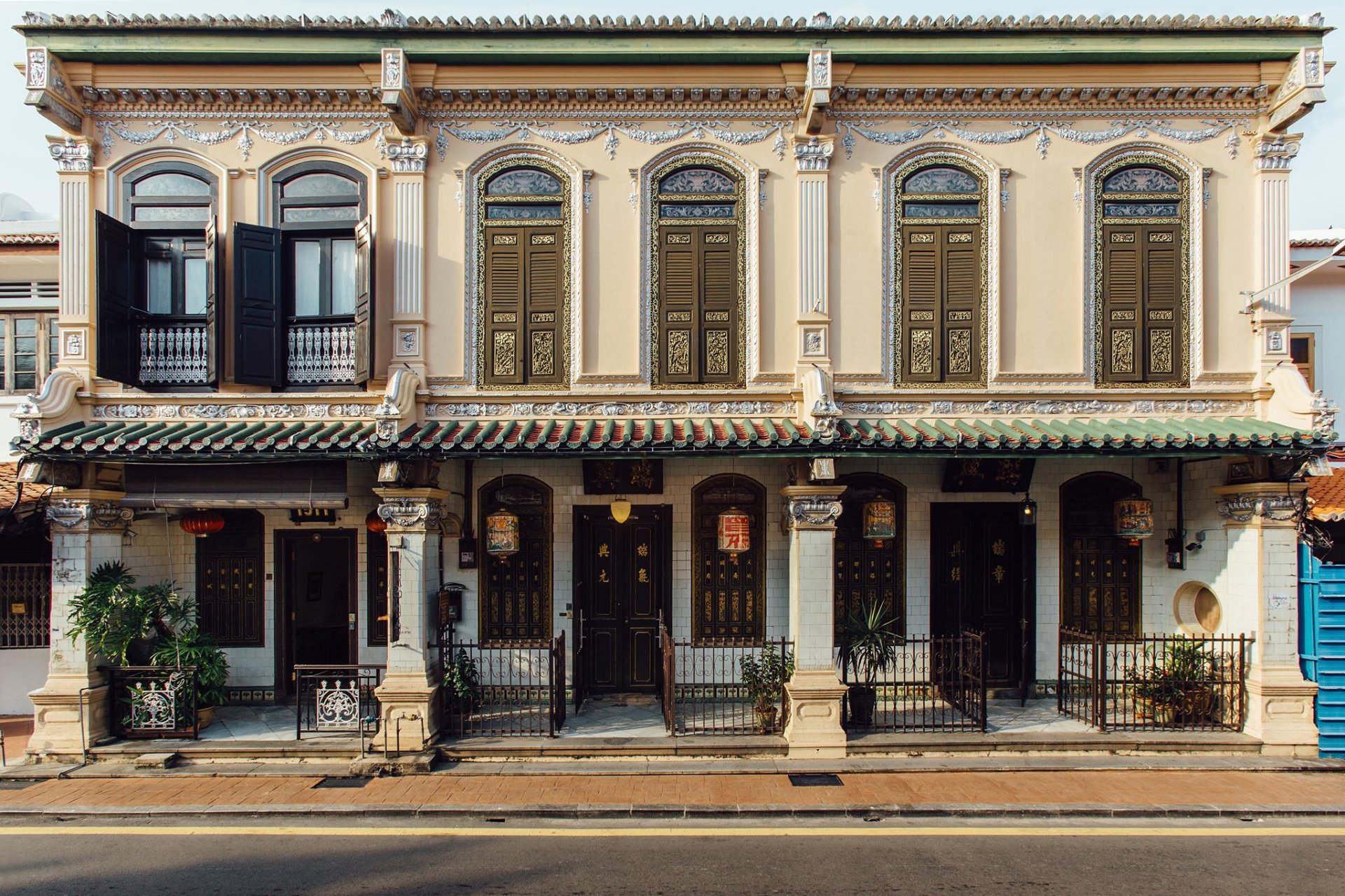
Baba & Nyonya Heritage Museum
The Baba & Nyonya Heritage Museum which is located in Malacca is a well-preserved traditional Baba Nyonya family home showcasing the fusion of Malaysian and Chinese cultures. More than just a window into Baba Nyonya culture, this museum allows visitors to experience firsthand the lifestyle and social status of Baba Nyonya families from the 19th to early 20th centuries.
Who are the Baba Nyonya?
"Baba" refers to the men, while "Nyonya" refers to the women. These terms describe the Chinese ethnic group whose ancestors came from China but gradually intermarried with Malays and integrated into local culture. Their culture is unique, combining Chinese traditions with Malay customs to form a distinctive lifestyle, clothing, food, and language.
History and Architectural Features of the Museum
This museum is a private residence owned by the Chan family and was first built in 1896. The museum’s exterior blends ornate Chinese and Malay styles, reflecting the wealth and aesthetic sense of the affluent Baba Nyonya families of the time. It includes exquisite furniture, porcelain, gilded wood carvings, traditional costumes, and refined home designs, offering a glimpse into the lifestyle of 19th-century Baba Nyonya society.
The interior of this residence is extremely luxurious, embodying a blend of Eastern and Western cultural styles. You will see European imported tiles and furniture coexisting with traditional Chinese wood carvings, showcasing the uniqueness of the Baba Nyonya community in embracing Western influences while maintaining Eastern traditions.
Exhibits
The museum boasts a rich collection of exhibits, primarily showcasing the following aspects:
1. Home Life: Visitors can tour various rooms displaying the living spaces of a typical Baba Nyonya family, including the parlor, dining room, and bedrooms. Each room retains the lifestyle of upper-class Baba Nyonya families from the 19th century.
2. Culture and Etiquette: The museum particularly showcases Baba Nyonya wedding traditions, clothing, and religious customs. Exhibits include handmade Nyonya traditional costumes, embroidery, and other wedding items, demonstrating the rich cultural heritage of this group.
3. Trade and Commercial History: The Baba Nyonya community held a significant position in Malacca's commerce and trade. The museum’s exhibits also display their contributions in this area, particularly their connections with China and other regions of Southeast Asia.
Experience Highlights
When visiting the museum, you can not only appreciate ancient handicrafts and luxurious home decorations but also gain a deeper understanding of the historical background of the Baba Nyonya and their role in Malacca society. The guided tour service is also very professional, providing detailed explanations of the stories behind each exhibit.
Conclusion
The Baba & Nyonya Heritage Museum is an excellent place to understand Malacca’s multicultural history. By showcasing the daily life and traditions of the Baba Nyonya, it reveals a microcosm of ethnic integration in Malaysia. If you are interested in Southeast Asian Chinese culture or traditional lifestyles, visiting this museum will undoubtedly be an unforgettable historical journey! 🌟
🕰️Baba & Nyonya Heritage Museum Opening Hours
- Wednesday to Monday
- 10:00 AM to 4:15 PM
🎟️Baba & Nyonya Heritage Museum Entrance Fees
- Adult Ticket (13 years and above): RM 25
- Child Ticket (12 years and below): RM 15
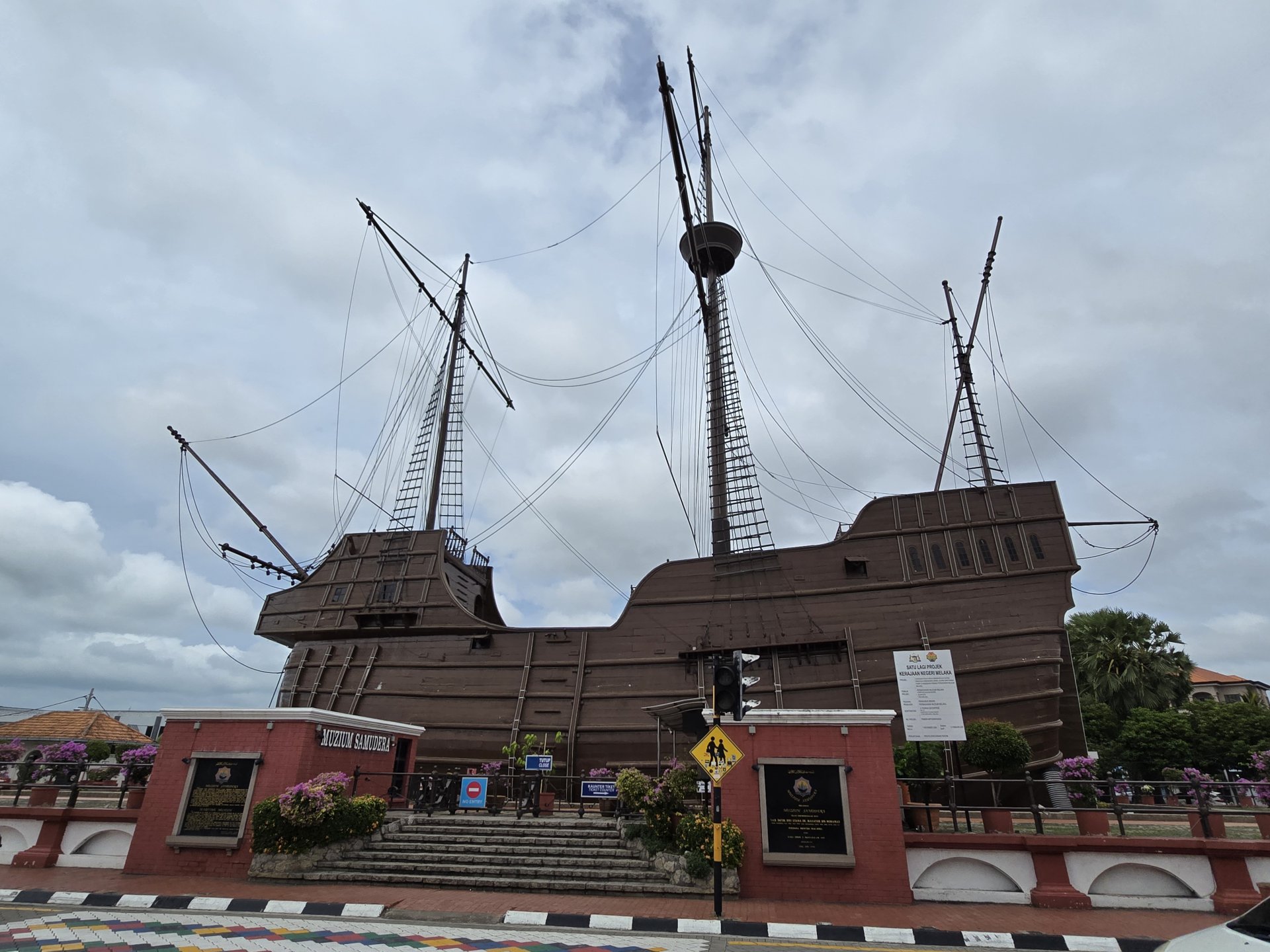
Malacca Maritime Museum
The Malacca Maritime Museum, also known as the Flor de La Mar Museum, is a museum shaped like a Portuguese warship that is docked along the Malacca River and has become one of the most popular historical attractions in Malacca. This museum recreates the legendary Portuguese warship "Flor de La Mar" (meaning "Flower of the Sea") from the 16th century, which is closely linked to Malacca's colonial history.
Background of the Museum
Flor de La Mar was a famous Portuguese warship built in 1502 that participated in many maritime explorations. However, one of its most notable events was its involvement in the Portuguese conquest of Malacca in 1511. After Afonso de Albuquerque led his fleet to conquer Malacca, the "Flor de La Mar" was laden with precious loot but sank in the waters off Sumatra on its way back to Portugal. Today's Malacca Maritime Museum is modeled after this ship and showcases Malacca's maritime history as a trade center in Southeast Asia.
Exhibition Content
The museum not only displays a replica of the ship itself but also includes many exhibits about Malacca's maritime history, trade routes, and activities of colonial powers such as Portugal, the Netherlands, and Britain in the region.
1. Ships and Maritime History: The museum's exhibits primarily focus on the Malacca Strait as an important trade passage and showcase Portuguese vessels, maritime exploration, ship design and usage. The exhibits also include various maritime maps from the 16th to the 19th centuries, ship models, and artifacts related to naval battles.
2. Trade History of Malacca: Since ancient times, Malacca has been an important international trade center; the museum recreates Malacca's prosperity in global trade through displays of porcelain, spices, textiles, and weapons.
3. Evolution of Colonial Rule: The museum also records the history of Portuguese, Dutch, and British rule over Malacca through historical documents and images that illustrate how Malacca changed hands among these colonizers.
Features of the Museum
The architecture of the Flor de La Mar Museum itself is a major feature; it is designed to resemble a giant ship with a height of 34 meters, a width of 8 meters, and a length of 36 meters. Stepping inside this "ship," you feel as if you are immersed in a maritime adventure from the 16th century and have returned to an era filled with maritime conquests and trade. Visitors can climb stairs to reach the deck and overlook the Malacca River and cityscape while experiencing the magnificent perspective once enjoyed by sailors.
Modern Significance
As one of the most popular tourist attractions in Malacca, the Maritime Museum not only attracts history enthusiasts but also provides an opportunity for the public to understand significant historical milestones in Malacca. The rich exhibitions and interactive experiences within the museum offer visitors profound insights into Southeast Asian navigation and trade while also showcasing Malacca's unique position in global history.
Conclusion
The Malacca Maritime Museum is a place that integrates history, culture, and education; it serves as an important window into understanding both Malacca and Southeast Asia's maritime history. If you are interested in maritime history or the glorious past of Malacca, Muzium Samudera is definitely worth a visit!⛵🌊
🕰️Operating Hours for Malacca Maritime Museum
- Tuesday to Sunday
- 9:00 AM to 5:30 PM
🎟️Entrance Fees for Malacca Maritime Museum
Malaysian Citizens
- Adult Ticket (13 years and above): RM 10
- Child Ticket (12 years and below): RM 5
Foreign Passport Holders
- Adult Ticket (13 years and above): RM 20
- Child Ticket (12 years and below): RM 10