旭丘指揮所語音導覽 Asahigaoka Command Post Audio Guide
1. 哨所/園區入口 Sentry Post / Site Entrance
👉 English Audio Guide: https://keelung-for-a-walk.com/7tcz
Full English text guide is provided below.
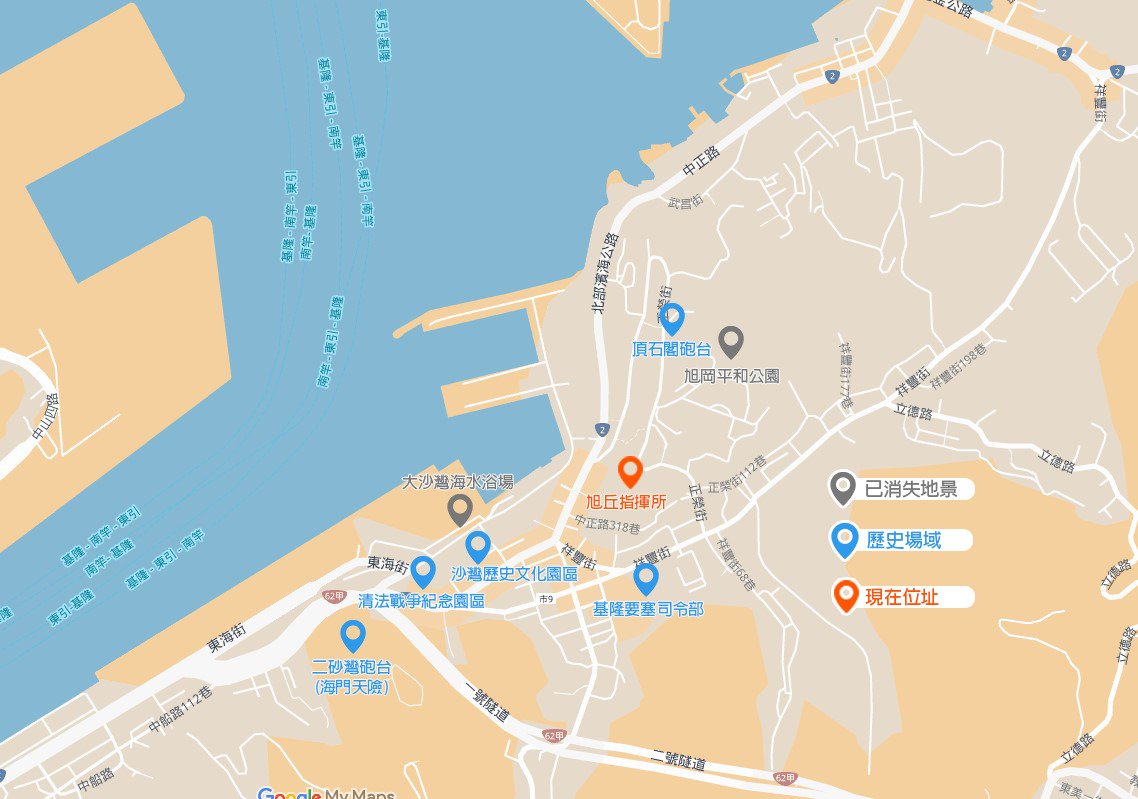
基隆旭丘,或稱旭岡,位在基隆市中正區,地處於基隆港東側,連帶周邊沙灣地區,自19世紀末起,即是基隆港重要的軍要地點。諸如:頂石閣砲台、清法戰爭紀念園區均是見證清法戰爭的史蹟;基隆要塞司令部則是日治時期北臺灣最高軍事指揮中心,現在所在的旭丘指揮所本身亦曾是1940年代重砲防禦陣地。
而除軍政用途外,旭丘也曾是基隆人引以為傲的觀光名勝,1927年臺灣日日新報報社為鼓勵民眾認識臺灣、推展觀光而開辦臺灣八景明信片票選活動,激發各地方愛鄉愛土情懷,積極動員投票,基隆該時人口雖未達8萬人,而基隆港卻獲得2,200多萬票,最後經由審查委員會決議,將基隆旭丘列入臺灣八景之一,再結合附近公園設施、大沙灣海水浴場,讓旭丘成為1930年代基隆旅遊的代表景點,此處能眺望基隆港藍海、白浪與紅霞,且保存清領時期舊砲台遺跡的特色,成為該時文人雅士創作詩詞歌賦的熱門題目。
然此處經長年管制並閒置,部分場景、設施已不復記憶,但近年基隆市政府開啟系列修復調查與再利用計畫,重新打開旭丘指揮所,讓旭丘的美好再次呈現給大家。
現場總共有10個導覽位置,請利用手機掃描各點QR CODE,聆聽與閱覽旭丘指揮所的故事。
Keelung's Asahigaoka, also known as Asahi Hill, is located in Zhongzheng District, Keelung City. It sits on the eastern side of Keelung Port, including the surrounding Shawan area. Since the late 19th century, it has been an important military site in the port of Keelung. For example, Ding-Shi-Ge Fort and the Sino-French War Memorial Park are historical sites that witnessed the Sino-French War; during the Japanese era, the Keelung Fortress Command Headquarters served as the highest military command center in northern Taiwan. The current site of the Asahigaoka Command Post itself was once a major heavy artillery defense post in the 1940s.
In addition to military use, Asahigaoka was once a source of pride for Keelung residents as a famous scenic spot. In 1927, the Taiwan Daily News held a “Top 8 Scenic Spots of Taiwan” postcard contest to encourage local tourism and strengthen public recognition of Taiwan’s beauty. The event stirred strong local pride and enthusiastic voting campaigns across regions. Though Keelung's population was under 80,000 at the time, the port alone received over 22 million votes. After review by a judging committee, Asahigaoka in Keelung was selected as one of Taiwan’s Eight Scenic Spots.
Together with nearby parks and the Dashawan Seaside Bathing Area, Asahigaoka became a representative tourist attraction in 1930s Keelung. Visitors could admire views of the deep-blue sea, crashing white waves, and crimson sunsets over Keelung Port. The area’s preserved Qing Dynasty-era fort ruins made it a popular subject of poems and prose written by scholars and artists of the time.
However, after decades of restricted access and disuse, many scenes and facilities have faded from memory. In recent years, the Keelung City Government has launched a series of restoration studies and reuse projects, reopening the Asahigaoka Command Post and once again revealing the beauty of Asahigaoka to the public.
There are a total of 10 tour stops on-site. Please use your phone to scan the QR codes at each location to listen to and read the stories of the Asahigaoka Command Post.
圖:旭丘指揮所周邊地景
圖像出處:蔚藍體驗工作室改繪
────────────────────
參考資料:
1. 徐裕健建築師事務所(2022)。「歷史建築旭丘指揮所」修復工作成果報告書(未出版報告書)。基隆市文化局。
2. 吳瑞宏建築師事務所(2016)。「基隆市歷史建築旭丘指揮所修復及再利用計畫」(未出版)。基隆市政府。
3. 蔡佩蓉(2012)。壽山,誰的臺灣八景?。高雄文獻, 16-49。
4. 臺灣八景募集 主催臺灣日日新報社(1927年5月29日)。臺灣日日新報,日刊7版。
5. 販賣 八景投票紙 (1927年6月23日)。臺灣日日新報,日刊4版。
6. 臺灣八景候補地決定(1927年7月29日)。臺灣日日新報,日刊5版。
7. 本社募集之 臺灣八景十二勝 廿五日審查決定(1927年8月27日)。臺灣日日新報,日刊4版。
8. 臺灣八景決定 二十五日鐵道ホテルに於ける 最後の審查委員會で 同時に別格二景 及十二勝も決る(1927年8月27日)。臺灣日日新報,日刊5版。
9. 加藤守道(1929)。基隆市。基隆市役所。
10. 伏喜米次郎(1932)。グレート基隆。基隆新潮社。
2. 旭丘指揮所車寄入口 Carport Entrance of the Asahigaoka Command Post
👉 English Audio Guide: https://keelung-for-a-walk.com/ngzc
Full English text guide is provided below.
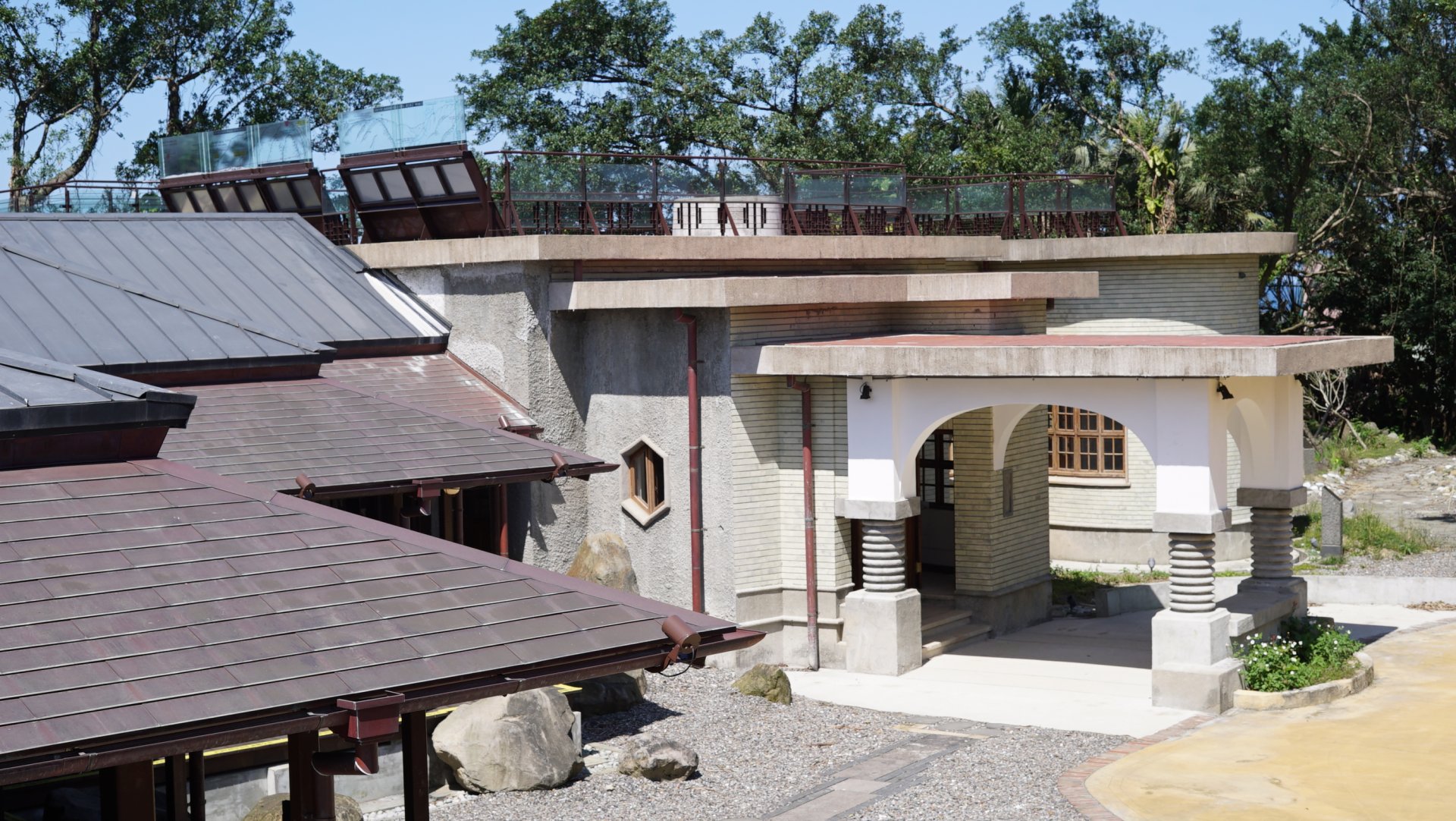
旭丘指揮所是一棟和洋折衷的建築物,興建落成於1937年,是為紀念基隆港築港工程的重要人物──松本虎太,所建造的紀念館。洋館保存較為完整的原始樣貌,建築物是以展示、招待、宴會等公共功能為考量所設計,目前所在的入口車寄處,3根螺旋狀的門柱,是本棟建築物的重點特點之一。
松本虎太畢業於京都帝國大學土木工學科,1907-1934年間陸續擔任臨時臺灣基隆築港局工務課技手、交通局基隆築港出張所所長等基隆港建設重要職位,將近30年間投入基隆築港興建工作。為此在松本虎太轉調臺北後,當時基隆市役所向民間籌資興建此處紀念館,期讓大眾認識這位基隆築港的功勞者。1940年代因太平洋戰爭被日本軍方徵收做為重砲兵連指揮所後軍事設施部署使用,自1946年以後轉交由中華民國國軍單位接手,改建為軍營設施,2000年代改為海巡署管理,歷經70年未曾開放,使旭丘在多數基隆人的印象裡一直是神祕的地方。
2015年10月基隆市政府綜合評估落成年代、建築技術等文化資產價值後,考量此處常年是軍事重要基地,因此以「旭丘指揮所」作為名稱,登錄為基隆市歷史建築。
The Asahigaoka Command Post was built in the Japanese-Western Eclectic architectural style, which blends Japanese and Western elements. Completed in 1937, it was constructed as a memorial hall for Matsumoto Torata, a key figure in the Keelung Port construction project. The building has preserved much of its original appearance. Designed with public functions such as exhibitions, receptions, and banquets in mind, it features a distinctive entrance with three spiral-shaped columns, one of its most recognizable architectural highlights.
Matsumoto Torata graduated from Kyoto Imperial University, majoring in Civil Engineering. From 1907 to 1934, he successively served in important roles for the development of Keelung Port, including Engineer at the Temporary Taiwan Keelung Port Construction Bureau and Director of the Transportation Bureau's Keelung Port Branch. For nearly three decades, he dedicated himself to the construction of Keelung Port. After his transfer to Taipei, the Keelung City Office collaborated with the public to raise funds to build this memorial hall, aiming to honor his contributions and educate the public about his role in port development. In the 1940s, during the Pacific War, the site was requisitioned by the Japanese military and used as a command post for heavy artillery deployment. After 1946, it was handed over to the Republic of China Armed Forces and converted into a military camp. In the 2000s, it came under the management of the Coast Guard Administration. Having been closed off for over 70 years, Asahigaoka remained a mysterious place in the minds of many Keelung residents.
In October 2015, following a comprehensive assessment of the site's construction era and architectural techniques, the Keelung City Government recognized its cultural and historical value. Considering its longstanding role as a key military base, the site was officially named the Asahigaoka Command Post and registered as a historic building of Keelung City.
────────────────────
參考資料:
1. 中央研究院臺灣史研究所。臺灣總督府職員錄系統。https://who.ith.sinica.edu.tw/search2result.html?h=f44j2uZF4iLs2Pu1qMSIh7DH7ys8AXO4oWyMWUtDAXQIEDDKB485EFdT0mrNLHDk
2. 文化部文化資產局。國家文化資產網。https://nchdb.boch.gov.tw/assets/overview/historicalBuilding/20151027000003
3. 吳瑞宏建築師事務所(2016)。「基隆市歷史建築旭丘指揮所修復及再利用計畫」(未出版)。基隆市政府。
4. 徐裕健建築師事務所(2022)。「歷史建築旭丘指揮所」修復工作成果報告書(未出版)。基隆市文化局。
5. 基隆築港功勞者 松本記念館之建設 工事費按二萬五千圓(1936年01月11日)。臺灣日日新報,夕刊4版。
6. 松本虎太氏の記念館贈呈式 基隆て擧行(1937年04月29日),臺灣日日新報,夕刊2版。
3. 應接室 Reception Room
👉 English Audio Guide: https://keelung-for-a-walk.com/yi7x
Full English text guide is provided below.
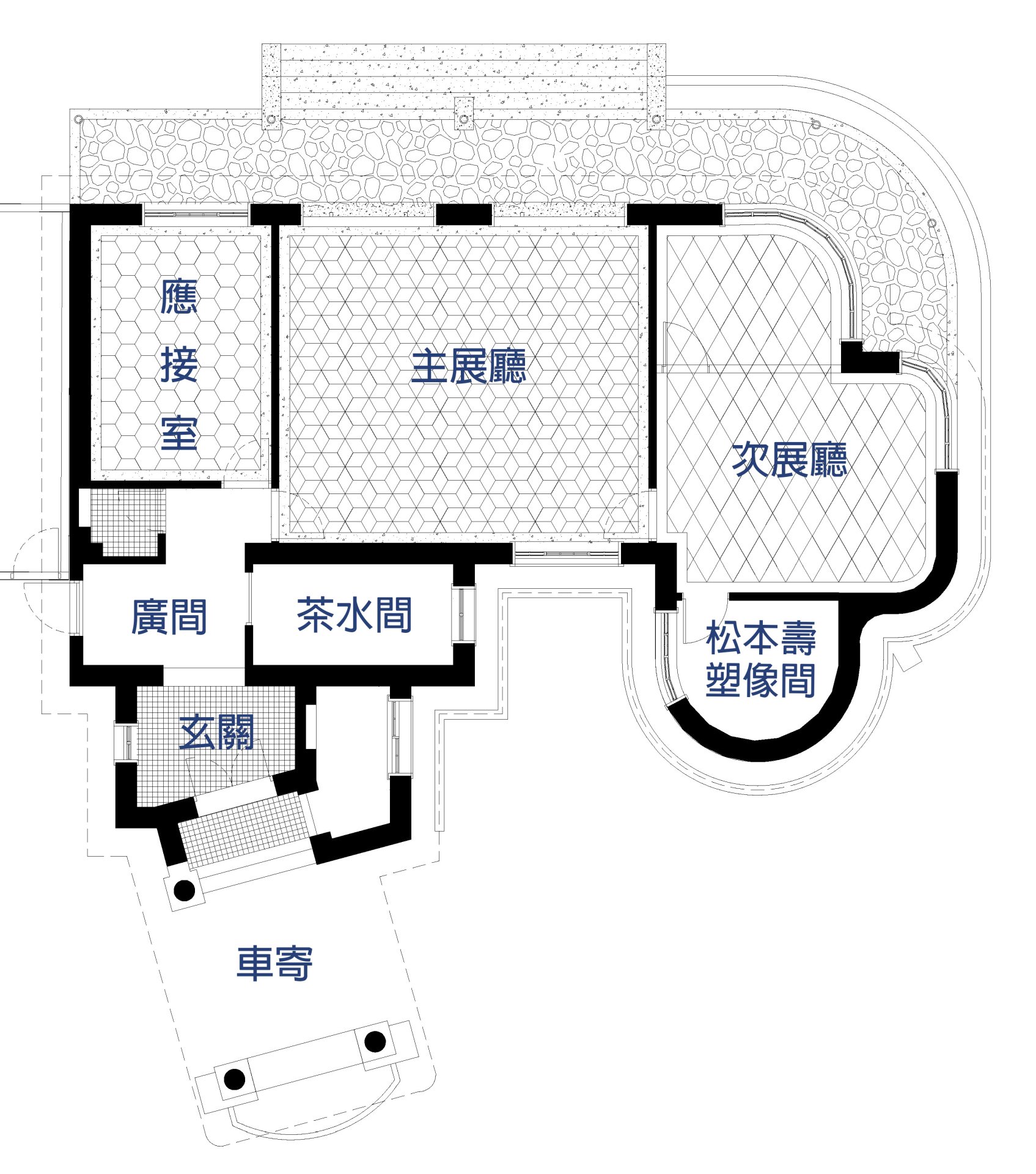
進入洋館入口玄關後,規劃有「廣間」(ひろま,hiroma),是迎接、送別的中介空間,通過「廣間」後,再往前則是來到現在的所在位置「應接室」(おうせつしつ,ousetsu-shitsu),此空間是招待賓客的地方,而「應接室」旁則為本棟建物最寬敞的2處空間,修復調查研究推測此處規劃為展示廳,展演基隆港築港事情,且另可作為宴請、活動的空間;次展廳曾擺放有松本虎太雕塑像,展現松本虎太對於基隆港的重要性。
不同空間利用不一樣的幾何圖形地磚,不對稱幾何窗框,轉角弧線的設計,讓人自然體驗空間的層次差異;主、次展廳大面透明玻璃使光線充足與空氣通透,並且一覽基隆港景致,讓此處曾是基隆1930年代數一數二的摩登建築物。
After entering through the entrance of the Western-style building, visitors arrive at the “Hiroma” (ひろま, hiroma)—a spacious foyer area that acts as a transitional space for welcoming and sending off guests. Moving beyond the Hiroma, you’ll arrive at the Reception Room (応接室, ōsetsu-shitsu), which served as a place to entertain guests.
Adjacent to the Reception Room are the two largest rooms in the building. Restoration research suggests that these were originally exhibition halls, showcasing the Keelung Port construction process. They were also likely used for banquets and events. One of these halls once housed a sculpture of Matsumoto Torata, emphasizing his significant contributions to the development of Keelung Port.
Each space uses different geometric-patterned floor tiles and asymmetrical window frames, along with curved corner designs that create a natural experience of the room-to-room transitions and layers. The main and secondary exhibition halls feature large transparent windows, allowing abundant natural light and airflow, while also offering panoramic views of Keelung Port. These features made the building one of the most modern architectural structures in Keelung during the 1930s.
圖1:洋館空間配置圖
圖2:地磚樣式,從左至右分別為應接室(六角形)、主展廳(立體正方形)、次展廳(菱形)。
圖像出處:
1. 徐裕健建築師事務所繪製、蔚藍體驗工作室改繪,基隆市文化觀光局提供。
2. 蔚藍體驗工作室拍攝。
────────────────────
參考資料:
1. 李乾朗(2003)。台灣古建築圖解事典。遠流出版事業股份有限公司。
2. 吳昱瑩(2018)。圖解台灣日式建築。晨星出版有限公司。
3. 徐裕健建築師事務所(2022)。「歷史建築旭丘指揮所修復工作成果報告書」(未出版)。基隆市文化局。
4. 基隆市文化局(2023/6/21)。旭丘展顏 風華再現:旭丘指揮所修復紀錄〔影片〕。https://www.youtube.com/watch?v=9WCUk-TDPig
4. 主展廳模型區 Main Exhibition Hall – Model Area
👉 English Audio Guide: https://keelung-for-a-walk.com/v5xx
Full English text guide is provided below.
現在所在位置推測是松本虎太紀念館的主要展示廳,從落地門窗可以眺望整片基隆港區,透過現場模型可以清楚瞭解周圍現存與消失的地景、設施。
旭丘東南側是1929年落成的「基隆要塞司令部」,是該時北臺灣最高軍事單位,日治時期於基隆港周邊拍攝寫真、繪製地圖等,均須經過基隆要塞司令部核准,所以現留存的日治時期不同商號發行的基隆寫真明信片、報紙的寫真都會有其許可字號。2018年基隆市政府啟動修復再利用計畫,是現在基隆新興藝文據點。
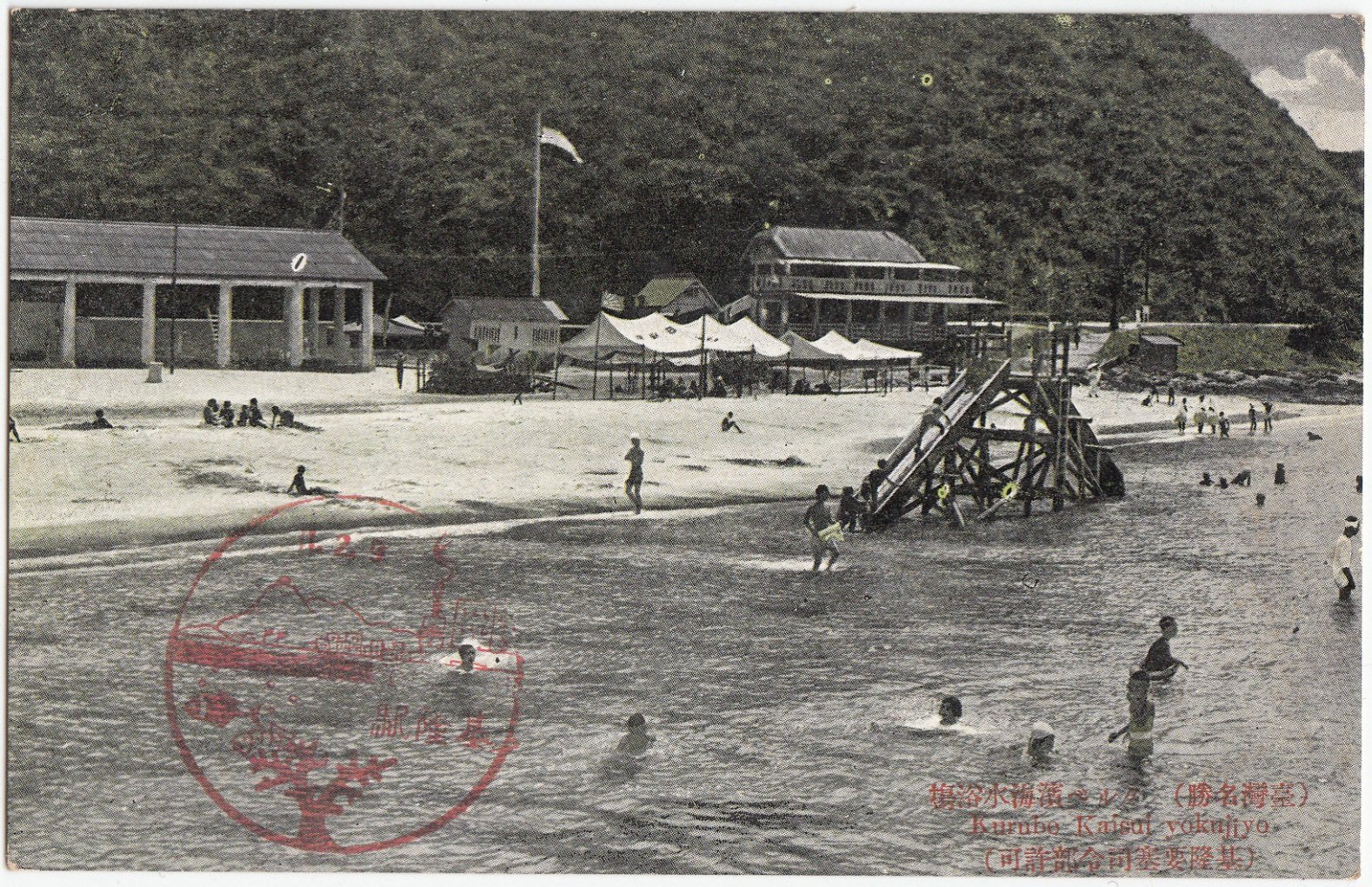
西南側為「基隆要塞司令官舍」與「大沙灣海水浴場」,日治時期此區域結合海水浴場、法軍墓園及戰爭紀念碑,形成一處海洋休閒及文化教育的場所,是基隆與臺北的學子們臨海教育、認識臺灣歷史的場所,鐵道部曾經開辦納涼列車,以基隆海水浴為行銷特色宣傳,招募遊客於夏季一起造訪基隆。緊鄰大沙灣海水浴場邊,也有一棟和洋折衷的建築,是1932年由臺灣土地建物株式會社建造,提供予基隆負責人松浦新平的住所。該時從建物的全景窗向外望去,可以飽覽沙灣海浴的風光。2006年時原以基隆關稅務司官舍指定為古蹟,2010年經修復調查研究,確定1950-60年代曾為基隆市市長謝貫一、林番王等人的官邸,因此變更以「市長官邸」為正式名稱。
大沙灣在1966年時,為因應國際貨櫃運輸需求,被改建為貨櫃港埠,海水浴場的風景只能存在於老基隆人的記憶與圖書文獻裡。
This area is believed to have been the main exhibition hall of the Matsumoto Torata Memorial Hall. From the floor-to-ceiling doors and windows, one can overlook the entire Keelung Port area. The site model displayed here helps visitors clearly understand both the existing and vanished landscapes and facilities in the surrounding area.
https://greatkeelung.klcg.gov.tw/en/Dtl/A/H202106240045/W026
To the southeast of Asahi Hill stands the Keelung Fortress Command, completed in 1929. It was the highest military command center in northern Taiwan at the time. During the Japanese era, any photography or mapmaking around Keelung Port required approval from this headquarters. As a result, surviving vintage photo postcards and press images from that time—produced by different publishers—always included official permit numbers. In 2018, the Keelung City Government launched a restoration and reuse project, transforming the site into a new hub for arts and culture in Keelung.
To the southwest were the Keelung Fort Commander's Official Residence and the Dashawan Seaside Bathing Area. During the Japanese era, this area combined a beach, French military cemetery, and war memorials, forming a space for ocean recreation and cultural education. It was a popular field trip destination for students from Keelung and Taipei to learn about coastal education and Taiwan’s history. The Railway Department even launched a special “Summer Cooling Train”, using Keelung’s seaside bathing as a tourist attraction to draw visitors during the summer.
Near the Dashawan Beach stood a Japanese-Western Eclectic Architecture, built in 1932 by the Taiwan Land and Building Corporation as the residence of Keelung manager Matsuura Shinpei. From the building’s panoramic windows, one could once enjoy full views of the seaside resort. Originally designated as the Keelung Customs Officer’s Residence and listed as a heritage site in 2006, restoration studies in 2010 revealed it was later used as the official residence of Keelung mayors, including Hsieh Kuan-yi and Lin Fan-wang, in the 1950s and 60s. The site has since been renamed the Mayor’s Residence.
In 1966, Dashawan was transformed into a container port to meet the demands of international freight shipping. The scenic beach now survives only in the memories of old Keelung residents and archival documents.
附註:
1. 現在基隆港東側東海街1號貨櫃港位置,1910到1960年代是大沙灣海水浴場,日治時期的報章雜誌等出版也會寫作孤拔濱(クールベー濱),因海水域場範圍內有清法戰爭戰歿的法國人墓園,清法戰爭法國指揮將軍為孤拔(Anatole-Amédée-Prosper-Courbet),因此這片海水浴場在當時也被稱作孤拔濱(クールベー濱)。
2. 臺灣土地建物株式會社於1908年創立,是日治時期臺灣第一個大型開發建設公司,本店設於基隆,因該時基隆築港計畫伴隨多筆土地買賣與建物興造,臺灣總督府需要一個有規模的公司協助統一處理基本住宅建設,在此背景下,扶植臺灣土地建物株式會社創立,收購基隆港灣公私有土地,並且規畫住宅與公共建設興建,讓基隆港築港計畫循序推進。
圖1:クールベー濱明信片(約1920-1930年代所發行)
圖2:2025年基隆要塞司令
圖3:修復過後的基隆市歷史建築市長官邸
圖像出處:
1. 依著作權法第33、34條規定,本寫真自公開發表後已過50年,已過著作財產權保護年限。取自:https://commons.wikimedia.org/wiki/File:Kurube_Kaisui_yoknjiyo.jpg
2. 蔚藍體驗工作室拍攝。
3. 基隆市文化觀光局提供。
────────────────────
參考資料:
1. 國立臺北科技大學建築系(2005)。基隆要塞司令部調查研究計畫(未出版)。基隆市政府。
2. 三ッ橋安郎(1934)。鄉土讀本 我が基隆。著者出版。
3. 基隆要塞司令部 新廳舍落成 舉式後祝賀會開催(1929年7月9日)。臺灣日日新報,1版。
4. 寫真は福德市場、基隆要塞司令部二十日檢閱演(1936年4月21日)。臺灣日日新報,9版。
5. 海はまねくクールベー濱の頃系列報導寫真(1936年6月27日)。臺灣日日新報,4。
6. 納凉列車と海水浴(1903年6月11日)。臺灣日日新報,5版。
7. 要塞樂地(1909年9月1日),臺灣日日新報,5版。
8. 基隆海水浴場(1918年5月21日)。臺灣日日新報,6版。
9. 撚をかける臨海敎育中村市視學が基隆へ下檢分(1926年6月3日)。臺灣日日新報,2版。
10. 林玫君(2023)。海水浴場與臨海教育。臺灣學通訊,16。
11. 陳正哲(2019)。臺灣土地建物株式會社與鈴置良一。臺灣學通訊,112。
12. 華梵大學建築學系(2009)。基隆關稅務司官舍調查研究計畫(未出版)。基隆市政府。
5. 次要展廳與松本壽像區 Keelung Port Construction and Its Key Figures
👉 English Audio Guide: https://keelung-for-a-walk.com/cqhj
Full English text guide is provided below.
基隆港是臺灣重要交通建設,20世紀初期臺灣總督府以基隆為臺灣首要港埠,開啟築港計畫發展基隆港建設,耗費約40年時間,奠定基隆港建設的基礎。然而築港負責機關歷經多次調整與變化,工程也因戰爭、內政、預算等原因,常有停工、延期的情況,基隆築港實屬困難與不易。
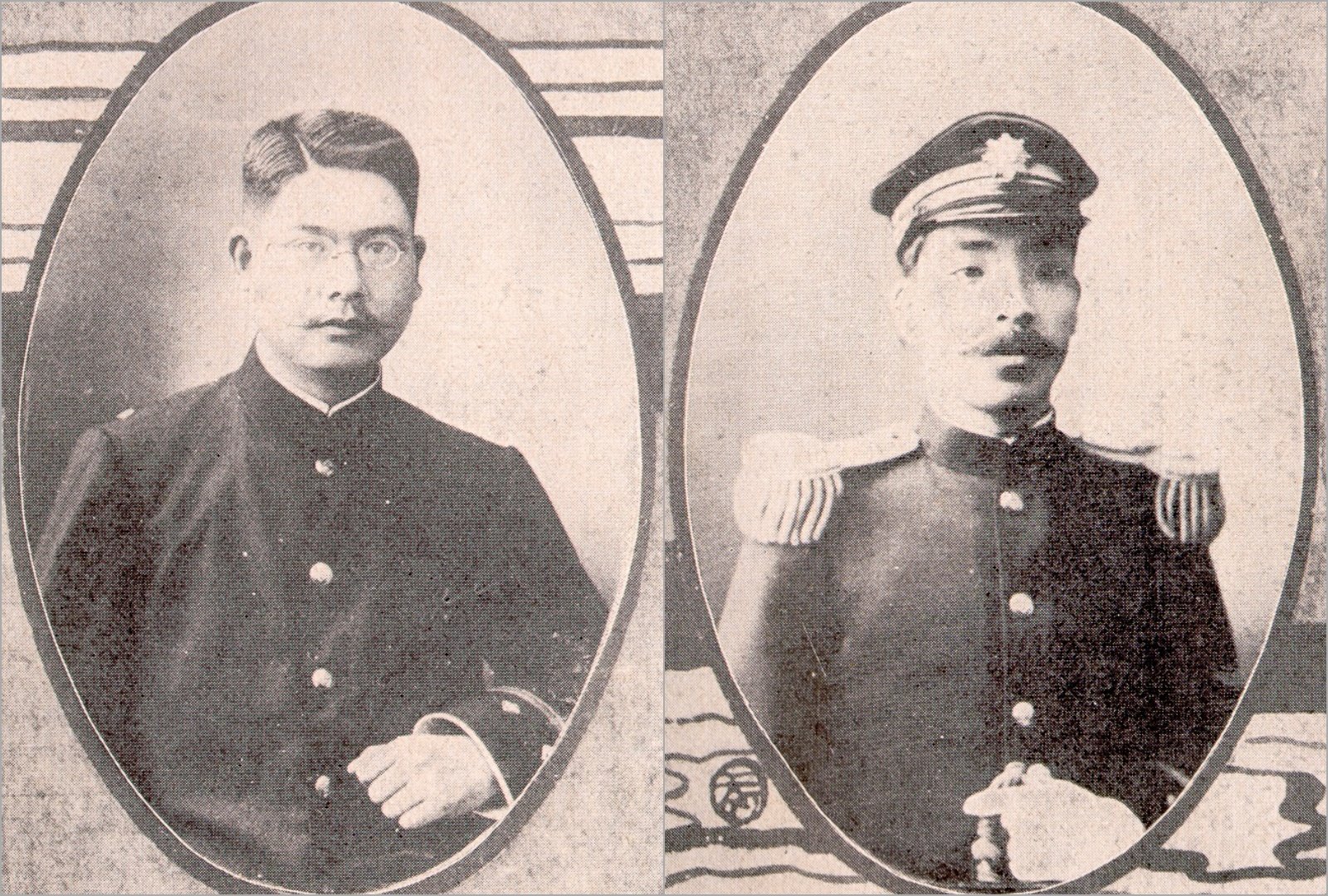
基隆築港工程有多位專業技師的用心,特別提及常見於日治時期書籍、期刊、報導的川上浩二郎與松本虎太,2位先後於基隆築港機關服務,皆被譽為基隆港開發之恩人。
川上浩二郎於1899-1916年從技師到所長任內,克服東北季風、夏颱等氣候劣勢,完成清淤浚渫、移除鱟公、鱟母島、填埋造陸整平海岸,其用心備受肯定,1919年時基隆人募資於大沙灣海水浴場興建川上博士紀念館。
松本虎太於1907-1934年從臨時築港局技手生職到交通局基隆築港所所長,除參與規劃各期工程,曾赴英美留學,將海水對於鋼筋混凝土研究經驗落實於築港計畫,並完成田寮港運河橋梁、擴充倉庫等工項,為紀念松本虎太的功勞,也因此有這棟由官方主導向民眾集資,1937年耗資2萬5千多圓落成的松本虎太紀念館,現在所在位置即曾經放置其半身塑像,該塑像是當時基隆公益社委託曾入選帝國美術院展覽會的雕塑藝術家鮫島臺器所製作,此棟紀念館同時成為官方向貴賓與大眾介紹基隆港的招待空間。
附註:
1. 基隆公益社創立於1913年,由當時在基隆地區經營的日本企業家木村久太郎申請創辦,集結當時基隆日籍企業家,諸如:基隆商工會會長石坂莊作、和服店老闆岸田多一郎、吾妻料理店老闆中根幸太郎等共23人連署,向大眾募款,以救恤、公益為目的,經營基隆公會堂、海水浴場設備、時間報時等事業,雖為民間團體,但該時政府辦理各項官方活動,會透過基隆公益社獲得捐獻;另外一方面,基隆公益社成員亦可藉捐獻、贊助,獲得官方支持事業。
2. 鮫島臺器(1895-1963),鮫島臺器原名鮫島盛清,鹿兒島人,自幼隨家人來台生活於基隆,1918年從事鐵道部駕駛員,並於在職期間自學雕塑受到肯定,1929年辭職,經臺灣本土雕塑家黃土水介紹,成為日本雕塑名家北村西望的學生,1932年以作品「望鄉」入選帝展,被譽為是繼黃土水之後的雕塑家,多次在基隆公會堂舉辦個展,與基隆淵源頗深。
Keelung Port has been one of Taiwan’s most important transportation infrastructures. In the early 20th century, the Taiwan Governor-General designated Keelung as the island’s primary port, launching a port construction plan that took around 40 years to complete and laid the foundation for modern Keelung Port. However, the construction agencies underwent several reorganizations, and the project often faced interruptions or delays due to war, domestic affairs, and budget issues—making the construction process long and arduous.
The development of the Keelung Port relied heavily on the dedication of numerous professional engineers, most notably Kawakami Kojiro and Matsumoto Torata, whose names frequently appear in publications from the Japanese colonial period. Both served in the Keelung Port construction agencies and were regarded as key contributors to the port’s development.
Kawakami Kojiro, who served from 1899 to 1916 (from engineer to department head), overcame challenges such as the northeastern monsoon and summer typhoons. He successfully carried out dredging, removed Hougong and Houmu islets, reclaimed land, and leveled coastal areas. His efforts were widely recognized. In 1919, the people of Keelung raised funds to build the Kawakami Memorial Hall at Dashawan Beach in his honor.
Matsumoto Torata, from 1907 to 1934, advanced from a technical assistant in the Temporary Port Construction Bureau to the Director of the Port Construction Office under the Transportation Bureau. He not only helped plan multiple phases of the project but also studied in the UK and the US. He applied his research on the effects of seawater on reinforced concrete to the port’s construction, contributing to works like the Tianliao Harbor canal bridge and warehouse expansions.
To commemorate Matsumoto Torata's contributions, the government led a public fundraising effort, resulting in the completion of the Matsumoto Torata Memorial Hall in 1937 at a cost of over 25,000 yen. A bronze bust of him once stood on the premises. The sculpture was commissioned by the Keelung Public Welfare Society and created by sculptor Samejima Taiki, who had previously been selected for the Imperial Art Exhibition. This memorial hall also served as a formal reception space where officials introduced Keelung Port to distinguished guests and the general public.
Notes on the Keelung Public Welfare Society:
Founded in 1913 by Japanese entrepreneur Kimura Kyutaro, who was active in Keelung, the society gathered 23 local Japanese businessmen, including Ishizaka Shozaku (president of the Keelung Chamber of Commerce), Kishida Taiichiro (kimono shop owner), and Nakane Kotaro (owner of Azuma Restaurant). They collectively raised funds to support public welfare, managing projects like the Keelung Public Assembly Hall, beach facilities, and a time-signaling service. Although a civilian organization, the society often collaborated with the government during official events and secured state sponsorship through donations and support.
Samejima Taiki (1895–1963):
Born Samejima Morikiyo in Kagoshima, he moved to Keelung with his family as a child. He worked as a driver in the Railway Department in 1918 and began studying sculpture independently while on the job. His talent was soon recognized. In 1929, he resigned and, through an introduction by Taiwanese sculptor Huang Tu-shui, became a student of Japanese master Kitamura Seibo. His piece Yearning for Home was selected for the 1932 Imperial Exhibition. He later held solo exhibitions at the Keelung Public Assembly Hall and maintained a deep connection to the city.
圖左:川上浩二郎;圖右:松本虎太
圖像出處:臨時臺灣總督府工事部基隆出張所(1911)。基隆築港沿革,頁6。依著作權法第33、34條規定,本寫真自1962年起已過著作財產權保護年限,由國立臺灣圖書館提供。
────────────────────
參考資料:
1. 陳凱雯 (2016) 。築港基石:日治時期基隆築港機關的建置與築港社群的形成。興大歷史學報, 61-92。
2. 簡萬火(1931)。基隆誌。基隆圖書出版協會。
3. 陳凱雯 (2013) 。技師川上浩二郎與基隆築港(1899~1916)。臺灣學研究,16期, 71-99。
4. 基隆築港功勞者 松本記念館之建設 工事費按二萬五千圓(1936年01月11日)。臺灣日日新報,夕刊4版。
5. 基隆海水浴場 川上博士紀念事業(1917年5月23日)。臺灣日日新報,6版。
6. 紀念海水浴場 寄附金七千圓募集(1917年6月9日)。臺灣日日新報,7版。
7. 川上博士紀念的基隆海水浴場(1918年5月20日)。臺灣日日新報,5版。
8. 中央研究院臺灣史研究所。臺灣總督府職員錄系統。https://who.ith.sinica.edu.tw/search2result.html?h=f44j2uZF4iLs2Pu1qMSIh7DH7ys8AXO4oWyMWUtDAXQIEDDKB485EFdT0mrNLHDk
9. 松本技師留學( 1917年02月09日)。臺灣日日新報,2版。
10. 松本技師留学(十五日)(1917年2月16日)。東京朝日新聞,3版。
11. 「留學生出發」(1917年03月21日)。大正6年3月臺灣總督府報第1248期,臺灣總督府(官)報,國史館臺灣文獻館,典藏號:0071021248a002。
12. 松本記念館の壽像到著(1936年9月1日)。臺灣日日新報,9版。
13. 基隆築港計畫大岸壁大船渠の築造繫留能力二十一隻/交通機關(1921年1月1日)。臺灣日日新報,11版。
14. 住屋三郎兵衛(1937)。臺灣人士之評判記 第一輯 (附事業界)。南邦公論社,18。
15. 陳凱雯 (2007) 。日治時期基隆公會堂之研究--兼論基隆地方社會的發展。海洋文化學刊, 75-105。
16. 「財團法人基隆公益社設立願許可(木村久太郎)」(1913-09-01),〈大正二年臺灣總督府公文類纂永久保存第三十三卷地方〉,《臺灣總督府檔案.總督府公文類纂》,國史館臺灣文獻館,典藏號:00002120008。
17. 鈴木惠可(2023),《黃土水與他的時代:臺灣雕塑的青春,臺灣美術的黎明》。遠足文化事業股份有限公司。頁209-232。
18. 基隆驛で 苦力轢から 右足切斷 遂に死亡(1928年7月31日)。臺灣日日新報,2版。
19. 基隆の塑像展(1929年4月25日)。臺灣日日新報,7版。
20. 鮫島盛清氏 彫刻個人展 廿八日本社講堂て。(1929年7月26日)。臺灣日日新報,夕刊2版。
21. 鮫島盛淸氏 帝展に入選 「山の男」の 彫刻で。(1933年10月10日)。臺灣日日新報,7版。
22. 四尺の女神像を 基隆公會堂に寄贈 彫塑界の新人—鮫島盛清君が。(1934年2月11日)。臺灣日日新報,夕刊2版。
23. 鮫島臺器氏の彫刻個人展 基隆と臺北で。(1935年2月1日)。臺灣日日新報,夕刊2版。
6. 陳儀曾居住過小房間 Small Room Where Chen Yi Once Lived
👉 English Audio Guide: https://keelung-for-a-walk.com/dm63
Full English text guide is provided below.
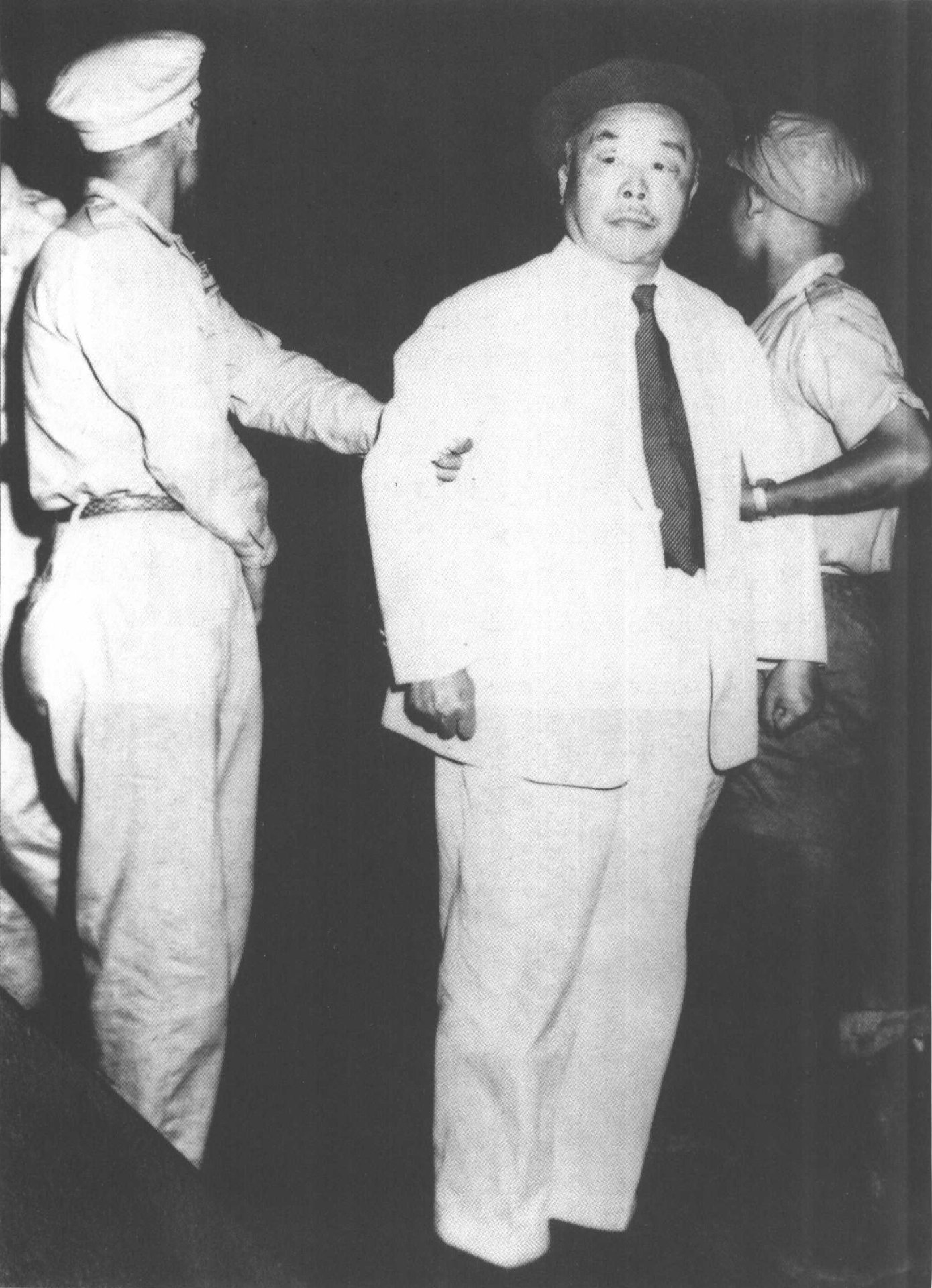
陳儀(1883-1950),中國浙江紹興人,1903年赴日留學,後轉入日本士官學校炮兵科。畢業返回中國後,1911年辛亥革命時於浙江響應,1917年再赴日本陸軍大學深造,1919年回國,任總統府參議。陳儀原為孫傳芳部將,後轉投靠北伐軍,1920至1940年代歷經軍閥時期、中日戰爭、國共內戰,受蔣中正賞識重用,曾擔任福建省主席,並來臺考察,被視為政府內較熟識臺灣情況的人物。1945年日本無條件投降後,蔣中正委任陳儀為臺灣省行政長官,並兼任臺灣省警備總司令,負責臺灣政務。
然而,1947年2月28日因政府查緝私菸處理不當,激發臺灣民眾自1945年以後於政治、社會、民生經濟等所累積的憤怒,當時行政長官陳儀未理解民情、妥善處理、請示上級調用軍力鎮壓臺灣民眾,迫害菁英人士,史稱「二二八事件」;1947年4月陳儀遭撤職,5月返回中國,改任國民政府顧問。
1948-1949年陳儀任職浙江省主席期間,與親友、部將談話有左傾共產、批判總統與黨的言論,主張國共談和,被後輩湯恩伯舉發後,1949年2月於上海被捕,先囚於浙江衢州,4月再移送至臺灣基隆,被關押在基隆要塞。
1949年5月陳儀寫給妻女的家書曾道:「此地是一個小高山,位置在基隆港口,下雨的日子亦較多,但因此,氣候比台北涼快點。我到旭丘以來,天氣最熱的時候室內溫度亦不過華氏84度(約攝氏29度)...」,證實陳儀曾於旭丘被監管,書信亦有提及當時旭丘指揮所的空間配置,僅有3間房間,中間寬敞的空間(日治時為主展廳)為飯廳,另有高階官員3人、服侍人員1人同住。
1950年6月9日國防部軍法合議庭判決陳儀「煽惑軍人叛逃,處死刑,奪公權終身」,16日於臺北馬場町執行槍決,當時報導曾有民眾投書「稱快」的論述。旭丘指揮所可以做為見證這位近代備受爭議歷史人物的故事場景之一。
Chen Yi (1883–1950) was from Shaoxing, Zhejiang, China. In 1903, he went to Japan to study and later transferred to the Artillery Department of the Japanese Military Academy. After graduating, he returned to China and participated in the 1911 Xinhai Revolution in Zhejiang. In 1917, he went back to Japan for advanced studies at the Japanese Army War College and returned in 1919 to serve as a counselor in the Presidential Office.
Originally a subordinate of warlord Sun Chuanfang, Chen Yi later joined the Northern Expedition forces. Between the 1920s and 1940s, he experienced the warlord era, the Sino-Japanese War, and the Chinese Civil War. He gained the favor of Chiang Kai-shek, served as the chairman of Fujian Province, and visited Taiwan for inspection, becoming one of the officials most familiar with Taiwan's situation.
After Japan’s unconditional surrender in 1945, Chiang Kai-shek appointed Chen Yi as the Governor-General of Taiwan and concurrently as Commander-in-Chief of Taiwan’s Defense Command, responsible for Taiwan’s governance.
However, in February 1947, due to mishandling government inspections of smuggled cigarettes, public frustration that had built up since 1945 in political, social, and economic aspects erupted into the February 28 Incident. Chen Yi failed to understand public sentiment or manage the crisis properly and requested military force to suppress the people, resulting in persecution of local elites. He was dismissed in April 1947 and returned to China in May, becoming an advisor to the Nationalist government.
During his tenure as Chairman of Zhejiang Province from 1948 to 1949, Chen Yi had conversations with friends and subordinates that included pro-communist leanings and criticisms of the President and the Kuomintang party and advocating peace talks between the Kuomintang and Communists. After being reported by his junior Tang Enbo, Chen Yi was arrested in Shanghai in February 1949, imprisoned first in Quzhou, Zhejiang, and then transferred to Keelung Fortress in Taiwan in April.
In a family letter written in May 1949 to his wife and daughters, Chen Yi described his detention location: "This place is a small hill near Keelung Harbor. It rains frequently, so the climate is cooler than Taipei. Even in the hottest weather here, the indoor temperature has not exceeded 84°F (about 29°C)..." This confirms that Chen Yi was detained at Asahi Hill (旭丘). The letter also mentions the spatial layout of the Asahigaoka Command Post, which had only three rooms: a central spacious room (then the main exhibition hall) used as a dining hall, with three senior officers and one attendant sharing the quarters.
On June 9, 1950, the Military Tribunal sentenced Chen Yi to death for "inciting soldiers to defect," revoking his civil rights for life. He was executed by firing squad on June 16 at Machangding, Taipei. At that time, some citizens reportedly sent letters expressing satisfaction at the verdict.
The Asahigaoka Command Post thus stands as a site that witnesses the complex and controversial history of this modern historical figure.
圖:陳儀最後身影(1950年6月19日)。軍聞社攝。
圖像出處:陳儀最後身影(1950年6月19日)。公論報,02版。依著作權法第33、34條規定,本寫真自2001年起已過著作財產權保護年限。
────────────────────
參考資料:
1. 王曉波(2004)。陳儀與二二八事件。海峽學術。
2. 叛將陳儀今日正法 陰謀策動京滬軍向匪投降 高等軍法判處死刑奉准執行(1950年6月18日)。公論報。02版。
3. 軍法保議庭 判決書原文(1950年6月18日)。公論報,02版。
4. 判決書原文(1950年7月2日)。正氣中華,04版。
5. 清算陳儀.欽佩湯恩伯(1950年6月19日)。自立晚報,01版。
6. 前臺灣省行政長官,陳儀被免職經過,連絡中共圖實現局部和平,事聞當局乃易地暫作靜養(1949年3月14日)。臺灣民聲日報,730號。
7. 陳儀無來臺可能(1949年4月11日)。臺灣民聲日報,758號。
8. 策動投匪罪證確鑿,陳儀今槍決(1950年6月18日)。臺灣民聲日報,1191號。
9. 黃富三等(2018)。二二八事件的鎮壓與救卹-二二八事件檔案專題選輯。國家發展委員會檔案管理局。
10. 陳佳宏(2015)。二二八事件與國民黨政府在臺權力之鞏固。師大臺灣史學報,8期, 27-63。
11. 陳儀深(2019)。拼圖二二八。財團法人二二八事件紀念基金會。
12. 徐裕健建築師事務所(2022)。「歷史建築旭丘指揮所」修復工作成果報告書(未出版報告書)。基隆市文化局。
13. 落塵(2018)。「我跟隨他實在不久,他卻送我一支防水瑞士手錶」──訪問陳儀貼身男僕陳樹聲,與他的「四十年家國」〔網頁〕。https://crossing.cw.com.tw/article/9812。
7. 和館 Japanese Annex
👉 English Audio Guide: https://keelung-for-a-walk.com/3cp3
Full English text guide is provided below.
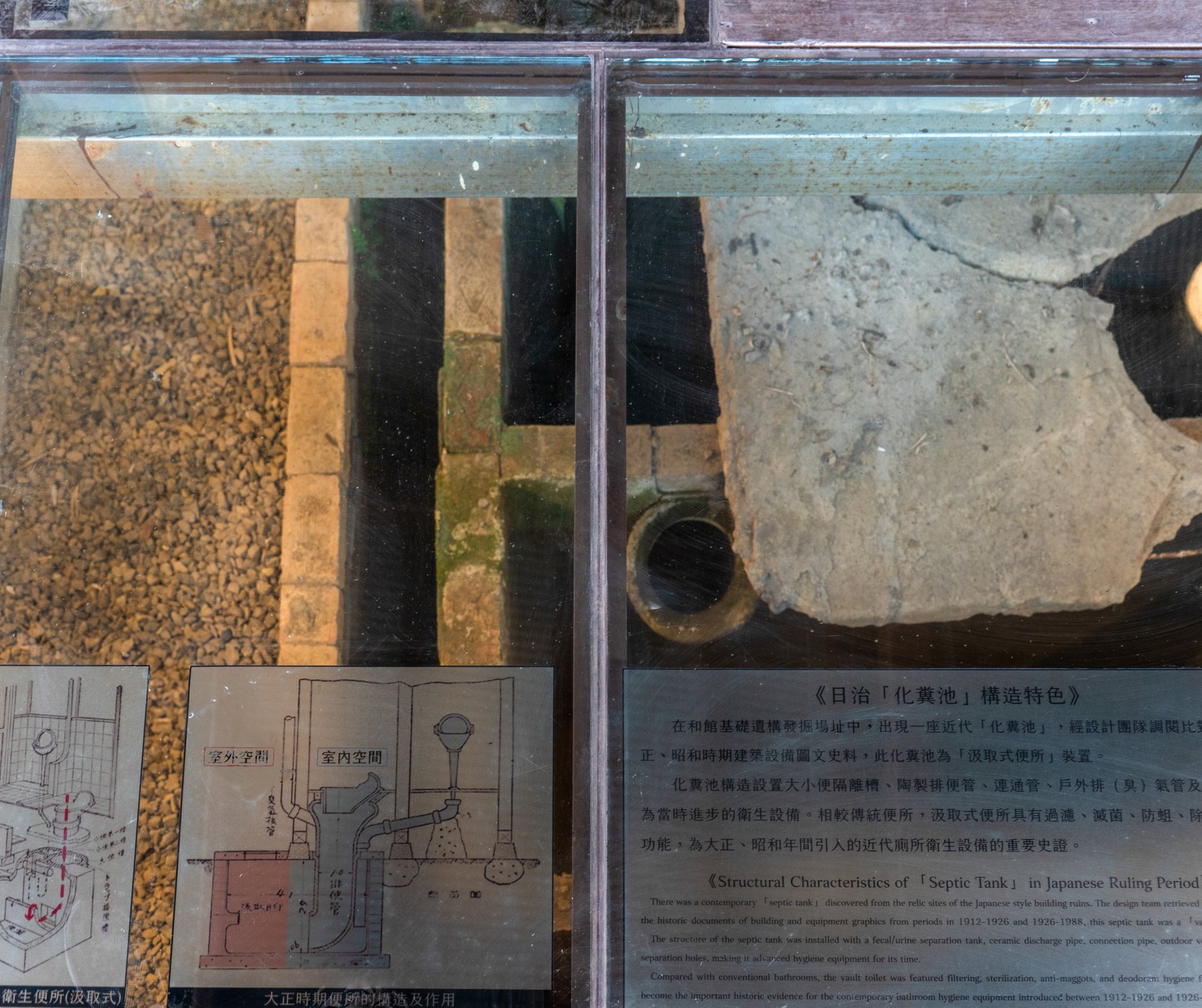
旭丘指揮所是一棟和洋折衷的建築物,根據1935年《臺灣日日新報》的報導,建築物約90多坪,其中洋式設計的松本虎太紀念館,佔41.8坪。在調查、修復的過程中,發現被改建為兵舍的部分區域,原為和式附屬建築,對比1944年美軍空拍照,估量佔地約48.4坪,與該時的報導相符;然而和式建築內部是一大廣間,抑或是三至四個座敷(ざしき,zashiki,日本鋪蓆子的房間)與居間(いま,ima,起居室)組成,有待更多史料考證。修復時,先將既有兵舍建物與洋館連接處切割並拆除,再採以手工挖掘及透地雷達方式,找到和館磚砌地樑基礎,續以鋼構組立基礎構造,修復和館建築,同時保留日治時期TR磚遺構與1950年以後磚造基礎,將不同時代的痕跡一起保存。 地板設計部分用以玻璃地坪,參觀者可利用遺構推測和館過去生活空間配置,不妨低頭一起推敲看看。
附註:
TR磚是臺灣煉瓦株式會社於1915年開始生產的紅磚材料,磚面的「T.R」字樣即臺灣煉瓦株式會社(Taiwan Renga,煉瓦的日文發音為Renga)的縮寫,磚面以網狀凹凸、類似打毛狀的做法,有利於水泥凝結後的黏著力。TR磚是當年的優良建材,價格比其他磚造廠生產的紅磚較昂貴,多被應用於官方機構的建物上,若民宅、私人商行、公司使用,則象徵其財力豐厚。
The Asahigaoka Command Post is a blend of Japanese and Western architectural styles. According to a 1935 report in the Taiwan daily news newspaper, the building covers about 90 ping (approx. 298 m²), with the Western-style Matsumoto Torata Memorial Hall occupying 41.8 ping. During investigation and restoration, it was discovered that the section converted into military barracks was originally the Japanese annex. Comparing with a 1944 US aerial photo, this annex is estimated to cover about 48.4 ping, consistent with historical reports.
However, it remains uncertain whether the interior of the Japanese annex (和館) consisted of one large “hiroma” (広間, open room) or three to four separate tatami rooms called “zashiki” (座敷) and a living room (“ima,” 居間). Further historical research is needed to clarify this.
During restoration, the existing barracks section connecting to the Western building was removed carefully. Then, manual excavation and ground-penetrating radar uncovered the brick foundation of the Japanese annex (和館). Using steel structures, the foundation was rebuilt, preserving both the original 1915-era Taiwan Renga Co. (TR bricks) remnants and the later 1950s brick foundations, thus conserving traces of different historical periods.
The floor design includes glass panels, allowing visitors to view the remains below and imagine the layout of the Japanese annex’s former living spaces. Feel free to look down and explore the site’s spatial clues.
Note on TR bricks: TR bricks were produced by Taiwan Renga Co., Ltd., starting in 1915. The “T.R.” mark on the bricks stands for “Taiwan Renga” (with “Renga” being the Japanese word for brick). The surface of the bricks features a mesh-like texture and a roughened finish, which helps enhance adhesion after the cement sets. TR bricks were high-quality materials, pricier than those from other manufacturers, and were commonly used in official government buildings. When found in private residences or businesses, their presence symbolized the owner’s financial strength.
圖像出處 :蔚藍體驗工作室拍攝。
────────────────────
參考資料:
1. 松本記念館は 旭ケ丘に建つ 貴賓の休泊所に充つ(1935年12月10日)。臺灣日日新報,夕刊2版。
2. 徐裕健建築師事務所(2022)。「歷史建築旭丘指揮所修復工作成果報告書」(未出版報告書)。基隆市文化局。
3. 李乾朗(2003)。台灣古建築圖解事典。遠流出版事業股份有限公司。
4. 高雄市立歷史博物館展覽企劃組(2014)。起厝‧磚瓦諸事會社,高雄文獻,4卷1期,頁141-152。
8. 指揮所屋頂1(清法戰爭) Command Post Roof 1 (Sino-French War)
👉 English Audio Guide: https://keelung-for-a-walk.com/ahl7
Full English text guide is provided below.
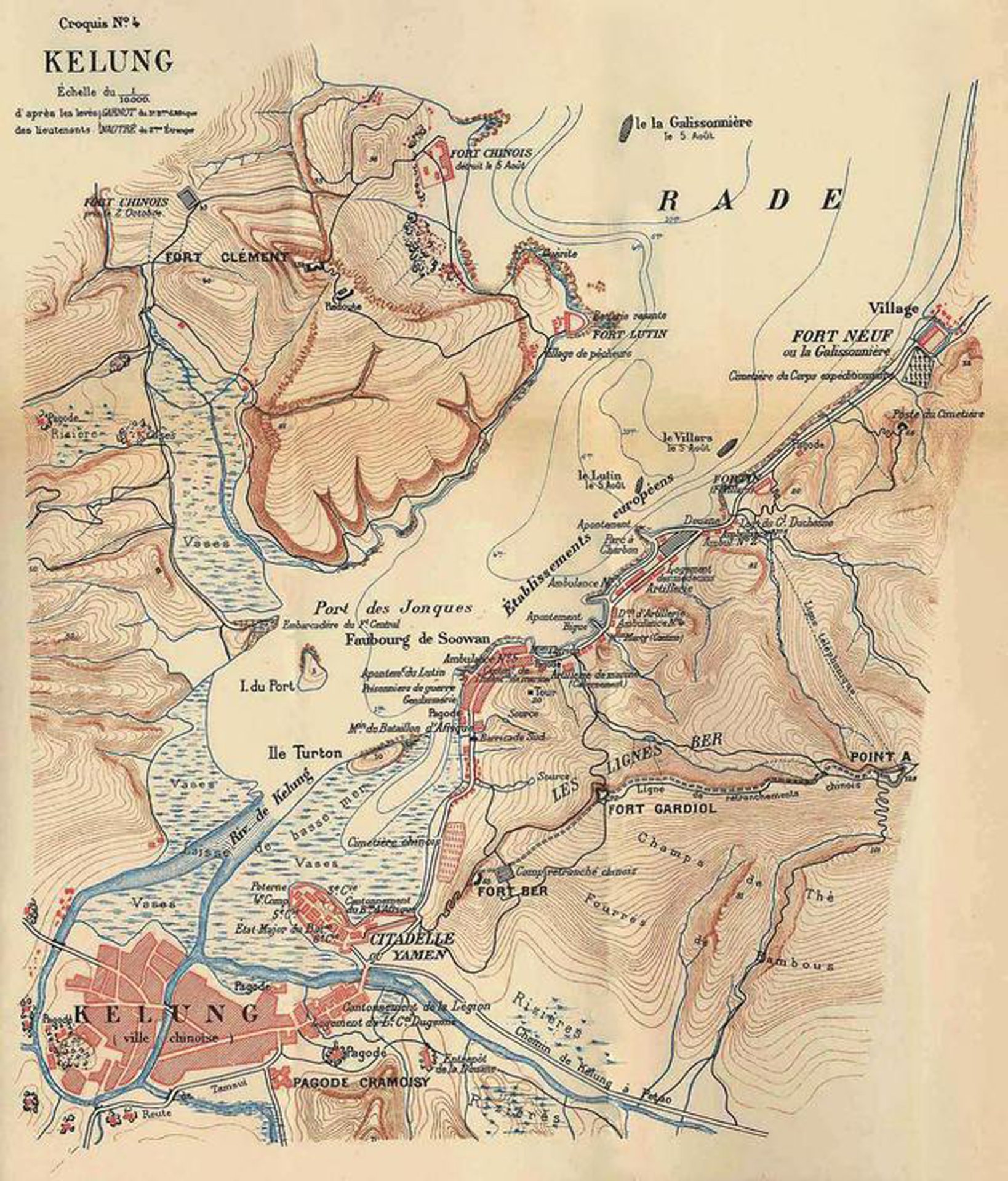
目前位置是旭丘指揮所面海側的屋頂,在這裡要分享19世紀末基隆港經歷的國際戰爭,首先是1884年的清法戰爭。此處位於基隆港東岸高處,是適合觀察港區情勢與防禦的位置,在該時法軍繪製的軍略地形圖與平面地圖中,在旭丘位置標示有清朝設置的砲台,證明清朝政府曾在旭丘設置防禦設施。
1884年8-9月基隆港清、法兩軍攻擊不斷,法軍陸續派船艦攻擊基隆港灣,船艦中Villars是該年最新型式;清軍砲台守備因射程、角度問題,相繼被法軍船艦毀壞。同一時間法軍攻擊淡水,清軍調派兵援往淡水,致使基隆防禦不足,所以同年10月初法軍陸續登陸基隆港西岸,南岸市街等區域,佔領封鎖基隆地區長達半年。至1885年4月,因北臺戰事膠著,法國政府命令攻佔澎湖,而法軍退出基隆轉佔澎湖。透過現場依照過去文獻重製的再現圖,不難想像1884-1885年的基隆港戰火猛烈的景觀。
現今旭丘指揮所南側沙灣地區則規劃為清法戰爭紀念園區,園區內保存有1885年法軍墳墓、1909年臺灣總督府受法國委託所興建的紀念碑、1954年自澎湖移轉至基隆法軍紀念碑,是認識清法戰爭必訪的歷史遺跡。
You are currently on the seaward roof of the Asahigaoka Command Post. Here, we share the history of international conflicts that Keelung Harbor experienced in the late 19th century, beginning with the Sino-French War of 1884. This elevated position on the east side of Keelung Harbor was ideal for observing the harbor’s situation and defenses. Military maps and plans drawn by the French forces at that time mark the location of Qing Dynasty artillery batteries at Asahi Hill, confirming the Qing government’s defensive installations here.
Between August and September 1884, the Qing and French forces repeatedly clashed at Keelung Harbor. The French navy, including their newest vessel Villars, launched continuous attacks. Due to limitations in range and angle, Qing artillery positions were gradually destroyed by French warships. Simultaneously, the French attacked Tamsui, forcing Qing troops to redeploy there and leaving Keelung’s defenses weak. In early October of the same year, the French landed on the west and south shores of Keelung Harbor and occupied the city for nearly six months. By April 1885, as fighting in northern Taiwan stagnated, the French government ordered a takeover of Penghu, prompting the French forces to withdraw from Keelung and move to Penghu. The reconstructed historical maps here help visualize the intense conflict that engulfed Keelung Harbor during 1884-1885.
Today, the southern Shawan area near Asahi Hill is designated as the Sino-French War Memorial Park. It preserves key historical sites including the 1885 French military cemetery, a memorial monument built in 1909 by the Taiwan Governor-General’s Office under French commission, and a French military monument relocated from Penghu in 1954. This site is a must-visit for anyone seeking to understand the history of the Sino-French War.
圖1:1894年出版,法軍所繪製基隆港地圖。
圖2:1844年5月清法戰爭基隆港模擬再現圖。
圖像出處:
1. Garnot(1894)。ENVIRONS DE KELUNG(MAP)取自:https://zh.wikipedia.org/zh-tw/File:Keelung-Garnot-Kelung-1894.jpg。依著作權法第30條規定,本件自1945年起已過著作權法保護年限。
2. 基隆市文化觀光局文化資產科提供。
────────────────────
參考資料:
1. Garnot(1894)。ENVIRONS DE KELUNG(MAP)。
2. 黎烈文譯(1960)。法軍侵臺始末 。臺灣銀行(原著E. Garmet,1894)。https://tm.ncl.edu.tw/article?u=007_115_000180。
3. 紀榮松(2010) 。參與清法戰爭的法國巡洋艦、砲艦和杆雷艇。淡江史學 , 156。
4. 陳政三(2002)。北臺封鎖記:茶商陶德筆下的清法戰爭(原著John Dodd,1888)。原民文化發行。
5. 基隆市文化局(2021)。大基隆歷史場景再現 清法戰爭園區〔網頁〕。.https://greatkeelung.klcg.gov.tw/tw/Dtl/A/H202007280018/W024
9. 指揮所屋頂2(乙未戰爭) Command Post Roof 2 (Yiwei War)
👉 English Audio Guide: https://keelung-for-a-walk.com/rq5u
Full English text guide is provided below.
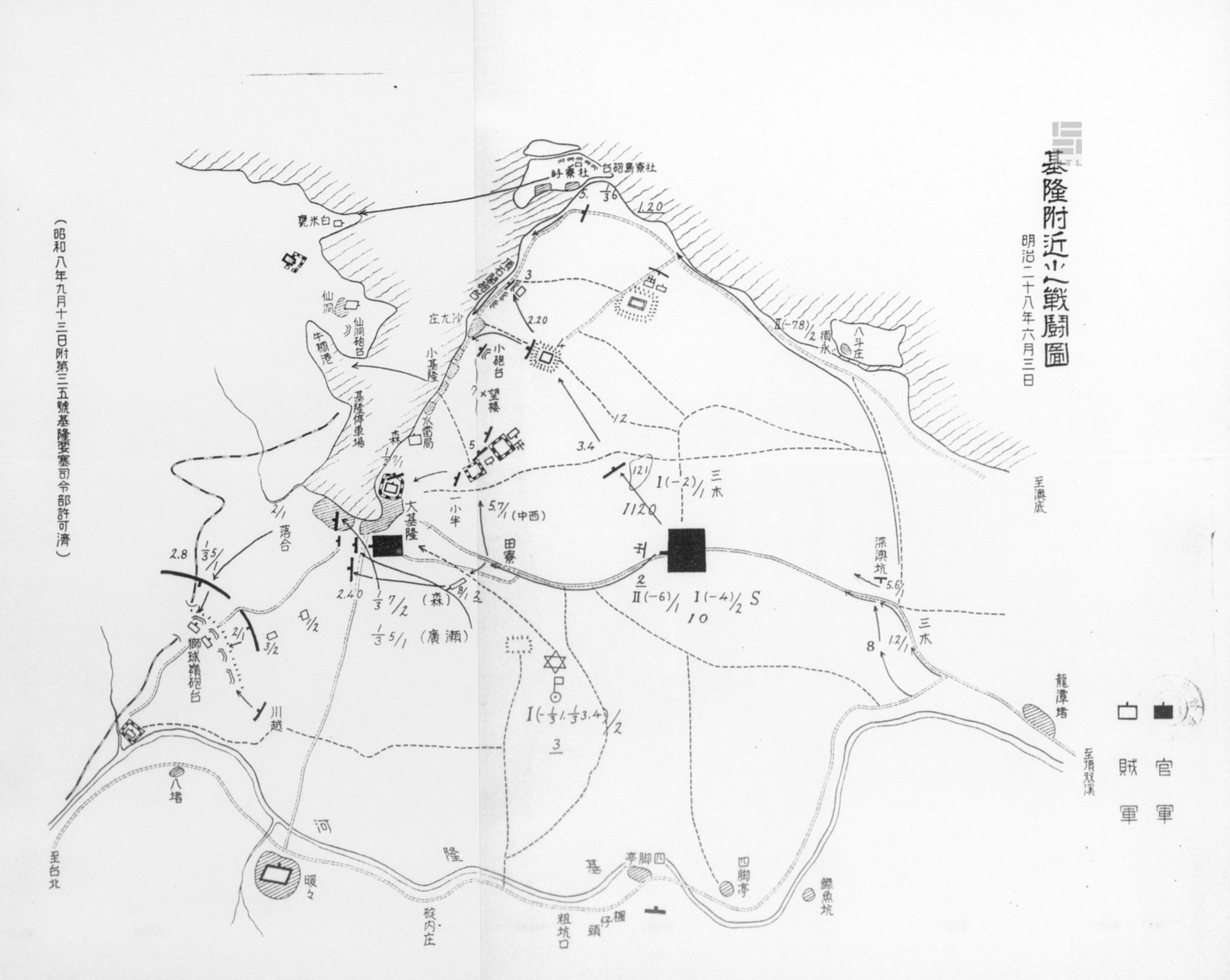
現在屋頂位置是旭丘指揮所面市區山景側屋頂,再來要分享19世紀末基隆港曾經歷的另一場國際戰爭-乙未戰爭。1895年4月清朝與日本簽訂馬關條約,臺灣與澎湖割讓予日本;5月日本依約準備接收臺灣時,因面對島內的武裝反抗勢力,不採取1884年時的法國正面攻擊基隆港的經驗,改從貢寮澳底登陸,直取瑞芳。1895年6月2日,日軍佔領瑞芳後,6月3日清晨利用暖暖、深澳坑、八斗子等3處陸路,及基隆港外海艦隊配合,推進攻擊基隆。當時臺灣反抗兵力除有清朝正規軍外,還有地方鄉勇、團練等,組成多元複雜且無後援,因此6月3日當日,日軍即完成佔領基隆,並在基隆舊海關設立臨時臺灣總督府,準備進入台北。透過現場1933年出版的「明治二十八年六月三日基隆附近之戰鬪圖」可觀察到旭丘周邊區域有望樓、小砲台、頂石閣砲台等防守設施與兵力布置,是重點的軍略防禦位置。現今旭丘指揮所北側不到300公尺距離,現今還存有頂石閣砲台遺跡,此外,旭丘指揮所於修復期間時,在入口處發現一處彈藥庫,其建築材料、工法經學者評估為閩南磚造,疊加日治時期與1945年以後國軍的修葺痕跡,也因此推測這間彈藥庫自清治時期就建造,這個發現更加說明旭丘周邊是基隆百年來關鍵要塞。
You are now on the city- and mountain-facing roof of the Asahigaoka Command Post. Here, we share about another international conflict that Keelung Harbor experienced in the late 19th century—The Taiwan Expedition of 1895 (also known as the Yiwei War).
In April 1895, the Qing Dynasty signed the Treaty of Shimonoseki with Japan, ceding Taiwan and Penghu to Japan. In May, as Japan prepared to take control of Taiwan, it faced armed resistance on the island. Unlike the direct attack on Keelung Harbor by the French in 1884, the Japanese chose to land at Aodi in Gongliao, advancing directly to Ruifang. After capturing Ruifang on June 2, 1895, Japanese forces launched a coordinated attack on Keelung on the morning of June 3 from three land routes—Nuannuan, Shen’ao-keng, and Badouzi—supported by their naval fleet outside Keelung Harbor.
At that time, Taiwanese resistance consisted not only of Qing regular troops but also local militias and volunteer forces, making it a diverse yet unsupported resistance. As a result, the Japanese completed the occupation of Keelung on June 3 and established a provisional Taiwan Governor-General’s Office at the old Keelung Customs to prepare for their advance on Taipei.
A 1933 historical battle map titled “Battle Map near Keelung, June 3, Meiji 28” shows the defensive facilities and troop deployments around Asahi Hill, including observation towers, small artillery batteries, and the Ding-shige Fort, highlighting its strategic importance. Today, less than 300 meters north of the Asahigaoka Command Post, the ruins of Ding-shige Fort still remain.
During restoration, an ammunition depot was discovered at the entrance of the Asahigaoka Command Post. Scholars have identified its construction materials and techniques as Minnan-style brickwork, layered with repairs from the Japanese colonial period and the post-1945 Republic of China military. This suggests the depot was originally built during the Qing era, further confirming Asahi Hill’s role as a vital military stronghold for over a century.
圖1:1933年所出版〈基隆附近之戰鬥圖〉,繪製出1895年時日軍人員配置。
圖2:子彈藥庫位置。
圖3:修復後子彈藥庫。
圖像出處:
1. 基隆市聯合青年團(1933)。北白川宮能久親王御遺蹟地記念碑。基隆市聯合青年團。由國立臺灣圖書館提供。
2. 基隆市文化觀光局文化資產科提供。
3. 蔚藍體驗工作室拍攝。
────────────────────
參考資料:
1. 杉浦和作(1932)。明治二十八年臺灣平定記。著者出版。
2. 日軍參謀本部編,許佩賢譯(1995)。攻台戰紀。遠流出版事業股份有限公司。
3. 許佩賢譯(1995)。攻台見聞:風俗畫報 臺灣征討圖繪。遠流出版事業股份有限公司。原東京東陽堂發行(1895-1896)
4. 基隆市聯合青年團(1933)。北白川宮能久親王御遺蹟地記念碑。基隆市聯合青年團。
5. 基隆市文化局(2023/6/21)。旭丘展顏 風華再現:旭丘指揮所修復紀錄〔影片〕。https://www.youtube.com/watch?v=9WCUk-TDPig
6. 林福隆 (2021) 。近代臺灣的戰爭經驗與記憶(1895~1945)--從乙未割臺戰爭談起。軍事史評論,28期, 5-47。
7. 林福隆(2024)。論清代臺灣之地方武力。軍事史評論,31期, 219-265。
8. 黃秀政(2015)。1895年乙未割臺:臺灣歷史的轉捩點。臺灣學通訊,4。
9. 鍾志正、張健豐(2009)。乙未戰爭研究:你不知道的台灣保衛戰。海峽學術出版。
10. 1950年增蓋兵舍區 1950s Barracks Addition Area
👉 English Audio Guide: https://keelung-for-a-walk.com/hm15
Full English text guide is provided below.
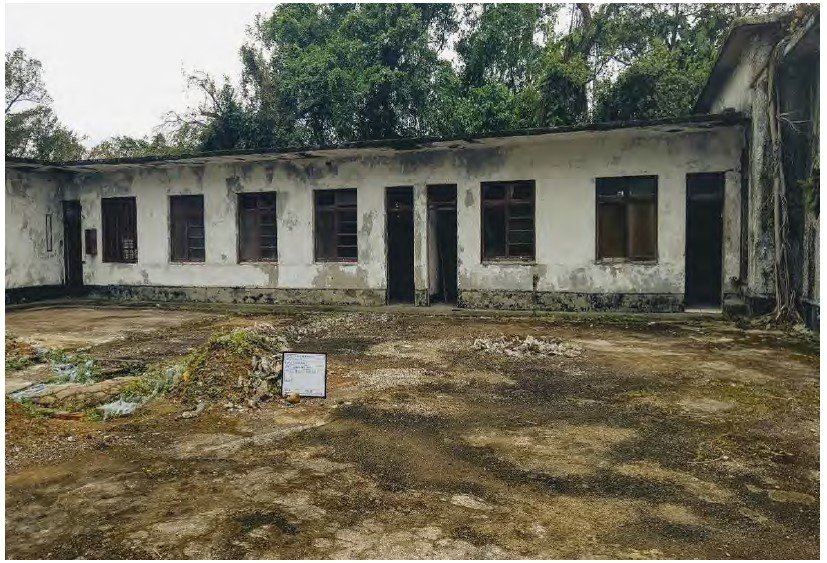
1945年以後,政府將旭丘指揮所延用作為軍事管制區,將原本南側和館建物改建為營舍,並陸續增建東側兩層樓宿舍,在南側軍舍下方再增建供住宿用的營舍,以及廚房、浴廁、化糞池等基礎生活所需空間,另在周邊設有崗哨與掩體等防禦設施,指揮所與軍舍建築所形成的方型廣場,是軍隊集合廣場,形成一處獨立的軍事機構。
在修復的過程中,保留日治時期的松本虎太紀年館和洋混合的風貌,亦將損毀嚴重的軍舍建物以鋼構加固梁柱,補強天花板與牆面,部分兵舍重新磚砌灌漿,重做防水工程,使過去不同時代的痕跡一起保存呈現予大眾,並將建物廊道串聯,增加無障礙與使用空間,增加現代活化再利用的各種可能性。
After 1945, the government continued to use the Asahigaoka Command Post as a military control zone. The original Japanese-style building on the south side was converted into barracks. Subsequently, two-story dormitories were added on the east side, and additional barracks were built below the southern military quarters for accommodation, along with essential facilities such as kitchens, bathrooms, and septic tanks. Surrounding the area were guard posts and defensive shelters. The command post and barracks together formed a square courtyard used as a military assembly area, creating an independent military compound.
During restoration, the mixed architectural style of the Matsumoto Torata Memorial Hall from the Japanese period was preserved. Severely damaged barracks structures were reinforced with steel beams and columns, ceilings and walls were strengthened, and some barracks were rebricked and grouted. Waterproofing was redone to preserve traces from different eras for public appreciation. Corridors connecting the buildings were improved to enhance accessibility and usability, increasing the potential for modern adaptive reuse.
圖1:修復前和館建築
圖2:修復前的兵營營舍
圖3:修復前的廚房、浴廁區
圖像出處:.基隆市文化觀光局文化資產科 提供。
────────────────────
參考資料:
1. 徐裕健建築師事務所(2022)。「歷史建築旭丘指揮所修復工作成果報告書」(未出版)。基隆市文化局。
2. 吳瑞宏建築師事務所(2016)。「基隆市歷史建築旭丘指揮所修復及再利用計畫」(未出版)。基隆市政府。