旗山
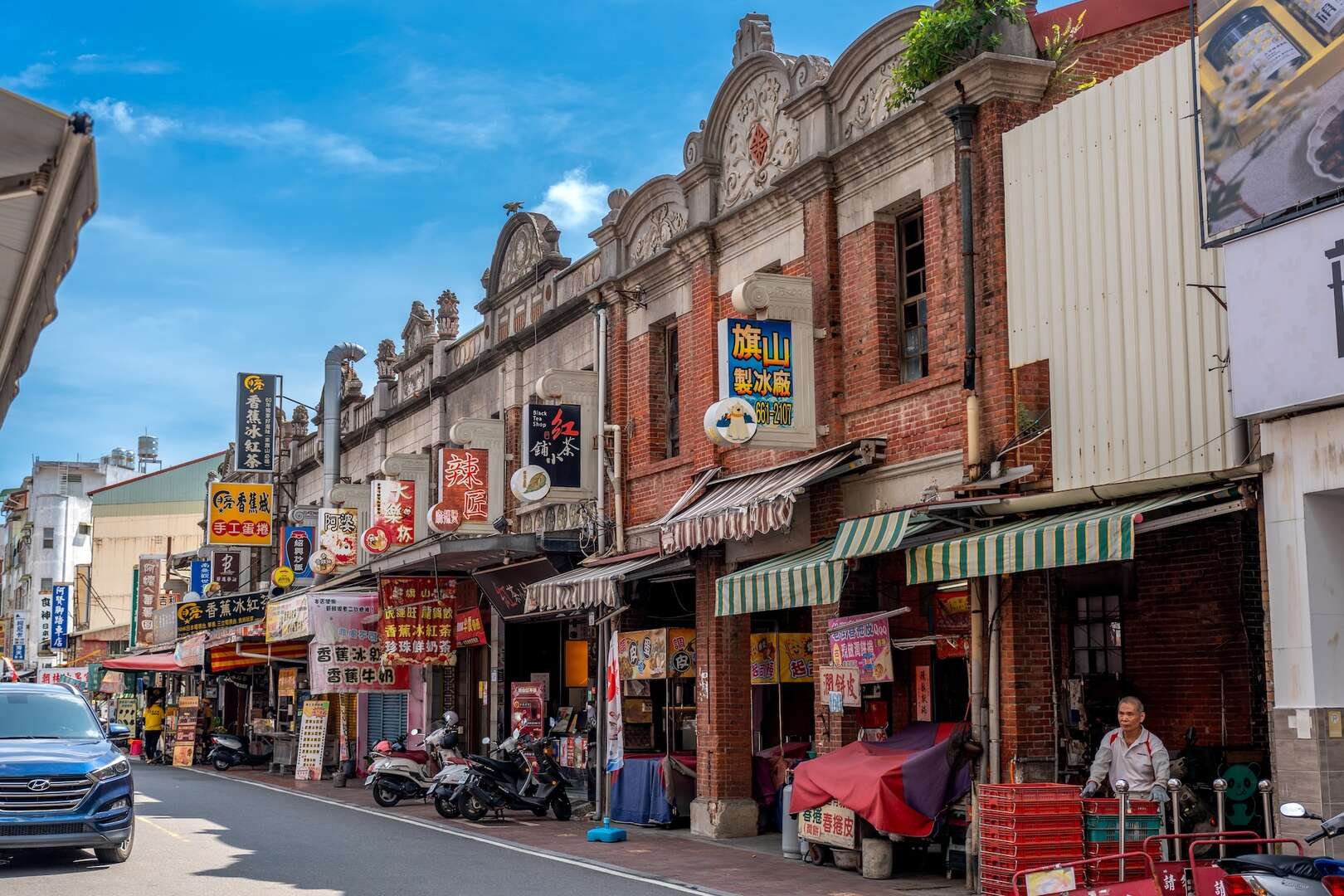
旗山老街
旗山老街 — 清明、大暑
旗山老街完整呈現在地生活與傳統風貌;清明時,氣候轉暖,街區寧靜樸實,農作開始生長;大暑時,天氣炎熱,老街以香蕉與消暑美食,展現南部夏季熱鬧風情。
旗山老街位於高雄市旗山區,是昔日繁榮的商業中心,也是台灣保存最完整的日治時期街道之一。街道呈現傳統的「丁字型」與「口字型」街廓,兩側多為磚造建築,融合閩南與巴洛克式風格。走在老街上,彷彿穿越時光,仍能看到昔日商店的木製招牌與雕花窗櫺。這裡曾是香蕉出口的重要集散地,因此街區內也保留許多與香蕉產業相關的歷史建築。
遊客可以邊漫步邊欣賞街道上的老屋建築,感受濃厚的歷史氣息,同時也能品嘗地道小吃與傳統手工藝品。
Qishan Old Street —Pure Brightness、Major Heat
The old streets of Qishan fully embody local life and traditional charm; during Qingming, the climate warms up, the neighborhoods become tranquil and simple, and agriculture begins to grow; during the scorching heat, the old streets showcase the vibrant summer atmosphere with bananas and cool foods.
Qishan Old Street, located in Qishan District, Kaohsiung City, was once a thriving commercial center and is one of the best-preserved streets from the Japanese colonial period in Taiwan. The street features traditional T-shaped and square-shaped layouts, with brick buildings on both sides blending Hokkien and Baroque styles. Walking along the old street feels like stepping back in time, as you can still see the wooden signs and carved window frames of old shops. It was once an important distribution center for banana exports, so many historical buildings related to the banana industry are still preserved in the area.
Visitors can stroll along the street, admiring the old buildings and immersing themselves in the rich historical atmosphere, while also sampling local snacks and traditional handicrafts.
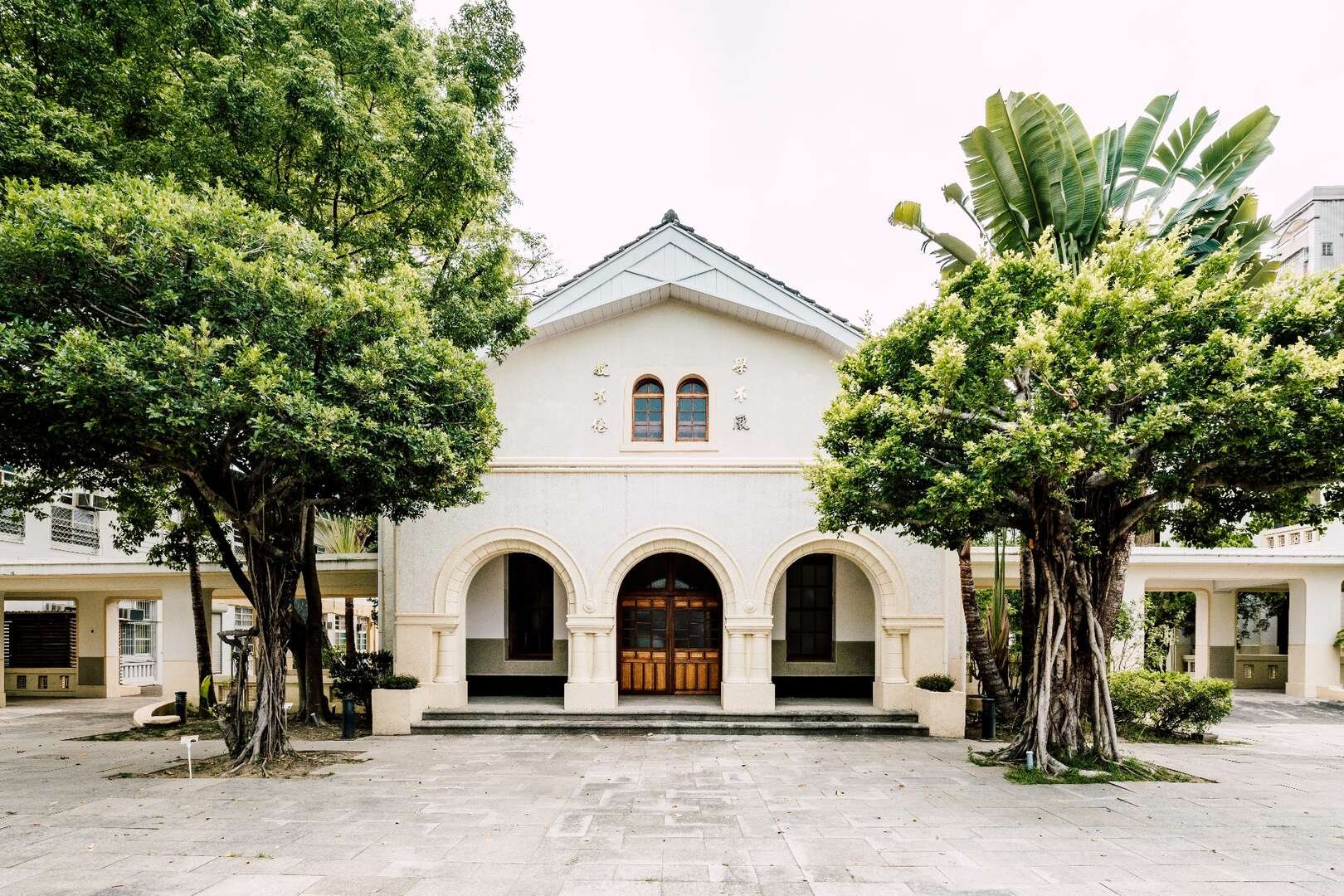
旗山生活文化園區
旗山生活文化園區 —立夏、芒種
旗山生活文化園區完整呈現傳統農村生活樣貌,展示古早農具與建築;在立夏,夏季開始,農事逐漸繁忙;到了芒種,作物成熟,進入收割的重要時期。
旗山生活文化園區位於旗山老街附近,是一個結合歷史、文化、工藝與自然景觀的園區,保留日治時期紅磚建築特色。園區內的傳統工藝展示區展示紙傘、竹編、木雕等手工藝品,這些工藝與農事生活密切相關,例如竹編籃子在穀雨、芒種用來收割作物,紙傘則在雨水季節保護農田與生活用品,遊客還可親手體驗製作小工藝品,感受節氣智慧。生活文化展示區重現旗山人的日常生活,透過農具、老照片和傳統用品,介紹立春、雨水準備播種,驚蟄驅蟲,立夏、小滿灌溉管理,秋分、寒露收割儲糧,立冬整理農具過冬等節氣生活智慧。社區歷史區展示旗山香蕉、甘蔗等農業發展史,節氣影響作物生長與收成,並與地方經濟與文化緊密連結。園區廣場與綠地也常舉辦節氣活動,如春耕祭、秋收體驗與立冬手作工作坊,遊客可親手參與農事與工藝體驗,了解節氣對生活與文化的影響。整個園區將二十四節氣與工藝、生活、農業和文化串聯,讓遊客既能學習知識,也能實際體驗旗山的節氣智慧與生化。
Qishan Life Culture Park—Beginning of Summer、Grain in Ear
The Qishan Life Culture Park fully showcases traditional rural life, showcasing ancient farming tools and buildings; during the Start of Summer, agricultural activities become increasingly busy;arrived at Mangzhong , it's time for planting and harvesting.
The Qishan Life Culture Park is located near Qishan Old Street and combines history, culture, craftsmanship, and natural scenery, preserving the characteristics of red-brick architecture from the Japanese colonial period. The traditional craft exhibition area within the park showcases paper umbrellas, bamboo weaving, and woodcarving, which are closely related to agricultural life. Bamboo baskets are used for harvesting crops during the rainy season, while paper umbrellas protect farmland and household items. Visitors can also experience making small crafts firsthand. The Life Culture Exhibition Area recreates the daily lives of the Qishan people through farming tools, old photos, and traditional supplies, introducing wisdom for spring planting, insect control, summer and summer irrigation, autumn equinox harvesting and grain storage, and winter preparation. The community historical area showcases the agricultural development history of Bananas, sugarcane, and other crops in Qishan, with solar terms affecting crop growth and harvests, and is closely linked to the local economy and culture. The park square and green spaces also frequently host solar terms such as spring plowing festivals, autumn harvest experiences, and winter handicraft workshops, where visitors can personally participate in agricultural and craft experiences to understand the impact of the solar term on life and culture. The entire park connects the twenty-four solar terms with craftsmanship, life, agriculture, and culture, allowing visitors to learn knowledge while also experiencing the solar wisdom and lifestyle culture of Qishan firsthand.
旗山糖廠
旗山糖廠 —冬至、小寒
旗山糖廠呈現早期製糖產業的歷史;在冬至,甘蔗成熟,糖廠進入製糖旺季;到了小寒,天氣寒冷,製糖作業持續進行,展現糖業繁忙景象。
旗山糖廠周邊原本廣種甘蔗,甘蔗的栽培與收成都與節氣密切相關。立春和雨水,正是農民開始整地、準備播種甘蔗的時節;驚蟄時,田間害蟲開始活動,農民要注意防治;到了立夏和小滿,甘蔗進入旺盛生長期,需要灌溉與管理;秋分和寒露,甘蔗成熟,是主要收割時節,糖廠開始製糖加工,將收成轉化為成品;立冬和大雪,農忙結束,糖廠與農田進行整理、維護,準備迎接下一個生產周期。
園區內的老糖廠建築、機具展示區可以看到傳統榨糖與製糖流程,遊客可以想像在各個節氣中,農民和糖廠工人如何配合季節安排收割與製糖工作。糖廠不只是工業建築,也是反映節氣與農業生活智慧的場所。
透過這樣的觀察,我們可以了解二十四節氣不只是時間的標記,而是真實影響甘蔗種植、收成與糖業經濟的重要依據,也讓我們看到旗山在農業與糖業文化上的歷史價值。
Flag Mountain Sugar Factory — Winter Solstice、Minor Cold
The Qishan Sugar Factory showcases the history of early sugar production; during the Winter Solstice, sugarcane matures and enters its peak sugar season; with mild cold weather, sugar production continues, highlighting the busy nature of the sugar industry.
Originally, sugarcane was widely cultivated around the Qishan Sugar Factory, and its cultivation and harvest are closely related to the solar term. Spring and rain are when farmers start tilling the land and preparing to plant sugarcane; during winter and winter, field pests begin to thrive, requiring irrigation and management; during autumnal and cold dew, sugar mills start sugar processing into finished products; after winter and heavy snow.
The old sugar factory buildings and equipment exhibition area within the park showcase traditional sugar pressing and production processes, allowing visitors to imagine how farmers and sugar factory workers coordinate harvesting and production during various solar terms. The sugar factory is not just an industrial building; it is also a place that reflects the wisdom of solar terms and agricultural life.
Through such observations, we can understand that the twenty-four solar terms are not just markers of time, but significant factors truly influencing sugarcane cultivation, harvesting, and the sugar industry economy, and also highlight the historical value of Qishan in agriculture and sugar culture.
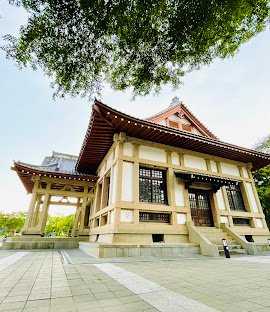
旗山武德殿
旗山武德殿—驚蟄
「驚蟄」象徵春雷乍響、萬物甦醒,是自然界由靜轉動的重要時刻。
旗山武德殿建於日治時期,原為武術與劍道練習場所,
是當時培養身體素質與精神紀律的重要空間。
建築以木造結構為主,設計簡潔莊重,呈現日本傳統武道精神。
武德殿不僅是歷史建築,更象徵當代對於身心平衡與自我修養的重視。
Corresponding solar terms | Awakening of Insects
"Awakening Insects" symbolizes the sudden sound of spring thunder and the awakening of all things, marking a crucial moment for nature to move from stillness.
The Qi Mountain Martial Virtue Hall was built during the Japanese colonial period and originally served as a venue for practicing martial arts and kendo.
It was an important space for cultivating physical fitness and mental discipline at the time.
The building primarily features wooden structures, with a simple and dignified design that embodies the spirit of traditional Japanese martial arts.
The Wu De Hall is not only a historical building but also symbolizes the contemporary emphasis on physical and mental balance as well as self-cultivation.
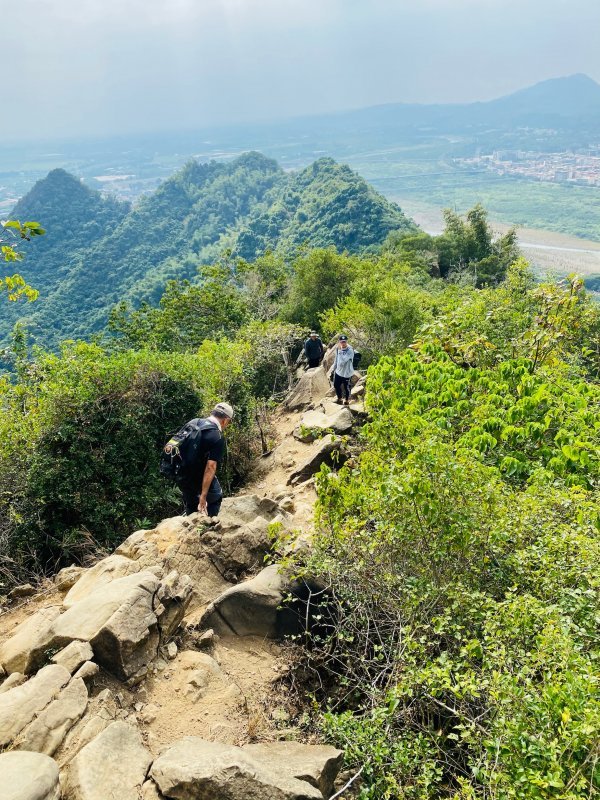
旗尾山登山步道
旗尾山登山步道|秋分・霜降
「秋分」象徵晝夜平分、氣候由熱轉涼,是一年中最平衡的時刻;
「霜降」則代表氣溫逐漸下降,大自然進入收斂與沉澱的階段。
這兩個節氣適合登高望遠,正好呼應旗尾山秋季涼爽、視野開闊的自然特性。
旗尾山位於旗山市區邊緣,是在地居民日常休閒與健行的重要據點。
登山步道沿途植被豐富,可觀察多樣的自然生態景觀。
登頂後可俯瞰整個旗山市區,將人文聚落與自然地景盡收眼底。
旗尾山不只是運動場域,更是一處讓人放慢腳步、親近自然的空間。
Flag Mountain Tail Hiking Trail — Autumn Equinox Frostfall
"Autumn Equinox" symbolizes the equilibrium between day and night, with the climate shifting from heat to coolness, making it the most balanced moment of the year;
"Frostfall" signifies a gradual decrease in temperature, signaling that nature has entered a phase of convergence and precipitation.
These solar terms are suitable for high-altitude viewing, perfectly echoing the natural characteristics of Qiwai Mountain's cool autumn and expansive views.
Qiwai Mountain is located at the edge of Qiwai city center and serves as an important base for local residents' daily leisure and hiking activities.
The hiking trail is lush with vegetation and offers a variety of natural ecological landscapes to observe.
After reaching the summit, you can overlook the entire Qishan city center, offering a panoramic view of both the cultural settlement and the natural scenery.
Flag Tail Mountain is not just a sports field; it is also a space that slows down and draws one closer to nature.
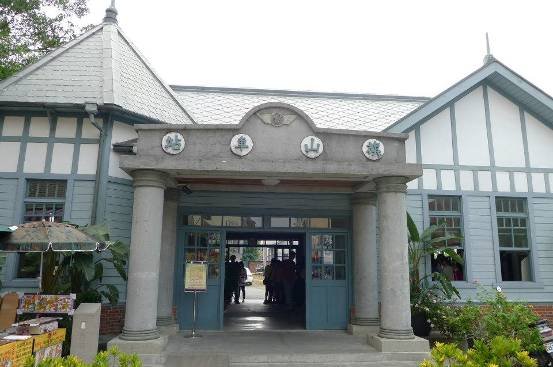
旗山車站
旗山車站|立冬・小雪
「立冬」象徵一年進入休養生息的階段,生活步調逐漸放慢;
「小雪」代表氣候轉涼,但尚未嚴寒,是回顧與沉澱的時期。
這樣的節氣意涵,正好呼應旗山車站所承載的歷史記憶與時代轉變。
旗山車站建於日治時期,過去是糖業與農產品運輸的重要交通節點。
隨著產業型態改變,車站停止營運,現轉型為「旗山故事館」。
透過建築保存與展覽內容,讓民眾重新認識旗山的產業發展與生活故事。
旗山車站象徵地方從繁榮走向轉型的重要歷史過程。
Qishan Station — Beginning of Winter Light Snow
Beginning of Winter symbolizes the year entering a phase of rest and rejuvenation, with life gradually slowing down;
"Little Snow" represents a period of cooling but not yet severe cold, a time for reflection and reflection.
Such solar term connotations Exactly echo the historical memories and transformations carried by Qishan Railway Station.
The Qishan Station was built during the Japanese colonial period and was previously an important transportation hub for sugar and agricultural product transportation.
As the industrial model changed, the station ceased operations and is now transformed into the "Qishan Story Museum".
Through architectural preservation and exhibition content, we help the public rediscover the story of Qishan's industrial development and life.
Qishan Railway Station symbolizes a significant historical process of transforming the region from prosperity to transformation.