美濃
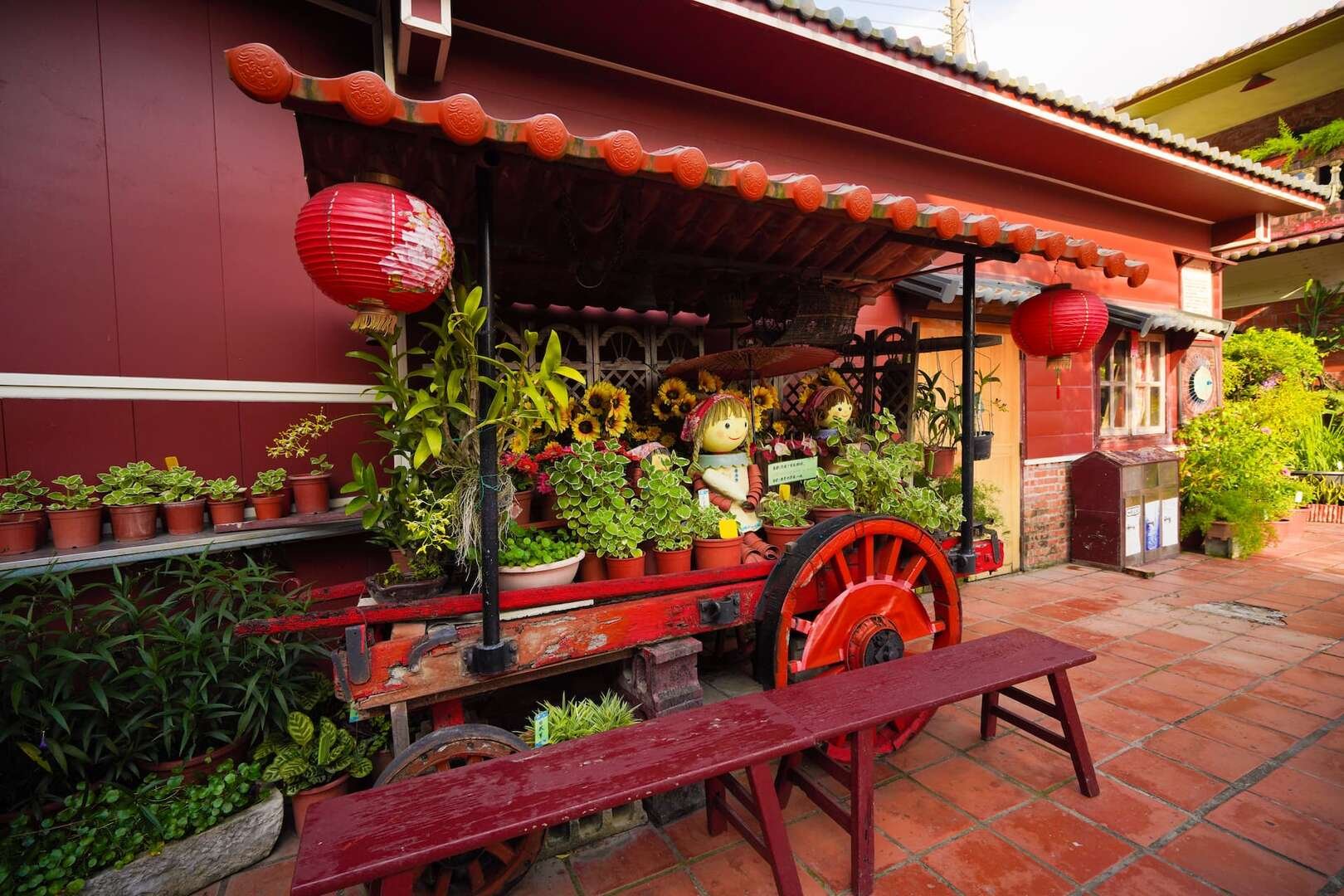
民俗村
民俗村 —
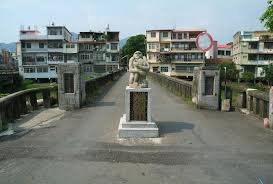
美濃舊橋
美濃舊橋— 小暑、大暑
小暑、大暑是一年中最炎熱的時期,象徵氣溫升高、雨水豐沛。
美濃舊橋橫跨河道,是早期居民往返聚落與農田的重要通道。夏季節氣雨量增加,橋梁在灌溉與交通中扮演關鍵角色,展現客家聚落依水而居、順應自然環境發展生活與農業的智慧。
美濃舊橋位於美濃溪上,是日治時期興建的重要橋樑,當時主要用來連接美濃的聚落與農田,方便居民運送農作物。橋體雖樸實,但結構穩固,見證了美濃早期的交通發展與農業生活。
站在橋上,映入眼簾的是緩緩流動的美濃溪和兩岸的綠意田野,周圍仍保留著傳統農村景象,像是水圳、老宅與稻田,讓人彷彿穿越回過去的客家農村時光。這裡不僅是一座橋,更是一個能夠感受歷史、欣賞自然景觀的地方。
遊客常在橋上散步或拍照,欣賞橋下溪流的倒影,以及橋身與田園交織出的美麗畫面。若遇上節慶或花季,橋附近更會呈現熱鬧的活動與繽紛景象,讓美濃舊橋不只是交通工具,也成為地方文化與自然景觀的重要象徵。
Meinong Old Bridge— Minor Heat、Major Heat
Solar Term
Minor Heat and Maior Heat are the hottest periods of the year, symbolizing rising temperatures and abundant rainfall.
The Meinong Old Bridge spans the river and was an important passage for early residents to travel between their settlements and farmland. With increased rainfall during the summer season, the bridge plays a crucial role in irrigation and transportation, showcasing the wisdom of Hakka settlements in living by the water and adapting to the natural environment in their lives and agriculture.
Introduce
Meinong Old Bridge is located over the Meinong River and is an important bridge constructed during the Japanese colonial period. It was originally built to connect local settlements with surrounding farmland, making it easier for residents to transport agricultural products. Although the bridge has a simple appearance, its solid structure bears witness to the early development of transportation and agricultural life in Meinong.
Standing on the bridge, visitors can enjoy views of the gently flowing Meinong River and the lush green fields along its banks. The surrounding area still preserves traditional rural scenery, such as irrigation canals, old houses, and rice paddies, creating a sense of traveling back in time to a traditional Hakka farming village. The bridge is not only a piece of infrastructure but also a place where history and nature can be experienced together.
Many visitors stroll across the bridge or take photographs, admiring the reflections of the river below and the beautiful harmony between the bridge and the pastoral landscape. During festivals or flower seasons, the area around the bridge becomes even more lively and colorful. As a result, Meinong Old Bridge has evolved beyond its original transportation function to become an important symbol of local culture and natural scenery.
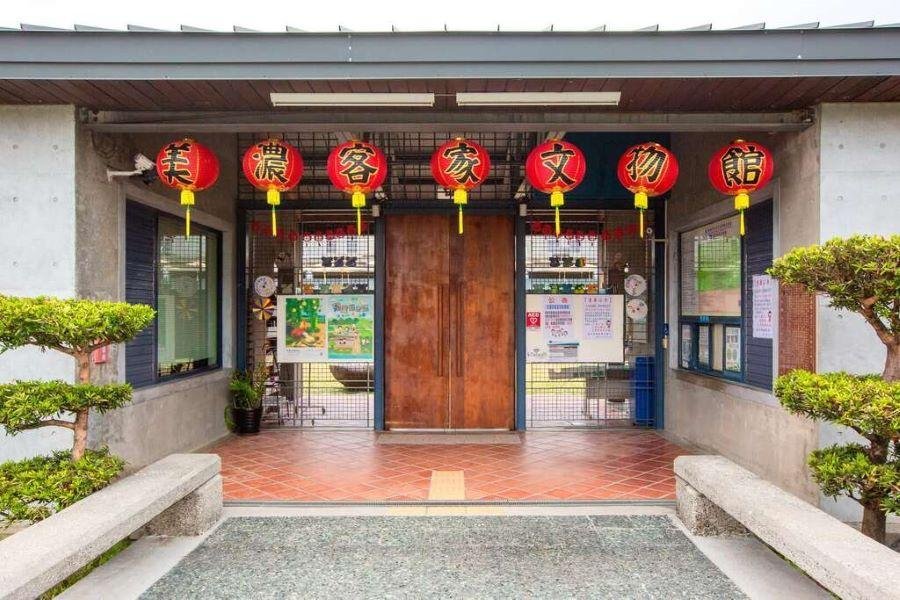
客家文物館
客家文物館 — 春分、立春
立春象徵春天開始,萬物復甦;春分則代表晝夜平衡,農作進入穩定生長階段。
客家文物館透過農耕器具、歲時生活與傳統家庭展示,呈現客家族群依循節氣安排農事與生活的智慧,從迎接春耕到作物成長,展現人與自然和諧共生的客家文化精神。
客家文物館是認識美濃和客家文化的最佳起點。這裡展示了客家人的語言、服飾、農耕工具以及傳統生活用品,從飲食、信仰到建築,都能看到客家族群勤儉、務實又重視家族的特色。像是「藍衫」象徵樸實,「粄食」則代表感恩與分享的精神。
美濃是高雄重要的客家聚落,許多傳統文化仍在這裡延續,例如客語、紙傘工藝、宗族祠堂等,都能在文物館找到脈絡。
Hakka Museum - Spring Equinox、Beginning of Spring
Solar Term
The Beginning of Spring symbolizes the start of spring and the revival of all things; the Spring Equinox represents the balance of day and night, and the entry of crops into a stable growth stage.
The Hakka Cultural Museum showcases the wisdom of the Hakka people in arranging agricultural activities and daily life according to the solar terms through displays of farming tools, seasonal life, and traditional families. From welcoming spring planting to the growth of crops, it demonstrates the Hakka cultural spirit of harmonious coexistence between man and nature.
Introduce
During the Start of the Spring Festival, which marks the beginning of spring and the revival of all things, agricultural activities also commence; and the vernal equinox is a crucial solar term with a mild climate, reflecting the rhythm and natural laws of spring farming.
The Hakka Cultural Museum is the perfect starting point for understanding Meinong and Hakka culture. It showcases the Hakka language, clothing, farming tools, and traditional daily necessities. From food and beliefs to architecture, it reveals the Hakka people's diligence, pragmatism, and strong emphasis on family. For example, the "blue shirt" symbolizes simplicity, while "ban shi" (rice cakes) represent gratitude and sharing.
Meinong is an important Hakka settlement in Kaohsiung, and many traditional cultural practices continue here, such as the Hakka language, paper umbrella craftsmanship, and ancestral halls, all of which can be traced back to the museum.
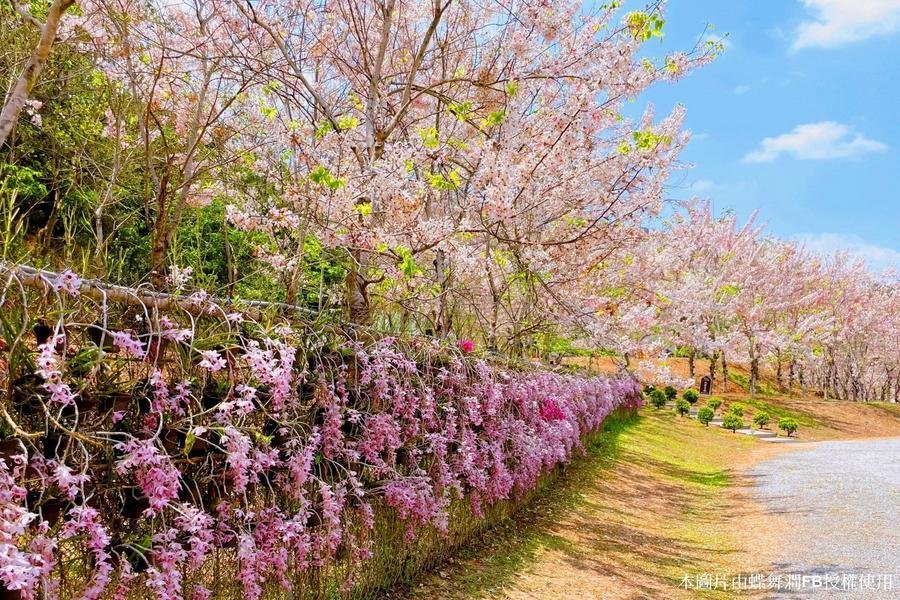
蝶舞澗
蝶舞澗—春分、清明
春分、清明是一年中春季的重要節氣,象徵萬物復甦、生機盎然、氣候回暖與雨水滋潤。
蝶舞澗溪流清澈,山林翠綠,春分時節植物開始旺盛生長,蝴蝶翩翩起舞,象徵春天的平衡與生命力。清明節氣雨水增多,萬物清新滋潤,蝴蝶與溪谷生態更加活躍,呈現自然蘇醒與春季生機,呼應節氣與景觀的互動。
蝶舞澗位於美濃黃蝶翠谷附近,是欣賞蝴蝶的熱門生態步道。這裡因為擁有溫暖潮濕的氣候與豐富植物,成為多種蝴蝶的棲息地,其中最有名的就是「黃蝶」。每年小滿到夏季時,成千上萬的蝴蝶會在山谷間飛舞,形成壯觀的「蝶海」,也象徵大自然最活躍的季節。
客家人長期與山林共生,深信自然與生活密不可分,會透過保育、休耕等方式珍惜環境。蝶舞澗的生態保存,也呈現出客家文化中對土地的尊重與愛護。現在的蝶舞澗不只是觀光景點,更是一個能夠了解自然生態與地方文化的戶外教室。
Butterfly Dance Gorge — SpringEquinox、Pure Brightness
Solar Term
The Spring Equinox and Qingming Festival are important solar terms in spring, symbolizing the revival of all things, vibrant life, warming weather, and nourishing rain.
Butterflies dance in the clear streams and verdant forests. During the Spring Equinox, plants begin to grow vigorously, and butterflies flutter about, symbolizing the balance and vitality of spring. During the Qingming Festival, increased rainfall brings freshness and moisture to all things, making butterflies and the valley ecosystem even more active, showcasing nature's awakening and spring's vitality, echoing the interaction between the solar term and the landscape.
Introduce
Diewu Creek is located near the Huangdie Cuigu Valley in Meinong and is a popular ecological trail for butterfly watching. Due to its warm and humid climate and abundant plants, it has become a habitat for a variety of butterflies, with the most famous being the "yellow butterfly." Every year, from the Grain Full period to summer, thousands of butterflies flutter through the valley, forming a spectacular "sea of butterflies," symbolizing the most vibrant season of nature.
The Hakka people have long lived in harmony with the mountains and forests, believing that nature and daily life are inseparable. They cherish the environment through conservation and fallow practices. The ecological preservation of Diewu Creek also reflects the Hakka culture's respect and care for the land. Today, Diewu Creek is not just a tourist attraction, but also an outdoor classroom where people can learn about natural ecology and local culture.
漫飛悠境 Coffee
漫飛悠境 Coffee— 小暑、處暑
小暑、處暑是一年中夏末的節氣,象徵炎熱達極、氣溫高、雨水充足逐漸減少,氣候由盛夏逐漸過渡到秋季。
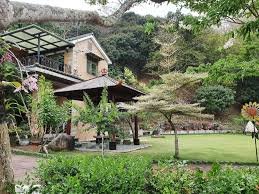
漫飛悠境 Coffee 坐落於山林或田野之間,夏季節氣炎熱時,清涼的咖啡香氣與悠閒環境提供避暑休憩的空間。小暑時節可感受夏日活力,處暑則開始感受到秋意微涼,反映人與自然節氣互動的生活節奏。
漫飛悠境 Coffee 位於美濃山腳下,周圍被田野與綠意包圍,展現美濃特有的慢活氛圍。咖啡館採用木質風格與大面採光設計,讓旅人能在室內欣賞山景,感受自然帶來的放鬆。
店家重視手作與食材品質,呈現出在地居民珍惜土地、注重生活質感的精神。這裡是遊客休息、交流與欣賞景色的好地方,也讓人透過一杯咖啡看見美濃的悠閒與文化魅力。
Roaming Through the Realm一Minor Heat、End of Heat
Solar Term
Minor Heat and End of Heat are the solar terms marking the end of summer, symbolizing the peak of heat, high temperatures, and gradually decreasing rainfall, as the climate transitions from midsummer to autumn.
Manfei Youjing Coffee is nestled among mountains and fields, offering a cool escape and relaxing space amidst the summer heat with its refreshing coffee aroma and tranquil environment. Lesser Heat allows one to feel the vitality of summer, while End of Heat brings the beginning of autumn's coolness, reflecting the rhythm of life in harmony with the changing seasons.
Introduce
Manfei Youjing Coffee is located at the foot of Meinong Mountain, surrounded by fields and greenery, showcasing the slow-living atmosphere unique to Meinong. The café features a wooden décor and large windows, allowing visitors to enjoy the mountain view indoors and feel the relaxation brought by nature. The shop emphasizes handmade items and the quality of ingredients, reflecting the local residents' respect for the land and their focus on a high-quality lifestyle. It is a great place for tourists to rest, socialize, and enjoy the scenery, as well as to experience the leisurely and cultural charm of Meinong through a cup of coffee.
原鄉緣擂茶館
原鄉緣擂茶館 — 大寒、立春
大寒是一年中最寒冷的時節,象徵歲末收尾;立春則代表春天開始,萬物逐漸復甦。
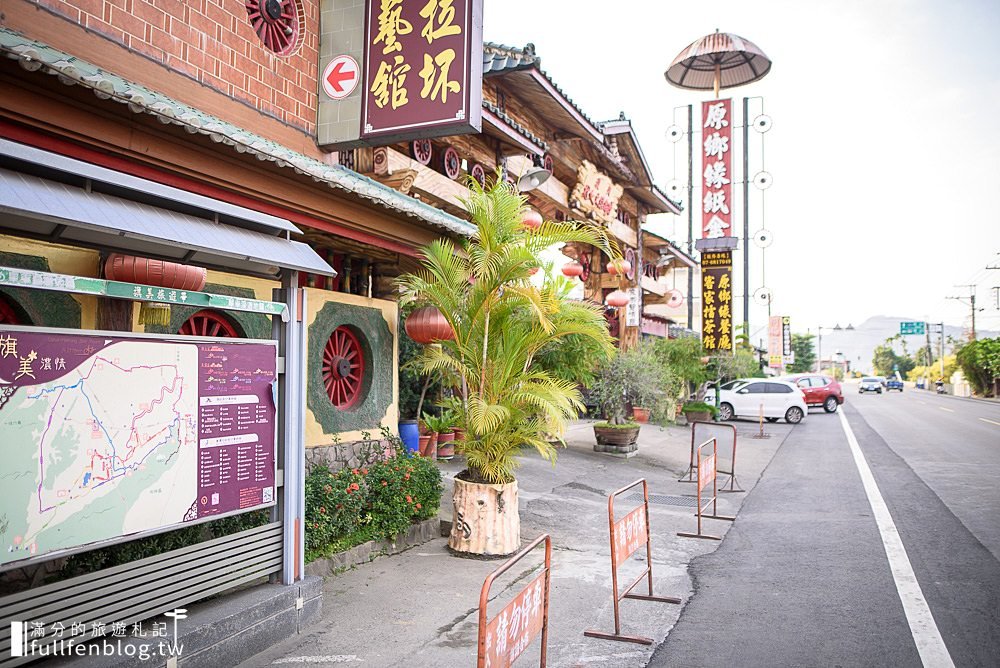
原鄉緣擂茶館以擂茶文化呈現客家飲食智慧,大寒時節適合食用溫熱、滋養的擂茶以禦寒養身;立春則象徵迎新與調養身體,展現客家人透過節氣飲食順應季節變化、延續生活傳統的文化特色。
是高雄美濃體驗客家文化的熱門景點,提供傳統客家擂茶DIY,讓遊客親自研磨茶葉、芝麻、花生等穀物,感受「擂」的樂趣,品嚐養生又香濃的客家飲品,並可了解其歷史與背後的待客之道。擂茶不只可當飲料也可以養生、暖胃的特性,是客家人招待客人的一種傳統款待方式。
Yuanxiangyuan Lei Cha Guan —Great Cold、beginning of spring
Solar Term
The Great Cold is the coldest time of the year, symbolizing the end of the year; the Beginning of Spring represents the beginning of spring, when all things gradually revive.
Yuanxiangyuan Lei Cha Restaurant showcases the wisdom of Hakka cuisine through Lei Cha culture. During the Great Cold season, it is suitable to eat warm and nourishing Lei Cha to keep warm and nourish the body; the Beginning of Spring symbolizes welcoming the new year and conditioning the body, demonstrating the cultural characteristics of Hakka people in adapting to seasonal changes and continuing their life traditions through seasonal diet.
Introduce
It is a popular attraction in Meinong, Kaohsiung, for experiencing Hakka culture. It offers traditional Hakka Lei Cha (pounded tea) DIY, allowing visitors to grind tea leaves, sesame seeds, peanuts and other grains themselves, experience the fun of "pounding", taste the healthy and fragrant Hakka beverage, and learn about its history and the hospitality behind it. Lei Cha is not only a beverage but also has health benefits and warms the stomach, making it a traditional way for Hakka people to entertain guests.