南屯老街 智慧導覽文化走讀
南屯老街 Nantun Old Street
Welcome to Nantun Old Street
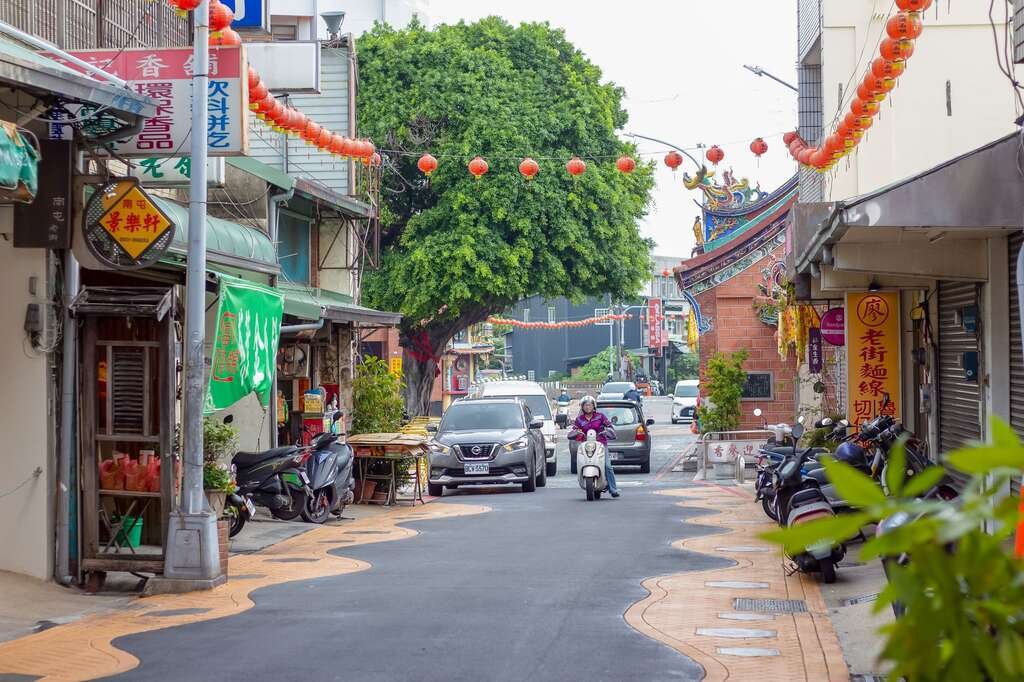
Welcome to Nantun Old Street, formerly known as Leitou Dian Street, one of the oldest streets in Taichung and a truly living community with more than 300 years of history.
During the Qing Dynasty, the area became known for its many blacksmith shops that produced agricultural tools, especially plowshares, which gave the street its former name, “Leitou Dian,” meaning “Plowshare Shop.”
Nantun Old Street later became an important commercial stop along the route from Lukang to the Taichung Basin, playing an important role in the early development of Taichung's agriculture, settlement, and commerce.
Unlike many old streets that have been transformed into tourist attractions, Nantun Old Street still preserves its authentic everyday character. Along the street, you can still find traditional earthen houses, Baroque-style shop houses, blacksmith shops, traditional Chinese medicine stores, and old pastry shops.
People still live here, run businesses, and pass down traditional crafts from one generation to the next.
This is why Nantun Old Street is more than a collection of historic buildings. It is a living historical landscape—a place where history continues to be part of everyday life.
Another symbol of local culture is “Kaka,” the pangolin mascot, which was inspired by the traditional Nantun folk custom known as “Cuan Shan Ling Li.” The pangolin represents the connection between the old street's stories, local beliefs, and collective memories.
As local residents have said:
“The greatest value of Nantun Old Street is not what it has become, but what it has never stopped being.”
萬和宮 Wanhe Temple
Wanhe Temple
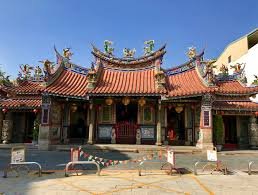
Welcome to Wanhe Temple, one of the most important cultural and religious landmarks in Nantun.
Wanhe Temple is more than a religious center. It is also regarded as the historical starting point of Nantun Old Street.
The temple was founded in 1726, during the Qing Dynasty, and has a history of more than 300 years. It is one of the oldest surviving Mazu temples in Taichung.
According to local history, early settlers from Fujian crossed the Taiwan Strait to develop new farmland. They brought a statue of Mazu from Meizhou with them, hoping that she would protect them during their journey and settlement. As the Leitou Dian settlement gradually developed, local residents and community leaders jointly raised funds to build Wanhe Temple.
For the early residents, Wanhe Temple was more than a place of worship. It was a center for community safety, commercial exchange, and social connection. In this sense, the temple played an important role in transforming Nantun from a pioneering settlement into an established community.
The Legend of “Lao Er Ma”
One of Wanhe Temple's most famous stories is the legend of “Lao Er Ma,” or the Second Mazu.
Unlike most Mazu statues, which are traditionally associated with the surname Lin, Lao Er Ma is believed to have the surname Liao.
According to local legend, during the Qing Dynasty, a woman named Liao Pin-niang from Xitun passed away after an illness. People believed that her spirit became connected with the Mazu statue at Wanhe Temple.
The story became even more famous when Liao Pin-niang's parents visited the temple and reportedly saw tears on the face of the Mazu statue. Local residents interpreted this as a sign that Mazu had revealed herself.
The legend has been passed down for more than two centuries and has become an important part of the shared cultural memory between Nantun and Xitun.
Every three years, the traditional “Lao Er Ma Xitun Homecoming Pilgrimage” takes place. The procession symbolizes Lao Er Ma returning to Xitun to visit her family, connecting religious belief with local history and community identity.
Living Folk Culture
Wanhe Temple also preserves several important forms of intangible cultural heritage.
One of the most distinctive traditions is “Surname Opera.” Families with different surnames take turns organizing traditional opera performances to honor the deities. This rare tradition has been passed down for nearly two centuries.
Another important tradition takes place during the Dragon Boat Festival. Local residents wear wooden clogs and stomp on the ground, creating a loud rhythmic sound. According to local tradition, this awakens the legendary pangolin beneath the earth, encouraging it to turn the soil and help the crops grow.
This tradition is known as “Walking on Wooden Clogs to Awaken the Pangolin.” The pangolin has gradually become a cultural symbol of Nantun and inspired the local mascot “Kaka.”
Architecture and Cultural Heritage
Wanhe Temple also preserves the traditional architectural style of a southern Fujian temple.
The temple follows a traditional layout consisting of the front hall, worship pavilion, main hall, and side corridors. Inside, visitors can still see historical plaques from the Qing Dynasty, as well as detailed wood carvings and stone carvings.
Because of its historical and artistic value, Wanhe Temple has been designated as a municipal historic site by the Taichung City Government.
For visitors, Wanhe Temple is therefore more than a place to pray. It can be understood as a living museum of Nantun's history, preserving the beliefs, traditions, architecture, and everyday life of the community.
The Ma-Sui Cultural Museum
Inside the Wanhe Cultural Building, the Ma-Sui Cultural Museum further connects the temple with Nantun's agricultural and food culture.
The museum introduces the history of the jute industry, traditional Ma-Sui cuisine, local history, and objects from everyday life. These exhibits help visitors understand how Nantun developed from an agricultural settlement into the modern urban community we see today.
Ultimately, Wanhe Temple is not simply a religious landmark.
It is a cultural hub that connects Nantun's history, folk traditions, food culture, and local identity across more than three centuries.
三角街巴洛克街屋 Nantun Triangle Street
Nantun Triangle Street
Welcome to Nantun Triangle Street, one of the distinctive historic sites along Nantun Old Street.
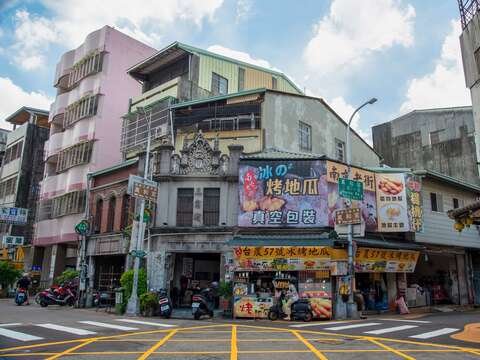
This historic building was constructed in 1932, during the Japanese colonial period. It stands at the intersection of Wanhe Road and Nantun Road, and its unusual location gives the building its name.
Before the surrounding roads were fully developed, this area formed a distinctive triangular-shaped space. Local residents therefore called it “Triangle Street.”
The building itself is a beautiful example of the Baroque-style architecture that became popular during the Japanese colonial period.
Look closely at the façade, especially the central corner of the building. You can see a family emblem featuring the Chinese character “He,” representing the surname of the original owner.
Another distinctive feature is the use of red brick and arched windows. The second floor has a large red-brick façade decorated with elegant arched windows and classical ornamental details, giving the building a strong architectural character.
The building has a distinctive two-winged layout, opening outward from the corner. Although it is nearly a century old, the building is still part of the community's everyday life.
Today, the historic building has been revitalized and is home to local businesses, including Quancheng Seedling Shop and the Triangle Street Humanities Tea House.
The tea house preserves the traditional atmosphere of the old building while introducing visitors to local products and Nantun's food culture. One specialty worth trying is Ma-Sui Tea, a traditional local drink made from jute leaves, known for its slightly bitter yet refreshing taste.
This is what makes Nantun Triangle Street special.
It is not simply an old building preserved for people to look at. Its history continues through the businesses, food, and people who use the space today.
Here, nearly a century of architecture is not frozen in the past—it continues to be part of Nantun's everyday life.
麻芛文化館 Ma-Sui Cultural Museum
Ma-Sui Cultural Museum
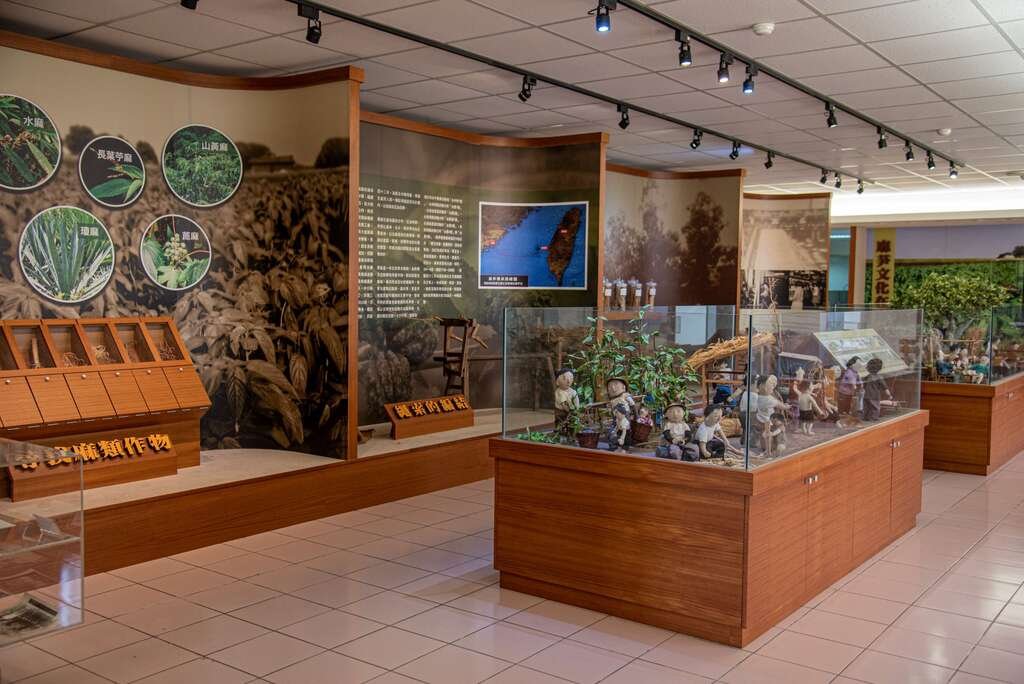
Welcome to the Ma-Sui Cultural Museum, the only local cultural museum in Taiwan dedicated specifically to Ma-Sui culture.
If you want to understand Nantun, you cannot miss Ma-Sui.
Ma-Sui refers to the young leaves of the jute plant, which once grew widely around the area near the Mayuantou River. For generations, this plant played an important role in the lives of the people of Leitou Dian, the former name of Nantun.
The jute plant had two important roles in local life.
Its fibers were made into ropes, supporting the local agricultural economy, while its young leaves were cooked as soup, creating a distinctive local food tradition known as Ma-Sui Soup.
In other words, a single plant supported both the local industry and the local kitchen, creating a unique food memory in central Taiwan.
In 2004, the Wanhe Cultural and Educational Foundation established the Ma-Sui Cultural Museum in Nantun. It became the first privately established local cultural museum in Taichung, preserving a part of Nantun's history that was gradually disappear
Five Exhibition Areas
The museum has five main exhibition areas.
The first is the Nantun Historical Development Area, which introduces the 300-year history of Leitou Dian, including its agricultural development and the process of settlement.
The second is the Golden Age of Jute Area. Here, visitors can learn about traditional processes such as stripping, drying, and making jute fibers into rope. These exhibits reveal the labor and craftsmanship behind a simple piece of rope.
The third is the Ma-Sui Cultural Area, which explains the origins of Ma-Sui Soup and its traditional preparation. You can also discover why the soup has its distinctive slightly bitter taste.
The fourth is the Collection Area, where traditional agricultural tools and everyday objects are displayed. These objects provide a glimpse into the real daily lives of people who lived and worked on this land.
The fifth is the Creative Gallery, which showcases works by local artists, including calligraphy, oil paintings, and ceramics through regularly changing exhibitions.
For visitors, the Ma-Sui Cultural Museum offers more than a story about a plant.
It tells us how one plant became connected to agriculture, industry, food, and the identity of an entire community.
So when you taste Ma-Sui Soup, you are not simply tasting a local dish.
You are tasting more than a century of Nantun's history and the memory of the people who lived from this land.
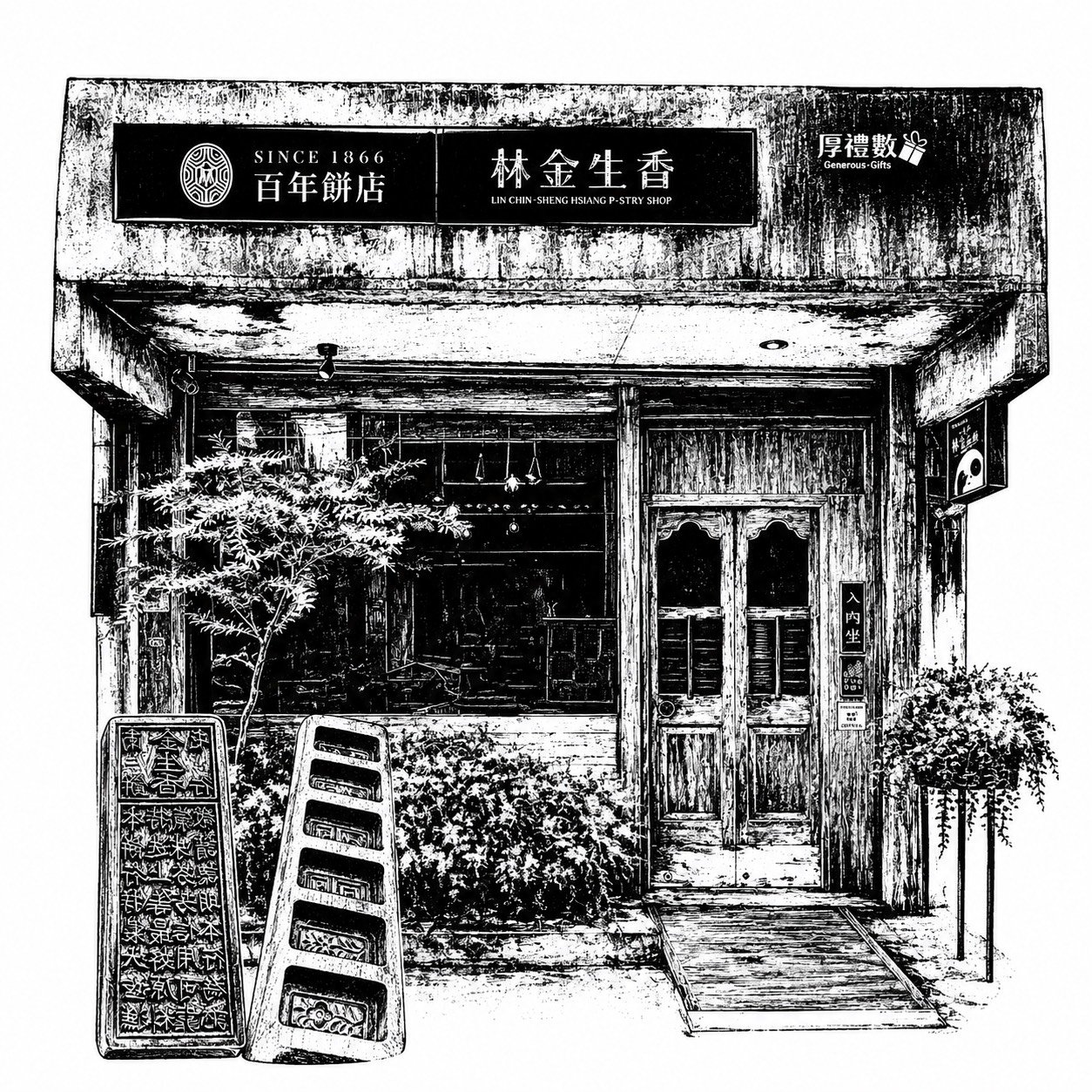
林金生香餅店 Lin Jin Sheng Xiang Pastry Shop
Lin Jin Sheng Xiang Pastry Shop
Welcome to Lin Jin Sheng Xiang, one of the most historic traditional pastry shops in Nantun Old Street.
The shop was founded in 1866, during the Qing Dynasty, and has more than 150 years of history. It is one of the most representative century-old pastry shops in Nantun and an important part of the area's local food culture.
The business originally started by making flour and noodles. From the second generation onward, the family began making traditional Taiwanese pastries, including rice turtle cakes, traditional mooncakes, and festive pastries.
Because of its authentic flavors and traditional craftsmanship, the shop gradually became part of the collective memory of Nantun residents. Older generations still affectionately call the shop “Mian-Gui A-Tu,” a nickname connected to its traditional rice turtle cakes.
After five generations of family succession, Lin Jin Sheng Xiang has become more than just a pastry shop. It is almost like a living record of Nantun's food culture.
The building itself also reflects traditional life in Taiwan. In the past, the family lived upstairs while making pastries downstairs—a common way of life in traditional shop houses. Even today, the shop continues to preserve the handmade techniques passed down through generations.
Preserving Ma-Sui Culture Through Food
One of the most interesting things about Lin Jin Sheng Xiang is the way it combines traditional pastries with Nantun's Ma-Sui culture.
Ma-Sui is made from the young leaves of the jute plant. It was once a traditional summer food in central Taiwan, but the complicated preparation process and its slightly bitter, lingering flavor gradually made it less common in modern households.
To preserve this disappearing local flavor, the fourth-generation owner, Chen Fu-mei, developed new products such as Ma-Sui Sun Cakes and Ma-Sui Zhuangyuan Cakes.
The preparation of Ma-Sui is extremely labor-intensive. About ten kilograms of young jute leaves are carefully picked, repeatedly washed, and cooked. In the end, only about one kilogram of edible Ma-Sui remains.
This means that every pastry represents not only a traditional recipe, but also the land, time, craftsmanship, and labor behind it.
A Taste of Nantun
The Ma-Sui Zhuangyuan Cake is one of the shop's signature products. It is traditionally pressed using a wooden mold, creating a soft and moist texture. The subtle herbal aroma of Ma-Sui blends with the sweetness of traditional pastry, creating a distinctive flavor.
The Ma-Sui Sun Cake combines one of Taichung's best-known pastries with local Ma-Sui culture. It has a light herbal fragrance and a slightly bitter aftertaste, somewhat reminiscent of green tea.
For many younger visitors, these pastries have become an introduction to Ma-Sui culture.
The shop also continues to make traditional pastries such as large ceremonial cakes, traditional festive cakes, and rice turtle cakes, preserving the flavors and craftsmanship of traditional Taiwanese pastry culture.
So when you visit Lin Jin Sheng Xiang, you are not simply buying a souvenir.
You are tasting five generations of family craftsmanship—and a piece of Nantun's living food culture.
南屯公有零售市場 Nantun Public Retail Market
Nantun Public Retail Market
Welcome to Nantun Public Retail Market, located at the heart of Nantun Old Street.
This market is one of the area's oldest and most representative traditional morning markets. For generations, it has served as an everyday shopping center for local residents.
Together with Wanhe Temple, Wenchang Temple, and Nantun Old Street, the market forms an important historic community that reflects the early development of Nantun.
From Leitou Dian to a Living Market
The story of this area can be traced back to the Qing Dynasty.
As agriculture and settlement developed, blacksmiths and agricultural-tool merchants gradually gathered here. The area became especially famous for making plowshares, giving rise to the name “Leitou Dian,” or Plowshare Shop, one of the earliest names associated with Nantun.
The current market building was completed in 1973 and is now managed by the Taichung City Government's Economic Development Bureau.
Although the building has changed over time, the market has retained the authentic atmosphere of a traditional Taiwanese marketplace.
A Taste of Everyday Nantun
As you walk through the market, you will find fresh vegetables, meat and seafood, prepared foods, and traditional grocery stores gathered together.
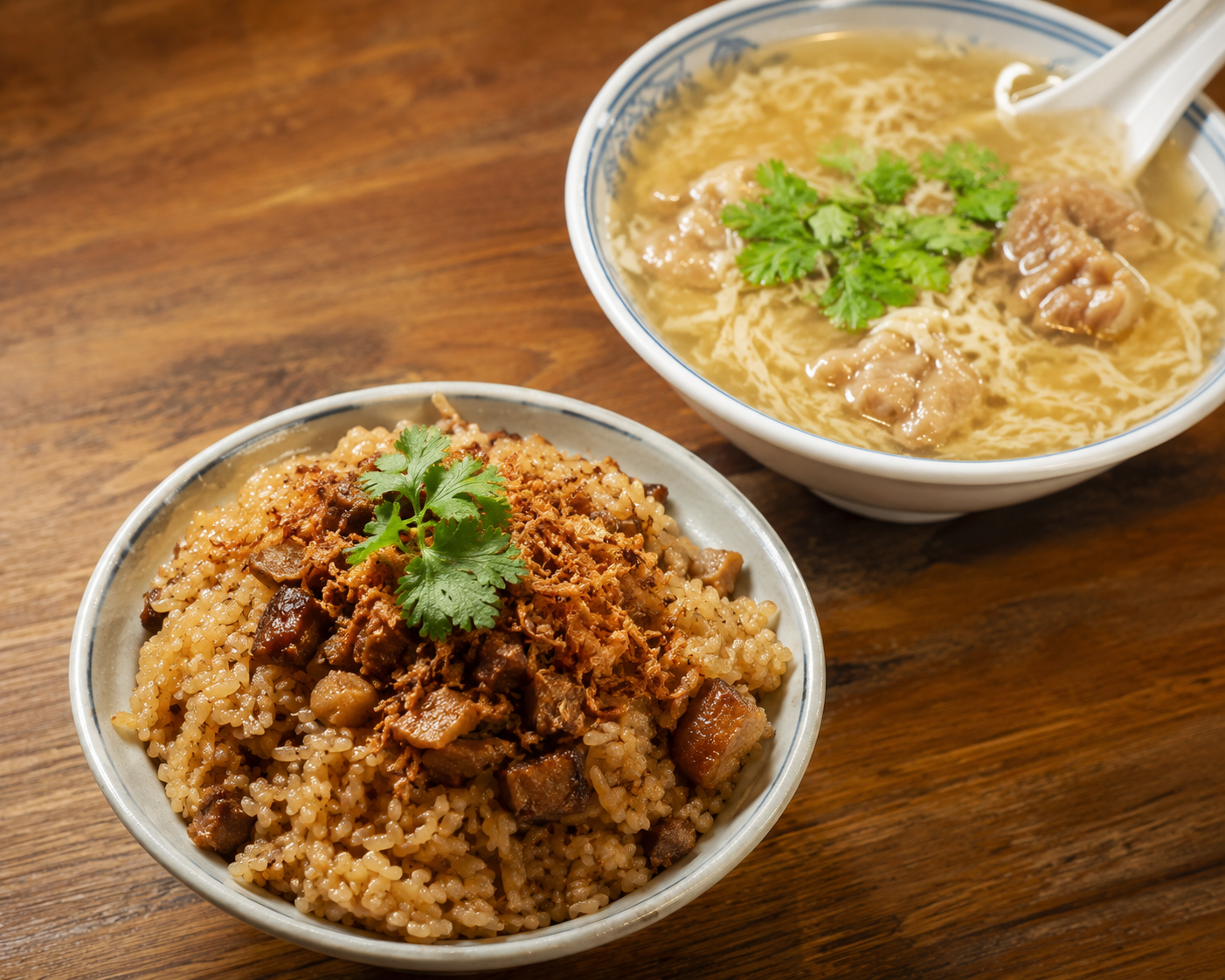
You may also encounter traditional foods such as oil rice, meat soup, and Ma-Sui dishes, carrying flavors that have been passed down through generations.
In recent years, international foods and newer specialty stalls have also joined the market. The result is an interesting combination of old traditions and new influences.
More Than a Marketplace
What makes Nantun Public Retail Market special is that it is much more than a place where people buy and sell things.
It is a living local history book.
Every morning, vendors open their stalls, residents come to shop, and generations of customers return to familiar places. These everyday interactions preserve memories that cannot be found in a traditional museum.
Whether you are a food lover looking for local flavors or a traveler exploring Nantun Old Street, this market offers a chance to experience the human warmth, everyday life, and historical character of Nantun.
Here, history is not something you simply look at—it is something you can hear, smell, taste, and experience every morning.
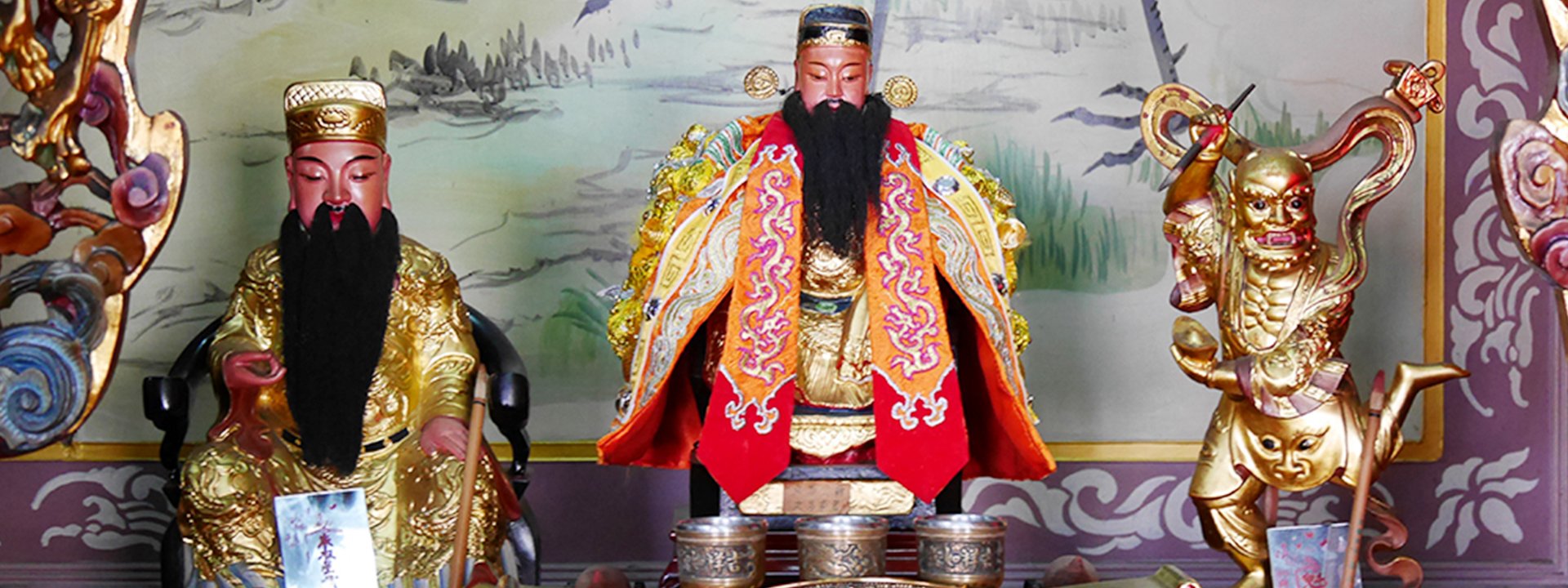
文昌廟 Nantun Wenchang Temple
Nantun Wenchang Temple
Welcome to Nantun Wenchang Temple, located in the heart of Nantun Old Street.
The temple was originally known as Leitou Dian Wenchang Shrine and was founded in 1797, during the Qing Dynasty. It is one of the oldest Wenchang temples in the Taichung area and one of the earliest temples in the city dedicated to Wenchang Dijun, the deity traditionally associated with education, academic achievement, and wisdom.
The temple is located just behind the famous Wanhe Temple. Although it is much smaller than some of Taiwan's large Mazu temples, it has a strong historical identity and is well known for its reputation for bringing good luck in academic examinations.
Today, Nantun Wenchang Temple is officially registered as a Taichung City Historic Building, recognizing its cultural and historical value.
A Temple Built Around Education
The history of Nantun Wenchang Temple is closely connected to the importance that traditional Taiwanese society placed on education and the imperial examination system.
Nantun was once known as Leitou Dian, an important commercial and transportation settlement in central Taiwan. As the community developed, local residents increasingly valued education for the next generation.
They therefore established the Wenchang Shrine to worship Wenchang Dijun, hoping that he would bless local students with:
Success in examinations
Academic achievement
Wisdom and knowledge
The opportunity to pass the imperial examinations
During the Qing Dynasty, Wenchang Dijun was widely regarded as a deity responsible for academic success, official achievement, and intellectual development. Wenchang temples therefore became important symbols of education and local cultural development.
Traditional Architecture
Although Nantun Wenchang Temple is relatively small, it still preserves many characteristics of traditional southern Fujian-style temple architecture.
As you look around the temple, you can observe features such as:
Traditional swallowtail roof ridges
Intricate wood carvings and painted decorations
Traditional stone carvings
Red-brick and wooden structural elements
Compared with larger and more heavily visited temples, the atmosphere here is quieter and more intimate.
There is a strong sense of history and scholarship, which is particularly appropriate for a temple dedicated to education.
A Living Tradition
The temple remains closely connected to modern students and families.
During examination seasons, students and parents often visit the temple to pray for good academic performance and successful examinations.
You may see students bringing their examination documents to the temple, parents praying alongside their children, or groups of students visiting together before important exams.
This creates a distinctive cultural scene that connects an old religious tradition with the lives of young people today.
Traditional Offerings
Visitors may also encounter traditional offerings with symbolic meanings.
For example:
Green onions symbolize intelligence.
Celery represents diligence and hard work.
Buns and rice dumplings are associated with the phrase “passing the exam.”
A Wenchang writing brush symbolizes knowledge and academic success.
The important thing is not simply the objects themselves, but the wishes and hopes that people attach to them.
The Heart of Nantun Old Street
Nantun Wenchang Temple is located within the cultural heart of Nantun Old Street, making it easy to visit together with Wanhe Temple, traditional shop houses, old pastry stores, Ma-Sui food shops, and local restaurants.
Together, these places tell a much larger story about Nantun—from settlement and agriculture to commerce, education, religion, and everyday life.
So, when you visit Nantun Wenchang Temple, you are not simply visiting a temple.
You are visiting a place where nearly two centuries of local hopes for knowledge, education, and a better future are still alive today.
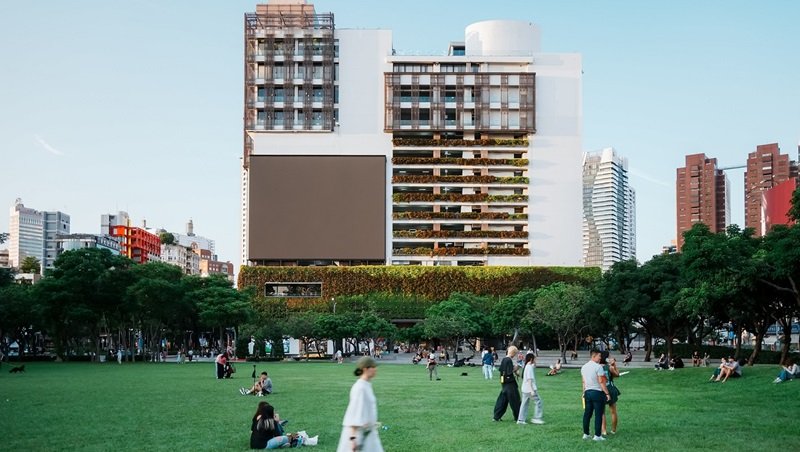
勤美草悟道生活圈 CMP Green Park Lifestyle District
CMP Green Park Lifestyle District
Welcome to the CMP Green Park Lifestyle District, one of the most vibrant urban areas in Taichung.
Located in the heart of the city, this area is centered around Calligraphy Greenway, a long green corridor connecting several important cultural, commercial, and recreational spaces.
What makes this area special is the way urban life and green space come together. Instead of separating parks, shopping areas, restaurants, museums, and cultural spaces, the district connects them through walkable streets and public spaces.
Along the greenway, visitors can find cafés, restaurants, shops, art spaces, and creative businesses. On weekends and holidays, the area often becomes a gathering place for young people, families, artists, and visitors.
The district also reflects the changing lifestyle of Taichung. In the past, urban development was often focused on buildings and transportation. Today, places like Calligraphy Greenway show a different approach—creating spaces where people can walk, relax, socialize, experience culture, and enjoy the city.
For visitors, this is a good place to experience the modern side of Taichung. You don't need to visit a single landmark. Instead, you can simply walk through the area and observe how people use the city.
The real attraction here is not one building—it is the lifestyle created by the entire neighborhood.
CMP Green Park Lifestyle District shows how Taichung has transformed urban space into a place where nature, culture, commerce, and everyday life meet.
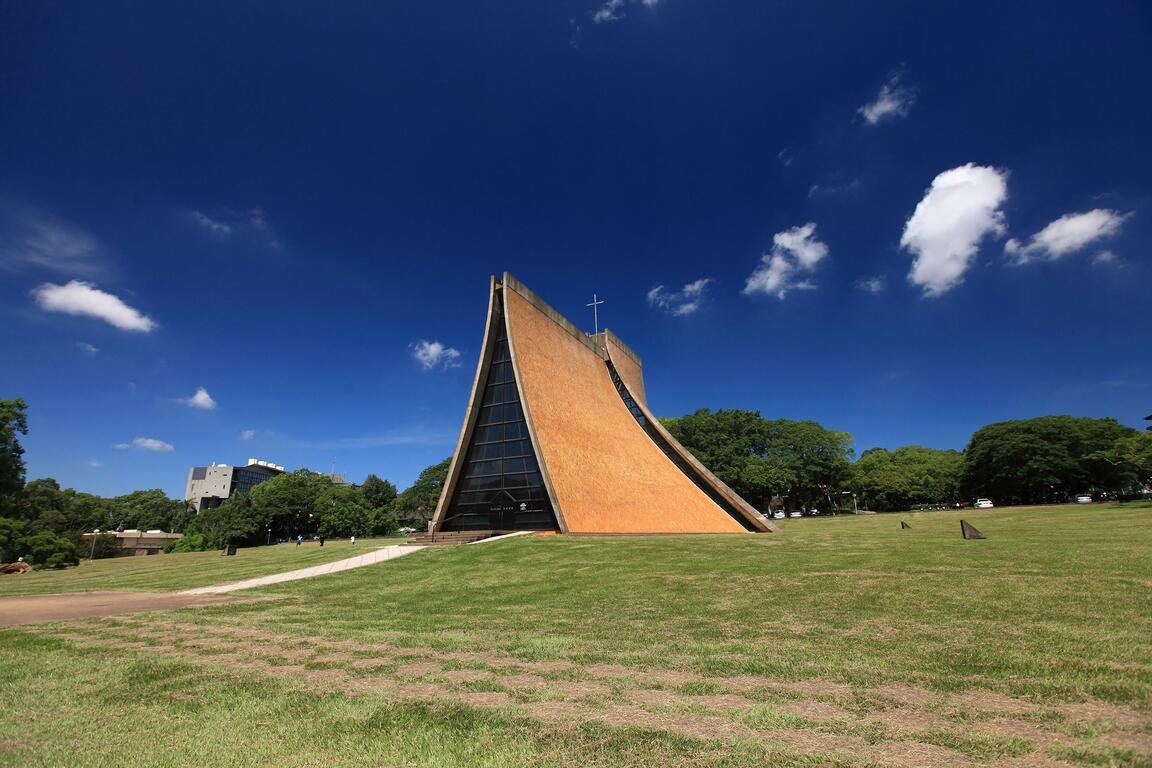
東海大學路思義教堂 Luce Memorial Chapel
The Luce Memorial Chapel, located on the campus of Tunghai University, is a landmark of modern architecture in Taiwan. Designed by renowned architects I.M. Pei and Chen Chi-Kwan, it was completed in 1963. The chapel is famous for its unique curved structure, which symbolizes two hands joined in prayer, blending both structural innovation and aesthetic beauty. The interior is illuminated by natural light, creating a solemn and peaceful atmosphere. The chapel serves as a place for Christian gatherings and is also a must-visit destination for tourists and architecture enthusiasts who seek to experience the perfect harmony of art and spirituality.
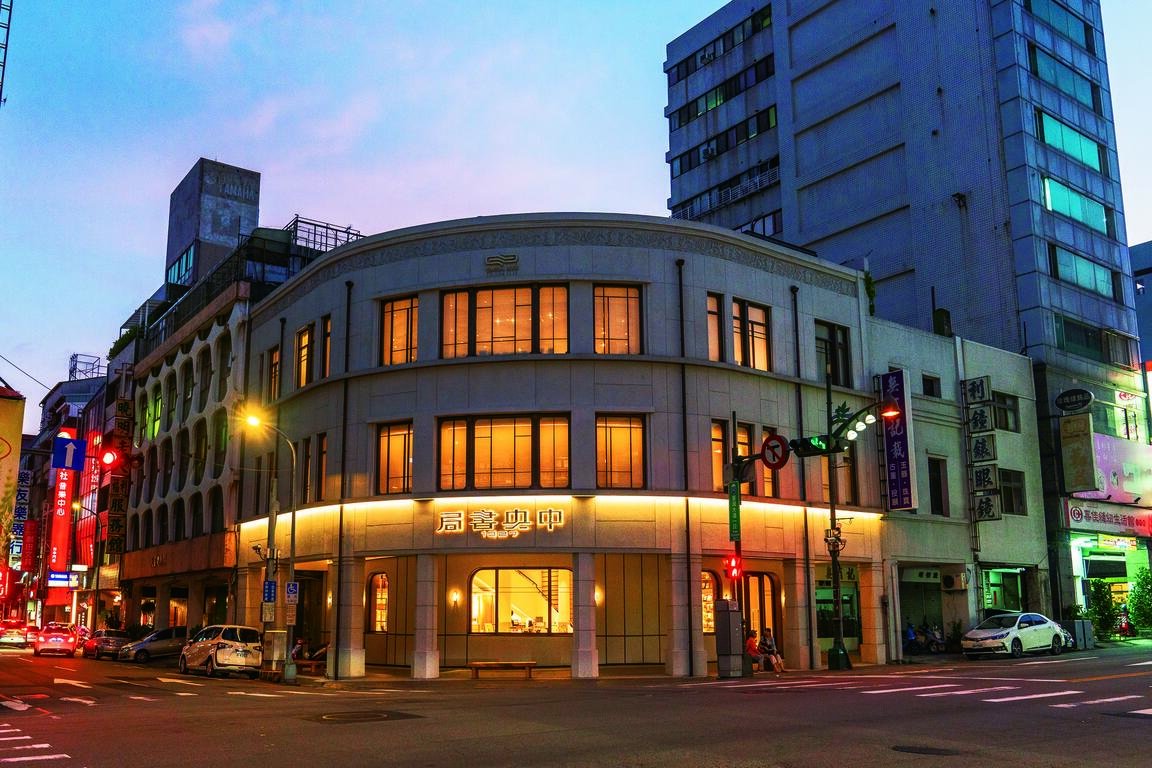
中央書局 Central Bookstore
Central Bookstore
Welcome to Central Bookstore, one of Taichung’s most important cultural landmarks.
Central Bookstore was officially established in 1927 by Chuang Chui-sheng and other Taiwanese intellectuals. It was closely connected with the Taiwanese Cultural Association, an organization that promoted education, culture, and new ideas during the Japanese colonial period.
At that time, Central Bookstore was more than just a place to buy books. It became an important meeting place where writers, intellectuals, and people interested in new ideas could exchange knowledge. It also introduced a wide range of Chinese, Japanese, and Western books to readers in central Taiwan.
The building you see today has a distinctive curved corner design. Its large windows and open interior create a bright and welcoming atmosphere, reflecting the architectural style of its time.
Central Bookstore closed in 1998, after more than 70 years of operation. After years of restoration, it reopened in 2020, bringing its cultural spirit back to the heart of Taichung.
Today, Central Bookstore is not only a bookstore. It is also a place for **reading, exhibitions, cultural events, and community activities.
So, when we look at Central Bookstore, we are not simply looking at an old building. We are looking at a place that witnessed how books, ideas, and culture helped shape modern Taichung.
Central Bookstore is not just a place where people bought books. It was a place where ideas were exchanged, culture was shared, and a city began to imagine its future
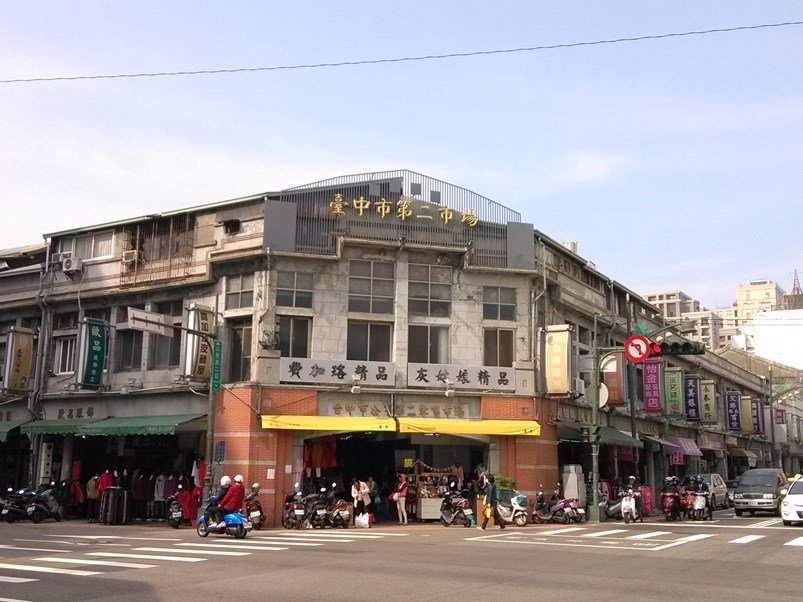
臺中第二市場 Taichung Second Market
Taichung Second Market
Welcome to Taichung Second Market, one of the most historic traditional markets in Taichung.
The market was established during the apanese colonial periodand has been an important part of daily life in the city for more than a century. Unlike a modern shopping mall, this market was designed as a place where people could buy fresh food and interact with local vendors.
One of the most distinctive features of Taichung Second Market is its six-sided layout, which gives the market its unique architectural character. The market was carefully planned around several streets, creating a lively space where different types of shops and food stalls gathered together.
Today, the market is famous for its **traditional Taiwanese food**. Visitors can find dishes such as braised pork rice, noodles, soups, vegetables, and various local snacks. Many of these businesses have been passed down through several generations.
But Taichung Second Market is more than just a place to eat. It represents the everyday culture of Taichung. By walking through the market, you can see how traditional food, family businesses, local communities, and urban history are connected.
For visitors, the best way to experience the market is not simply to take photos. Instead, take a walk through the narrow streets, observe the vendors, listen to the sounds of the market, and try some traditional food.
**Taichung Second Market is a place where history is not displayed behind glass—it is still part of everyday life.**
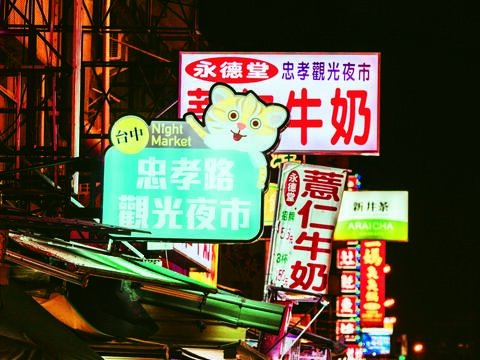
忠孝路夜市 Zhongxiao Road Night Market
Zhongxiao Road Night Market
Welcome to Zhongxiao Road Night Market, one of the traditional food streets in Taichung.
Unlike large modern shopping districts, Zhongxiao Road Night Market is closely connected to the everyday life of local residents. As evening arrives, restaurants and food stalls along the street become busy, creating a lively atmosphere filled with the sounds and smells of Taiwanese street food.
One of the best ways to understand Taiwanese culture is through its food. Here, you can find a variety of local dishes, from rice and noodles to grilled foods, soups, and traditional snacks. Many shops have been serving local customers for many years, making the night market part of the neighborhood's collective memory.
The night market is also a place for social interaction. Families come here for dinner, friends meet after work or school, and visitors explore different kinds of Taiwanese food. In this way, food is not simply something to eat—it also brings people together.
For international visitors, Zhongxiao Road Night Market offers a different experience from visiting a famous tourist attraction. Instead of simply looking at a historic building, you can experience how local people eat, communicate, and spend their evenings.
So, when you walk through Zhongxiao Road Night Market, don't just think of it as a place to find food. Think of it as a small window into the everyday life and food culture of Taichung.
Here, you don't just taste Taichung—you experience how Taichung lives at night.
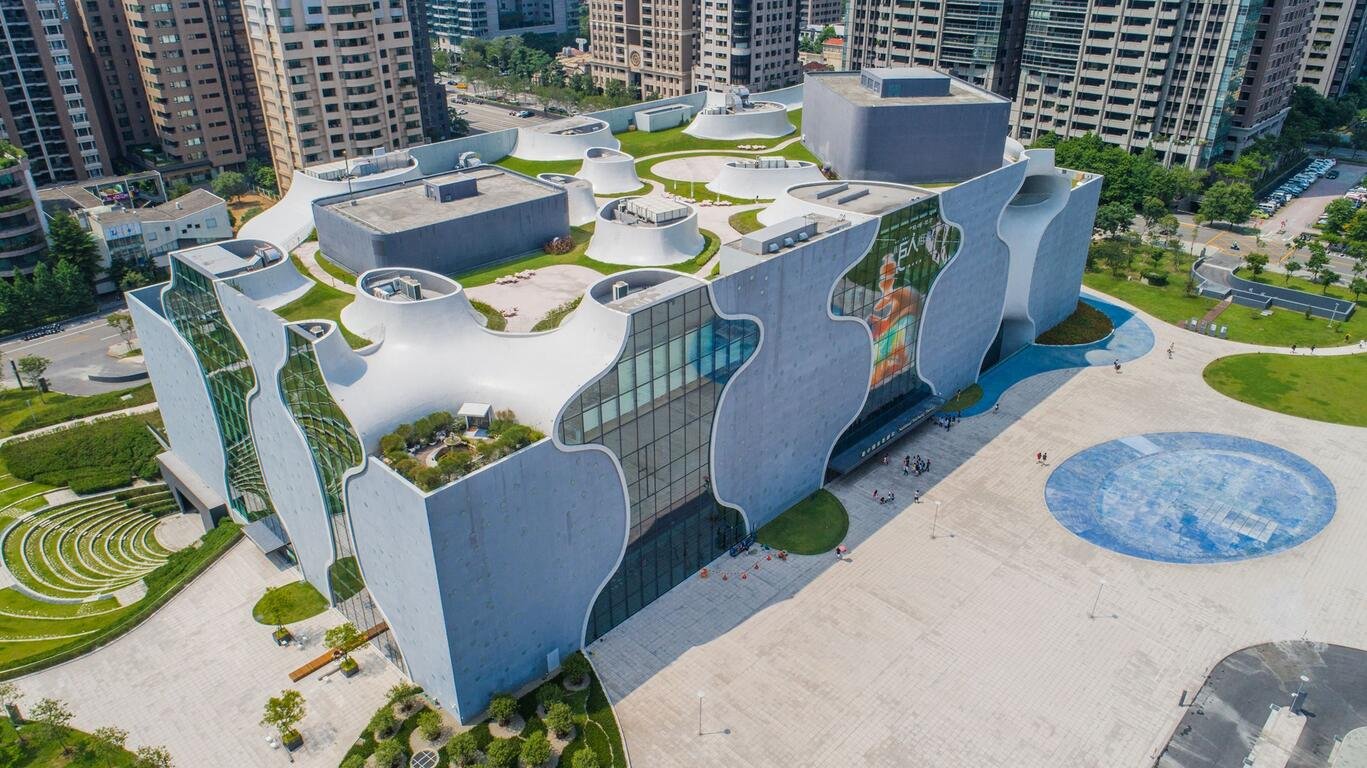
台中國家歌劇院 National Taichung Theater
National Taichung Theater
Welcome to the National Taichung Theater, one of the most distinctive cultural landmarks in Taichung.
The theater officially opened in 2016 and was designed by Japanese architect Toyo Ito. Unlike traditional theaters, this building does not rely on straight lines and sharp corners. Instead, its design is inspired by the natural forms of caves and flowing water.
One of the most remarkable features of the theater is its curved interior spaces. The walls, ceilings, and passageways seem to flow continuously into one another, creating an experience that feels more like walking through a cave than entering a conventional theater.
The building is not only an architectural landmark but also an important center for the performing arts. It hosts operas, concerts, theater performances, dance productions, and other cultural events, bringing international and local artists together in Taichung.
The theater also represents the transformation of Taichung into a modern cultural city. Its location in the developing 7th Redevelopment Zone connects arts, architecture, commerce, and urban life.
For visitors, the National Taichung Theater is more than a place to watch a performance. It is a place where architecture itself becomes part of the cultural experience.
So, as you walk through the theater, look beyond the stage. Notice the curves, the changing spaces, and the way natural forms have been transformed into architecture.
The National Taichung Theater shows us that a theater is not only a place for performing art—it can also be a work of art itself.
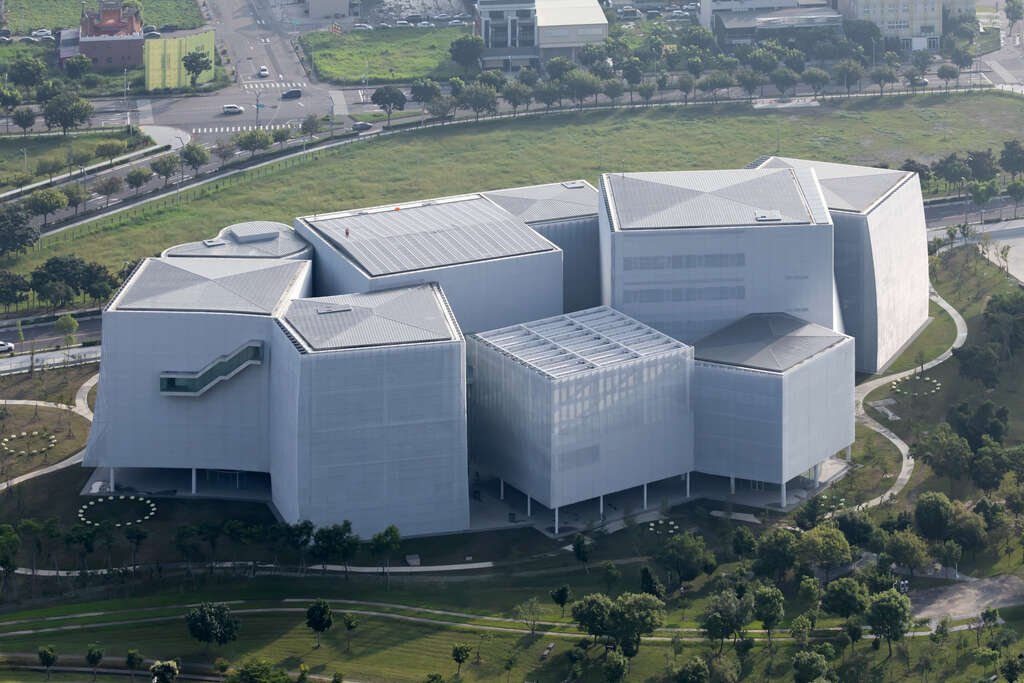
台中綠美圖 Taichung Green Museumbrary
Taichung Green Museumbrary
Welcome to Taichung Green Museumbrary, one of the newest cultural landmarks in Taichung.
The name “Museumbrary” combines Museum and Library, reflecting the unique concept of bringing an art museum and a public library together in one cultural complex.
The complex was designed by the Japanese architectural firm SANAA, founded by architects Kazuyo Sejima and Ryue Nishizawa. Instead of creating a conventional building with clear boundaries, the architects designed a series of open and connected spaces, allowing visitors to move naturally between the museum, library, and surrounding landscape.
The word “Green” is also an important part of the concept. The building is surrounded by trees, gardens, and open public spaces, creating a connection between culture and nature.
Inside, visitors can read, explore exhibitions, attend cultural events, or simply spend time in the public spaces. This makes Green Museumbrary different from a traditional museum or library. It is designed as a place where people can learn, experience art, relax, and interact with the city.
For Taichung, Green Museumbrary represents a new approach to urban culture. Instead of separating art, knowledge, and everyday life, it brings them together in one shared environment.
So, when you visit Green Museumbrary, don't think of it simply as a museum or a library.
It is a place where art, knowledge, nature, and everyday life come together.
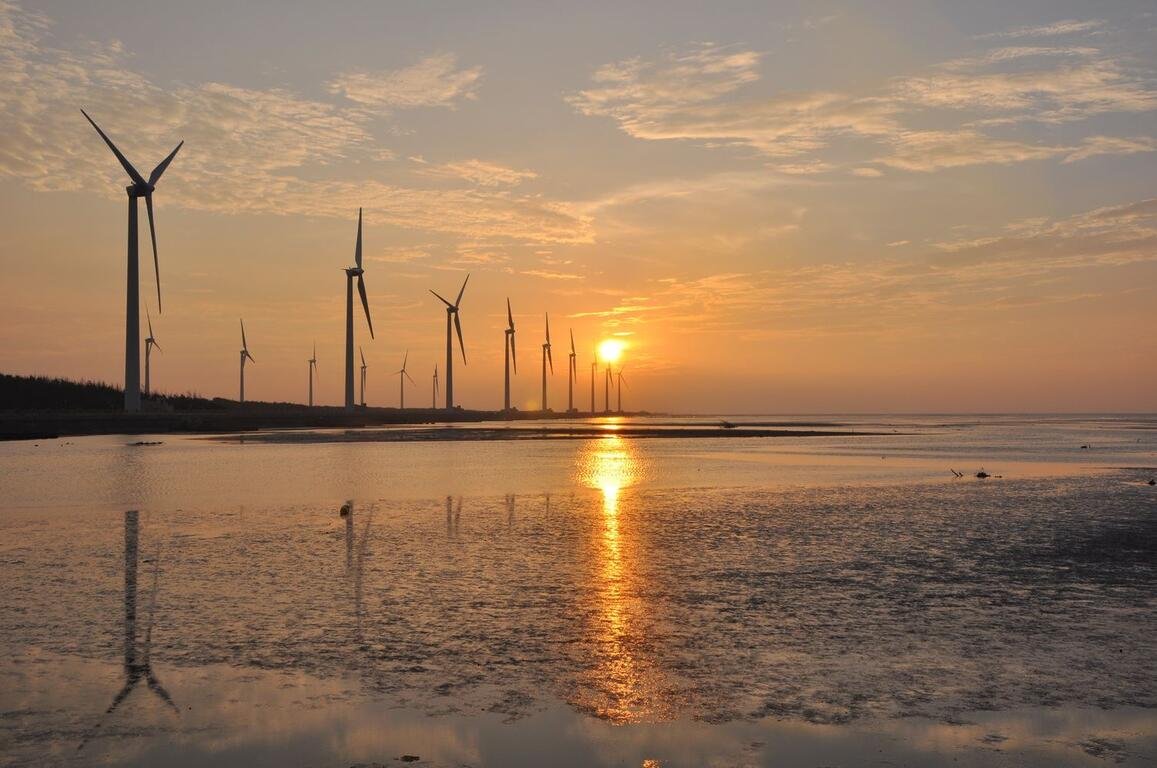
高美濕地 Gaomei Wetlands
Gaomei Wetlands
Welcome to Gaomei Wetlands, one of the most famous natural landscapes in Taichung.
Located along the western coast of Taichung, Gaomei Wetlands is an important coastal ecosystem where the land meets the sea. The area includes mudflats, wetlands, and coastal vegetation, creating an ideal environment for many species of wildlife.
One of the most special features of Gaomei Wetlands is its importance to migratory birds. During migration seasons, many birds stop here to rest and search for food. The wetlands therefore play an important role in Taiwan's coastal ecosystem.
Gaomei Wetlands is also famous for its spectacular sunsets. When the tide is low, the wetland can reflect the sky and sunlight, creating a wide and beautiful landscape. The famous boardwalk allows visitors to experience the wetlands while reducing disturbance to the surrounding environment.
However, Gaomei Wetlands is more than just a beautiful place for taking photographs. It reminds us that coastal areas are living ecosystems that need to be protected.
When visiting, it is important to stay on designated paths, avoid disturbing wildlife, and respect the natural environment.
For Taichung, Gaomei Wetlands represents a different side of the city—one that is not defined by buildings or urban development, but by the coast, wildlife, and nature.
Here, the best attraction is not something we built. It is something nature created.
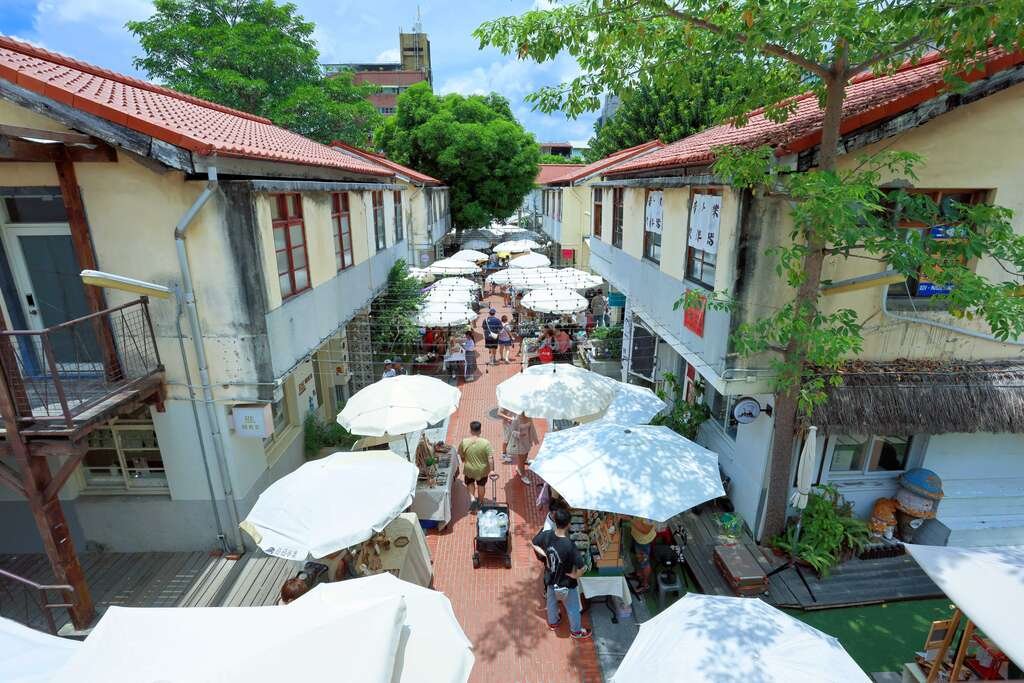
審計新村Audit Village
Audit Village
Welcome to Audit Village, one of the most popular cultural and creative districts in Taichung.
Located in the West District of Taichung, Audit Village was originally built as a residential community for employees of the Taiwan Provincial Government Audit Department. The original buildings were government dormitories, designed for public employees and their families.
After Taiwan's administrative system changed, many of these dormitories gradually became vacant. For a period of time, the neighborhood was relatively quiet and faced the challenge of aging buildings and declining activity.
However, instead of demolishing the old community, Taichung began to explore ways to revitalize the existing space.
The old dormitories were gradually transformed into spaces for young entrepreneurs, designers, artists, independent brands, cafés, and creative businesses. This gave the old neighborhood a completely new role while preserving its original urban character.
Today, when you walk through Audit Village, you can see a mixture of old residential architecture and new creative businesses.
Small shops, exhibitions, weekend markets, handmade products, and cultural events have brought new energy to the neighborhood.
What makes Audit Village particularly interesting is the contrast between the old and the new.
The buildings themselves are relatively simple and carry the memories of an earlier period of Taichung's urban development. Meanwhile, the people using these spaces today represent a younger generation with new ideas and different lifestyles.
This makes Audit Village an example of urban regeneration through adaptive reuse—instead of replacing the old with something completely new, the existing space is given a new purpose.
For visitors, Audit Village is more than a place to shop or take photographs.
It tells a story about how an old government dormitory community was transformed into a platform for creativity, entrepreneurship, and cultural exchange.
Audit Village shows us that urban regeneration does not always mean building something new. Sometimes, it means giving an old place a new life.
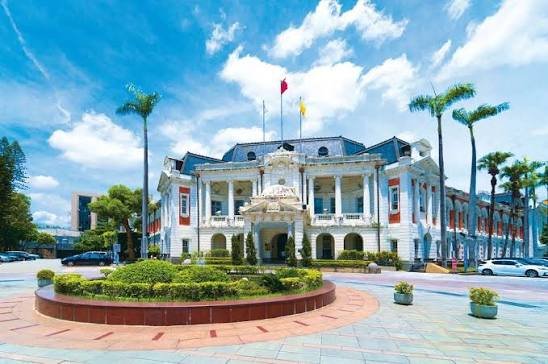
臺中州廳Taichung Prefectural Hall
Taichung Prefectural Hall
Welcome to Taichung Prefectural Hall, one of the most important historic buildings in the city.
The building was constructed during the Japanese colonial period and served as the administrative center of Taichū Prefecture. At that time, Taichung was developing rapidly as an important political, economic, and transportation center in central Taiwan.
The architecture reflects the influence of Western-style architecture introduced during the Japanese colonial period. Its symmetrical façade, classical columns, and carefully designed interior spaces give the building a formal and monumental appearance, reflecting the importance of government administration at the time.
But Taichung Prefectural Hall is more than an old government building. It witnessed the transformation of Taichung from a developing colonial city into a modern Taiwanese city.
After the end of Japanese rule, the building continued to serve governmental functions. Its continued use also allowed the building to remain closely connected to the development of the city.
Today, Taichung Prefectural Hall is regarded as an important part of Taichung's urban and architectural heritage. It provides visitors with an opportunity to understand how political institutions, architecture, and urban development were connected in the history of Taichung.
When you stand in front of this building, you are not simply looking at an old structure.
You are standing in front of a place that has witnessed more than a century of Taichung's transformation.
Taichung Prefectural Hall is not only a historic building—it is a witness to the changing identity of the city.