Establishment of Outdoor English Learning Scenarios in Hualien County - General Guide - Mambo Oceanic Recreation Park / 花蓮縣戶外英語學習場域建置一般版導覽 - 曼波海洋生態休閒園區
Introduction to the Park and Spaces / 園區與空間簡介
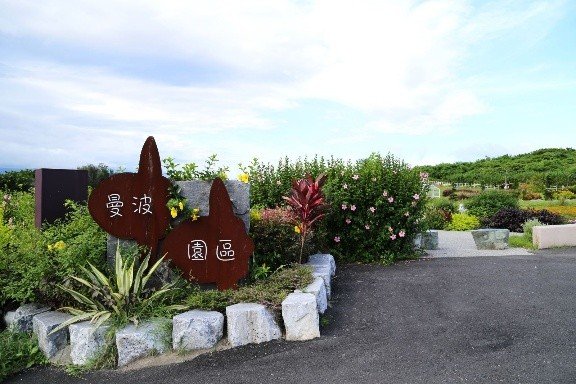
This park is the most distinctive ocean recreation space in the Beibin area of Hualien. Set against the backdrop of the deep blue Pacific Ocean, the park features walking trails, viewing platforms, waterfront areas, and ecological interpretation facilities. By integrating natural landscapes with culture and history, it enables visitors to experience the marine charm of Hualien's East Coast through leisurely exploration.
Originally a restricted military zone, the Mambo Park has[A1.1][A1.2] undergone renovation, transforming into the "Oceanic Recreation Park." The park preserves[A2.1][A2.2] the wartime tunnels of the 48 Highland, serving as a green attraction that combines history, ecology, and leisure.
The name of the Mambo Park is derived from the "Mambo Fish" (Ocean sunfish), one of the heaviest bony fish in the world, known for its round body and drifting swimming style. The Mambo fish symbolizes the freedom and vitality of the ocean and is a nearshore fish well-known to Hualien fishermen. The park uses the Mambo fish as its theme to symbolize the close connection between people and the ocean, while also reminding everyone to cherish this life-nurturing blue kingdom.
為花蓮縣北濱最具特色的海洋休憩空間。以蔚藍的太平洋為背景,園區規劃了步道、觀景平台、親水空間與生態解說設施,融合了自然景觀與人文歷史,讓遊客能在輕鬆散步中,體驗花蓮東海岸的海洋魅力。
曼波園區原為軍事管制區域,後經整建活化,轉型為「海洋生態休閒園區」。園區不僅保存了四八高地的戰備坑道遺跡,是結合歷史、生態與休閒的綠色景點。
曼波園區的名稱,取自「曼波魚」(Ocean sunfish),是世界上最重的硬骨魚之一,以渾圓身形、悠游姿態聞名。曼波魚象徵著海洋的自由與生命力,同時也是花蓮漁民熟知的近海魚類。園區以曼波魚為意象,象徵人與海洋的緊密連結,也希望提醒大家珍惜這片孕育生命的藍色國度。
圖片來源:花蓮觀光資訊網
Image Source:Hualien Tourism Service Network
Getting to Know the Mambo Healing Garden / 認識曼波療癒花園
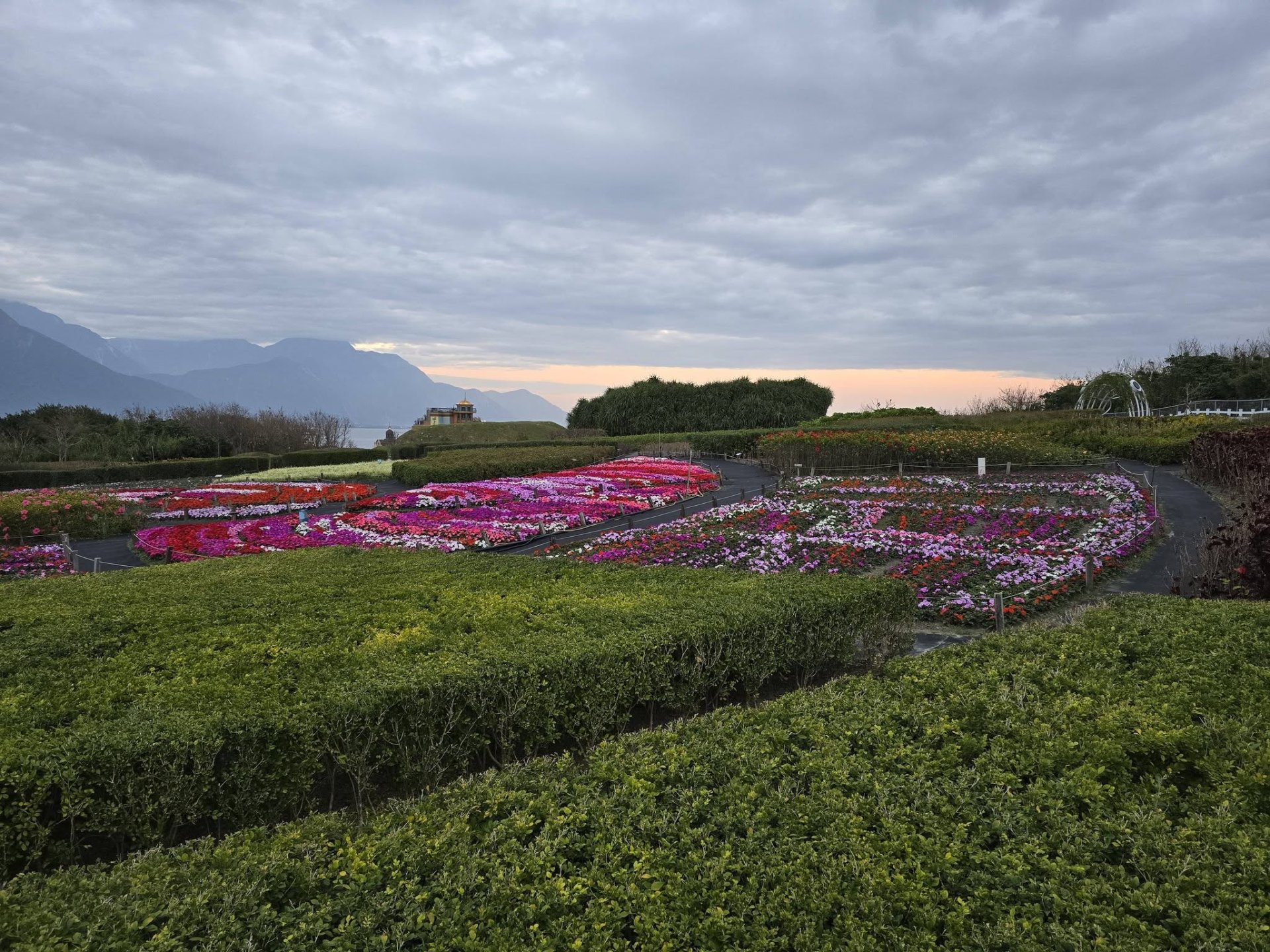
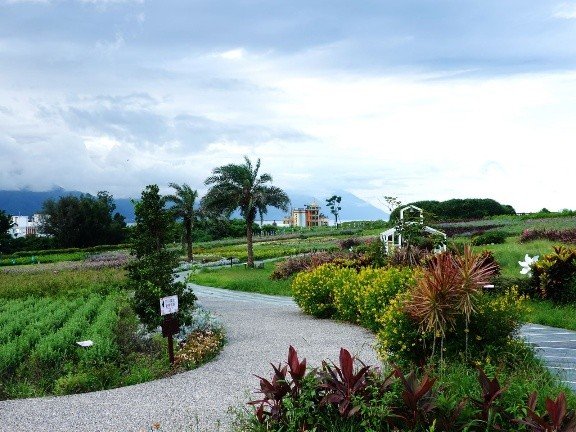
Mambo Park is Hualien's first public landscape to focus on naturalistic planting design. The county government upholds the spirit of environmental friendliness and sustainable landscape development. To ensure public safety during outings, the Agricultural Department uses organic fertilizers instead of pesticides. The park features a "Migration" flower-viewing path, where strolling through it feels like being in a marine maze. Combining a seven-sensory experience with the marine imagery of Qixingtan, the park also features Hualien's first mist sculpture art. Filtered tap water is converted into mist, making visitors feel as though they are in a fairyland.
In addition to the seasonal flower display area where flower change according to the seasons, the original landscape includes over 100 varieties of landscape plants, including Athel Tree, Cotton Rose, Crape Myrtle, Rain-of-Gold, Sweet Viburnum, Japanese Privet, Lavender, and Foxtail Grass. Visitors can stroll through and take in the full mountain and sea views. Besides creating rich visual scenery, the park also focuses on ecological sustainability and biodiversity, coexistence with local wildlife such as ring-necked pheasants, fireflies, butterflies, bees, birds, and various insect species.
曼波園區是花蓮首座以自然式植栽設計為主的公共景觀場域,縣府秉持友善環境及永續景觀的精神,也為了讓民眾安心出遊,農業處不灑農藥並使用有機肥料,園區內設置「洄游」賞花步徑,漫遊其中宛如置身海洋迷宮。同時結合七感體驗及延續七星潭海洋意象,也設置花蓮縣首座霧雕藝術,將自來水過濾後轉換為霧漫出,讓民眾身在其中宛如仙境。
園區除了有季節性花海專區會依照季節更換不同花種外,原有的景觀植栽配置種類超過100種,如無葉檉柳、木芙蓉、紫微、金英花、珊瑚樹、日本女貞及薰衣草、狼尾草等。讓觀眾可漫步在其中並將山海景觀盡收眼底,除營造豐富景觀視覺,同時注重生態環境,增加生物多樣性,與在地的環頸雉、螢火蟲、蝴蝶蜜蜂、鳥類及昆蟲類共存。
"48 Highland" and Wartime Tunnels / 「四八高地」與戰備坑道
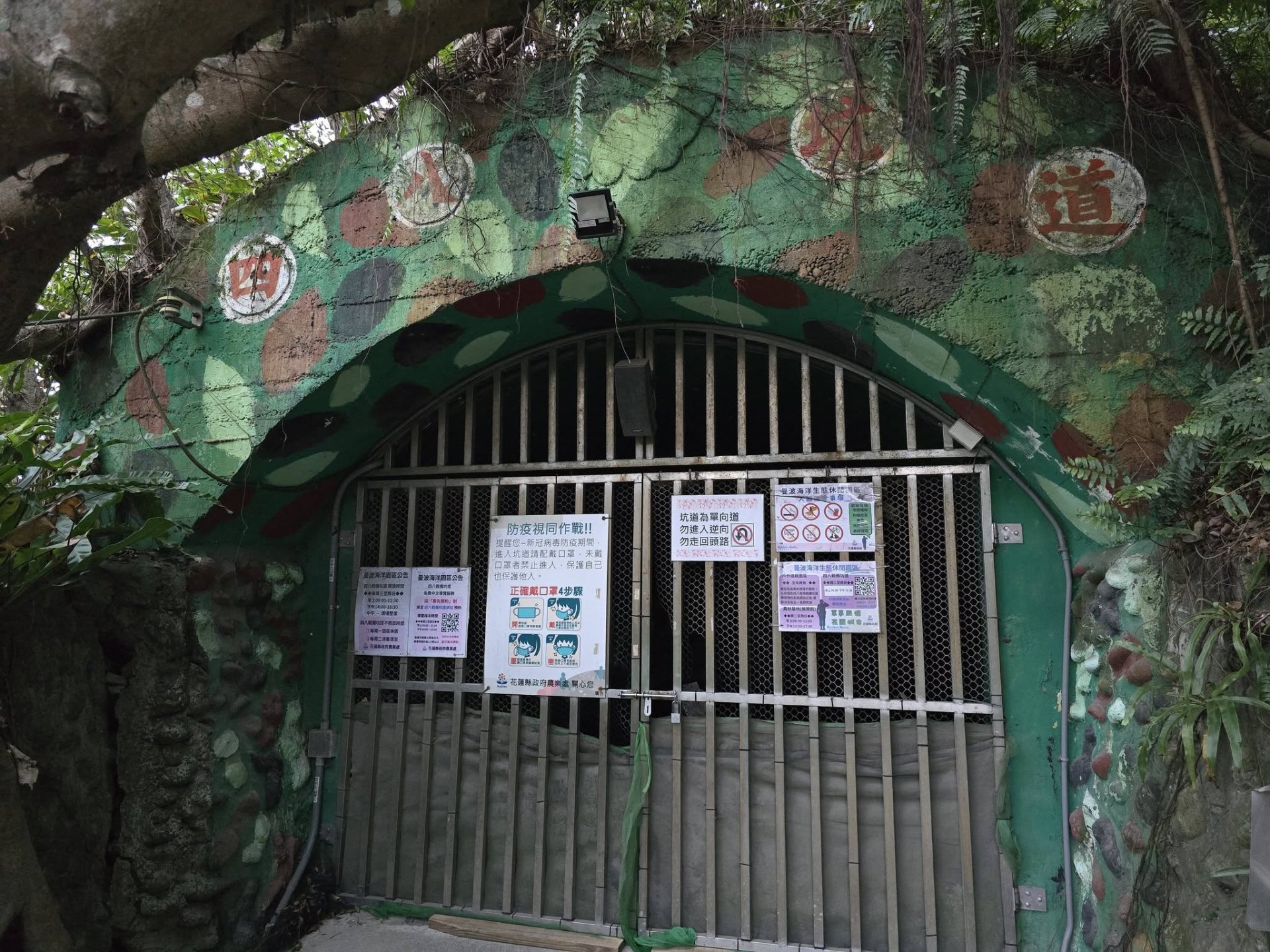
The name "48 Highland" comes from its elevation of approximately 48 meters. The wartime tunnels[A9.1][A9.2] were established by the Japanese military during WWII to prevent U.S. forces from attacking from the Pacific Ocean. After the war, it was taken by the Nationalist Government.[A10.1][A10.2] The front section of the tunnel was built in[A11.1][A11.2] the late Japanese colonial period (around 1944). The Japanese military set up heavy artillery bunkers and coastal defense constructions here to defend against possible U.S. landing. The rear section was expanded and maintained by the ROC Armed Forces after the war, particularly during the "Jingjin Program," featuring addition of artillery positions and extension of tunnels and passages.
Defending Hualien Harbor Airfield and the Coastline: since Qixingtan and its surrounding waters were potential invasion routes, the Japanese military used these facilities as the first line of defense.
These facilities,including artillery bunkers, field trenches, and military passages, were used to monitor the sea and protect the passage of rear-area supplies and command movement. Remains of structures such as machine gun ports and anti-aircraft/observation points are still visible today.
「四八高地」名稱來自地勢高度約 48 公尺,為在二戰時期日軍為了防範美軍從太平洋進攻而設立的戰備坑道,戰後由國民政府接手。坑道前段為日治時期末期建設(約 1944 年),由日軍在二次世界大戰中為防禦可能的美軍登陸而在此設置重砲框舍/海岸防禦工事。後段則由中華民國國軍在戰後、尤其是國軍精進案中擴充/維護,設置砲陣地與較長的坑道及通道系統。
防禦花蓮港飛行場與海岸線:由於七星潭及周邊海域是潛在的海上入侵/登陸路線,日軍將這些防禦設施作為第一線屏障。
作為砲兵框舍、野戰壕溝及軍事通道的組合體,用來監控海域與保護後方補給/司令通行。部分結構如機槍口、防空/觀測點等設施仍可見遺跡。
Importance of Mambo Fish to Hualien / 曼波魚對花蓮的重要性
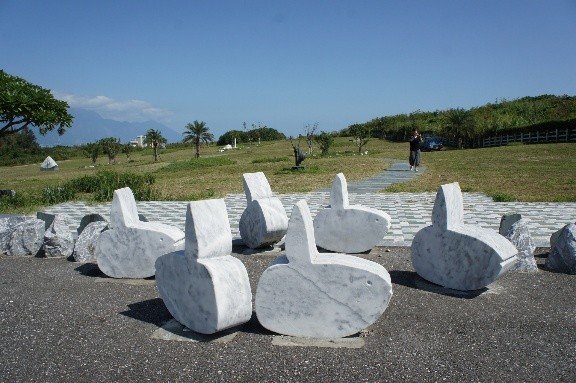
The Mambo fish is also known as the Sunfish. Scientifically named Mola mola, it is a giant marine fish living near ocean currents. Its round, flat body, large eyes, and short tail are very unique, and it is adored by many people. In the past, due to the Kuroshio Current, Hualien's waters were an important migration route for Mambo fish. Large catches [A12.1][A12.2]were once common, making it an important resource for local fishermen.
To promote local fishery and tourism, Hualien once held the Mambo Fish Festival—allowing tourists to taste Mambo fish dishes and making the fish a feature of Hualien. However, with growing global emphasis on marine conservation and species protection, the Mambo fish is currently listed as a "vulnerable" species on the IUCN Red List.
As knowledge regarding the reproduction, migration routes, and ecological behavior of the Mambo fish is still limited, the best way to protect them is to reduce fishing pressure and bycatch and avoid overconsumption so they can live peacefully in the sea.
Therefore, while the Mambo fish was once part of Hualien's fishery and tourism industries, we now treat it as a "Treasure of the Ocean," protecting it through education, sustainability, and respect for nature. If we are willing to protect the ocean, we may see the Mambo fish swimming freely in Hualien's waters once again in the future.
曼波魚又名翻車魚。學名,Mola mola,是生活在環流附近的巨型海魚,牠的圓扁身形、大眼睛與短尾巴,非常特別,深受人們喜愛。過去,花蓮海域因為黑潮洋流經過,是曼波魚的重要洄游區,也曾出現大量捕獲記錄,成為地方漁民的重要漁獲。
為了推廣地方漁產與觀光,花蓮曾舉辦曼波魚季──讓遊客能品嚐曼波魚料理,也讓曼波魚成為花蓮特色之一。然而,隨著全球對海洋生態與物種保育的重視,曼波魚目前被列入國際自然保護聯盟(IUCN)的易危物種名單之一。
由於對曼波魚的繁殖、洄游路徑與生態行為仍了解不深,為讓牠能安心地在大海中生活,減少捕撈壓力與混獲、避免過度消費,才是對曼波魚最好的保護。
因此,雖然曼波魚曾是花蓮漁業與觀光的一部分,現在我們更希望把牠當作「海洋之寶」,透過教育、永續與尊重自然的方式來守護。如果我們願意保護海洋,也許未來還會再次在花蓮海域看到曼波魚自在游動。
圖片來源:花蓮觀光資訊網
Image Source:Hualien Tourism Service Network
Sustainable Environmental Education / 永續環境教育
Mambo Park upholds the concept of sustainable development. Various facilities and activities in the park focus on education, allowing visitors to enjoy natural beauty while gaining a deeper understanding of the importance of environmental protection.
Education and Action Together
Educational Facilities: Several educational display areas in the park introduce topics such as local ecology, plant restoration, and tidal changes. Through interactive learning experiences, visitors are encouraged to enhance their environmental awareness.
曼波園區秉持永續發展的理念,園區內的各項設施與活動,皆以教育為核心,讓遊客在享受自然美景的同時,也能深入了解環境保護的重要性。
教育與行動並行
· 教育設施:園區內設有多個教育展示區,介紹當地生態、植栽復育、潮汐變化等主題,讓遊客透過互動式學習,提升環境意識。
圖片來源:花蓮觀光資訊網
Image Source:Hualien Tourism Service Network