走讀城市---信義松菸無圍牆博物館Ecomuseum: Songshan Cultural and Creative Park
辦公廳舍
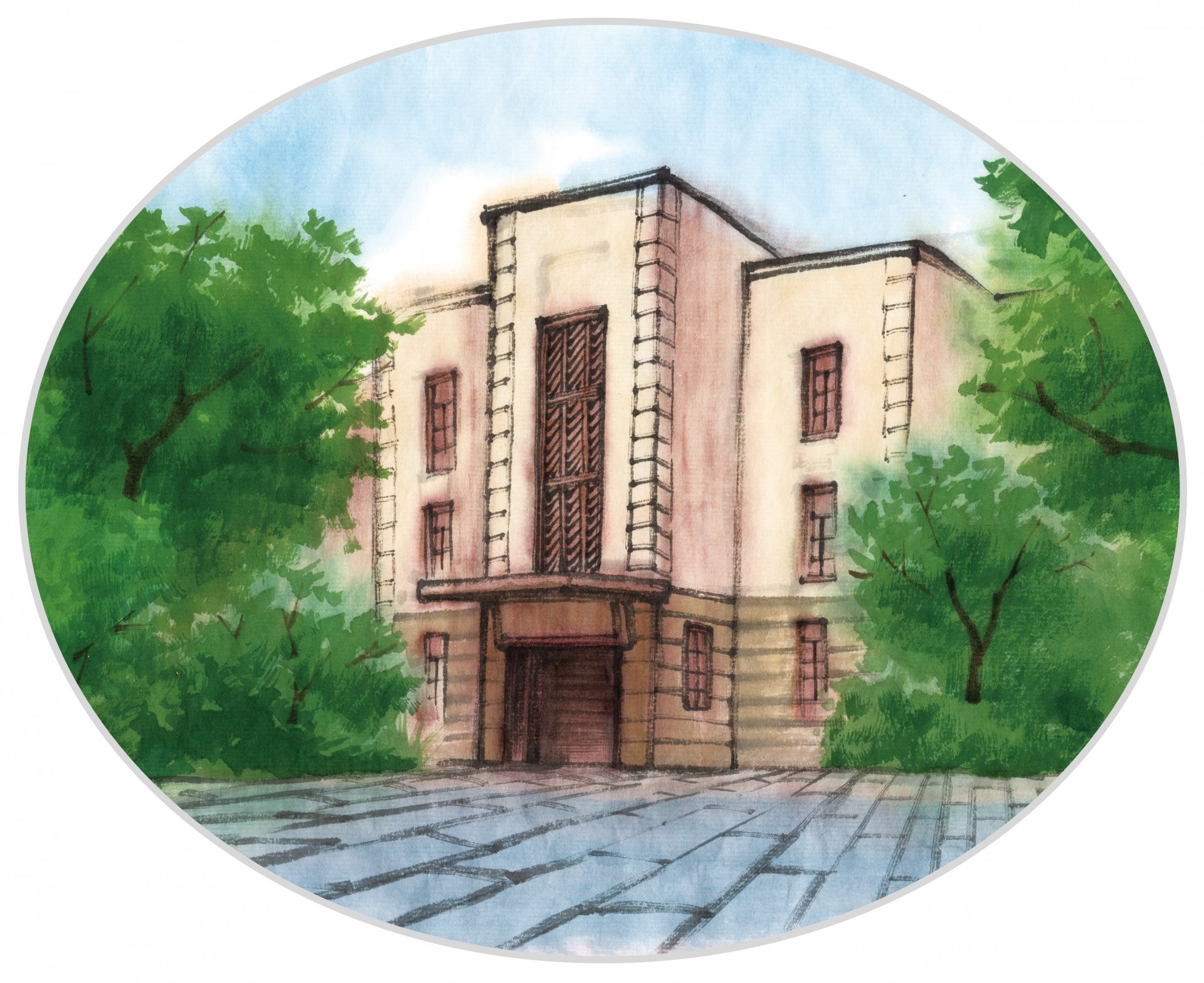
The address of the Tobacco Factory is No. 133 Guangfu South Road which was the factory’s main gate. From here, the first building we see is the office building, the construction materials are much more exquisite than those used in the factory. There is a small roundabout at the entrance which was designed to slow down the traffic. On the floor plan, the office building looks like a door shape(ㄇ). Besides, another special feature of it is that it used to be the only three-story building in the factory. There used to be a guard room on the first floor. The second floor was the office, including the office of the factory manager. This office has an open counter made of marble and wooden floor. The wooden floor would make noises when people walk on it protecting against thief. A meeting room was on the third floor.In order to differentiate from other buildings in the factory, the roof tiles are made of the green tiles which imported from Japan.
薰廠的地址是光復南路133號,正大門就是佇這爿,從這入來第一个看著的就是「辦公廳舍」,這棟的建材真講究,連thài-lù(磁磚)嘛真幼路!上特別的就是這個辦公廳舍彼當時是薰廠唯一的三層樓仔,一樓是守衛室,二樓是辦公的所在,三樓室會議室。辦公室的塗跤是枋仔釘的,行路的時會有聲音,會當防止賊仔,閣真趣味。
廳舍的門口有三欉烏枋樹,彼是薰廠拄起好的時,員工做伙種的,有聽老員工講起:有一個捌佇薰廠食頭路的日本阿公轉來薰廠參觀,看著三﹑四層樓懸的烏枋樹,紲感動甲目屎流出來呢!
菸廠的地址是光復南路133號,正大門就是在這一側,從這邊進入第一個看到的就是辦公廳舍,這棟建築用的建材都比後面的製菸工廠講究,像是磁磚都特別精細,而門口設計的小圓環則是讓車輛減速慢行。從平面圖來看的話,廳舍大概是一個「ㄇ」字形,另外有個特別的地方在於它是以前菸廠區唯一有三層樓的建物。以前一樓有守衛室,二樓是辦公空間,廠長室也在二樓,裡面有大理石做的開放式櫃檯,辦公室的地板是木地板,這木地板有個很厲害的功用,如果有人走在上面,就會發出聲音,因此可以用來提防小偷,三樓則是一間會議室。廳舍的屋瓦是用日本進口的綠色瓦片,這是為了和工廠其他的建築物做出區別。
廳舍門口還有三棵黑板樹。這三棵黑板樹是日治時期菸廠剛建立完成的時候,由員工們親手種下的,原本還不到一個人的高度,現在已經有三、四層樓高了。還有老員工說過,曾經有幾位七、八十歲、在菸廠工作過的日籍老先生們回到菸廠參觀,當他們看到這三棵長高的黑板樹時,都感動得哭了呢!
檢查所
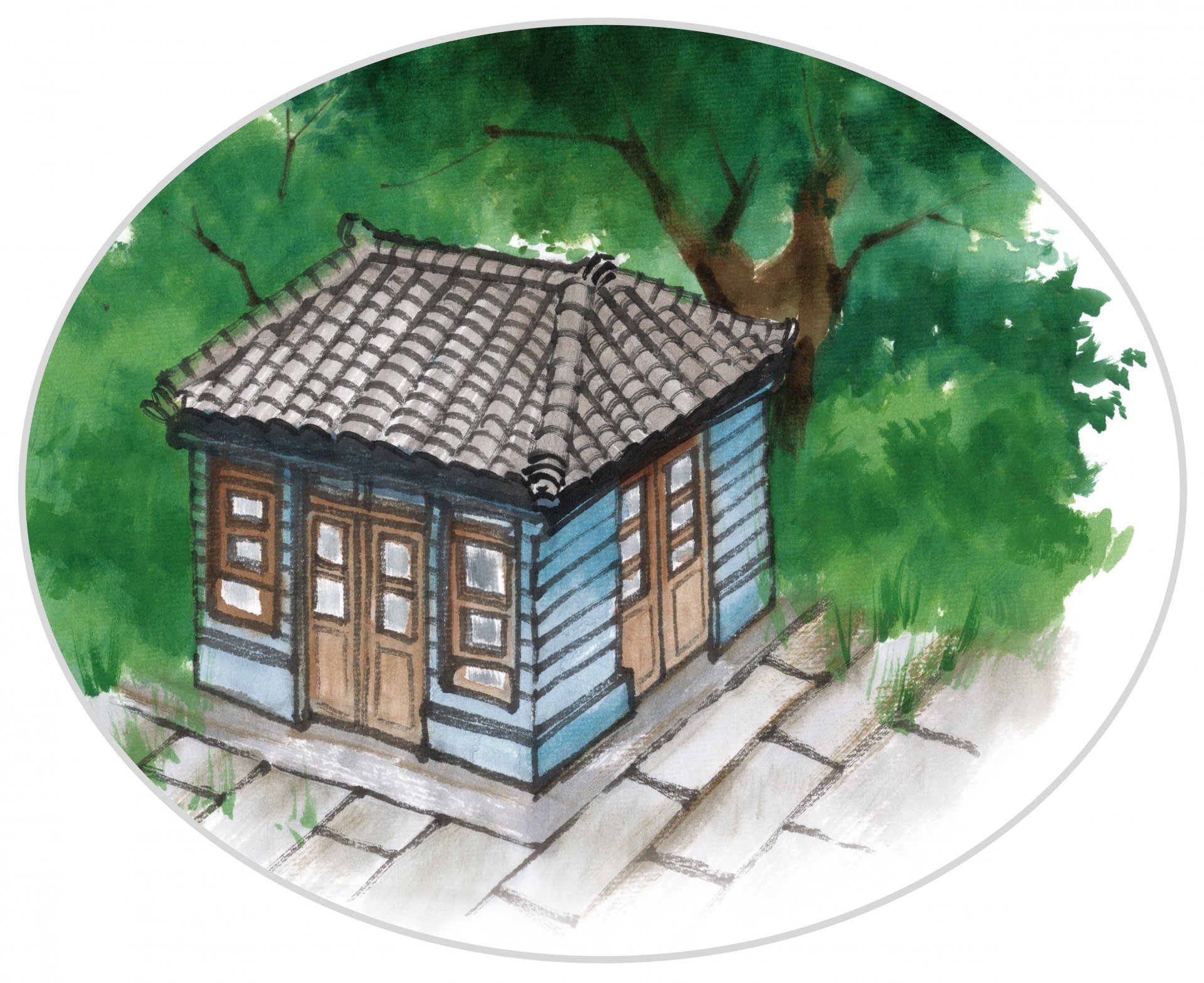
We see the place that every employee must pass though through before they got off work. It was originally a guard room in the factory, it became the inspection room after the WWII. In order to prevent employees from hiding cigarettes and smuggling them out of the factory, the iron railing at the door was designed to allow men and women queuing up for inspection separately. Most people smuggled out cigarettes to sell for money, not to smoke.
You might be curious about how people smuggled cigarettes, actually, there are were plenty of methods: some people tied cigarettes on their legs and covered by them with trousers; some carried their children and hid them on their backs, and some people hid forty to fifty cigarettes under the bicycle seats. In some cases, people even hid cigarettes in the inner tubes of bicycles. Those employees really came up with all kinds of methods to smuggle cigarettes.
咱從頭前行,就會看著薰廠早期的「警衛室」,後來改做「檢查室」,是咧檢查看員工敢有偷偷仔共薰紮出去,會分做查埔﹑查某兩排檢查。通常偷紮薰出去毋是家己食,是欲提去賣。
偷紮薰的方式百百款,有的縛佇跤腿﹑有的用褲閘牢咧﹑有的偝囡仔﹑有的藏佇尻脊骿,嘛有人會藏佇跤踏車的椅苴仔內底,閣按怎嘛欲共薰紮出去,真正足趣味!
這裡最早是菸廠的警衛室,在第二次世界大戰之後才變成檢查室,門口的這個鐵欄杆是為了讓男生、女生分開來排隊檢查,檢查他們有沒有偷偷夾帶香菸,他們偷帶香菸的原因幾乎不是為了自己抽,而是想要一支一支賣。
大家可能會疑惑以前的人是怎麼私帶香菸離開的,其實方法有非常多,有人綁在腿上,再用褲子遮著,有人揹小孩,就藏在背上,也有人會把腳踏車坐墊拿起來,藏在裡面,大概可以放四、五十支菸,甚至還有人把菸藏在腳踏車的輪胎,硬是要把菸運出去。為了這個目的,大家真的想到很多各式各樣的辦法。
1-5號倉庫
Now, we are at Warehouse 1-5, where people often come to visit the exhibitions. Though there are only five warehouses left, there were up to 15 before 1998. These warehouses were used for storage, but were bombed in 1944. It is said that an American pilot was supposed to bomb the train depot nearby, but accidentally bombed the warehouses instead. The Taipei Cultural and Creative Building is located just where Warehouse 6-11 were. You can take a look at these warehouses. They were made of concrete and have wooden roofs.
The wooden pillars between the warehouses have pipes to catch the rain and drain it out. You may notice that the warehouses are a little far from the ground. Because the warehouses were used to store tobacco, it was important to control the temperature and humidity. This is also the reason for the use of revolving windows and louvers on the wall.
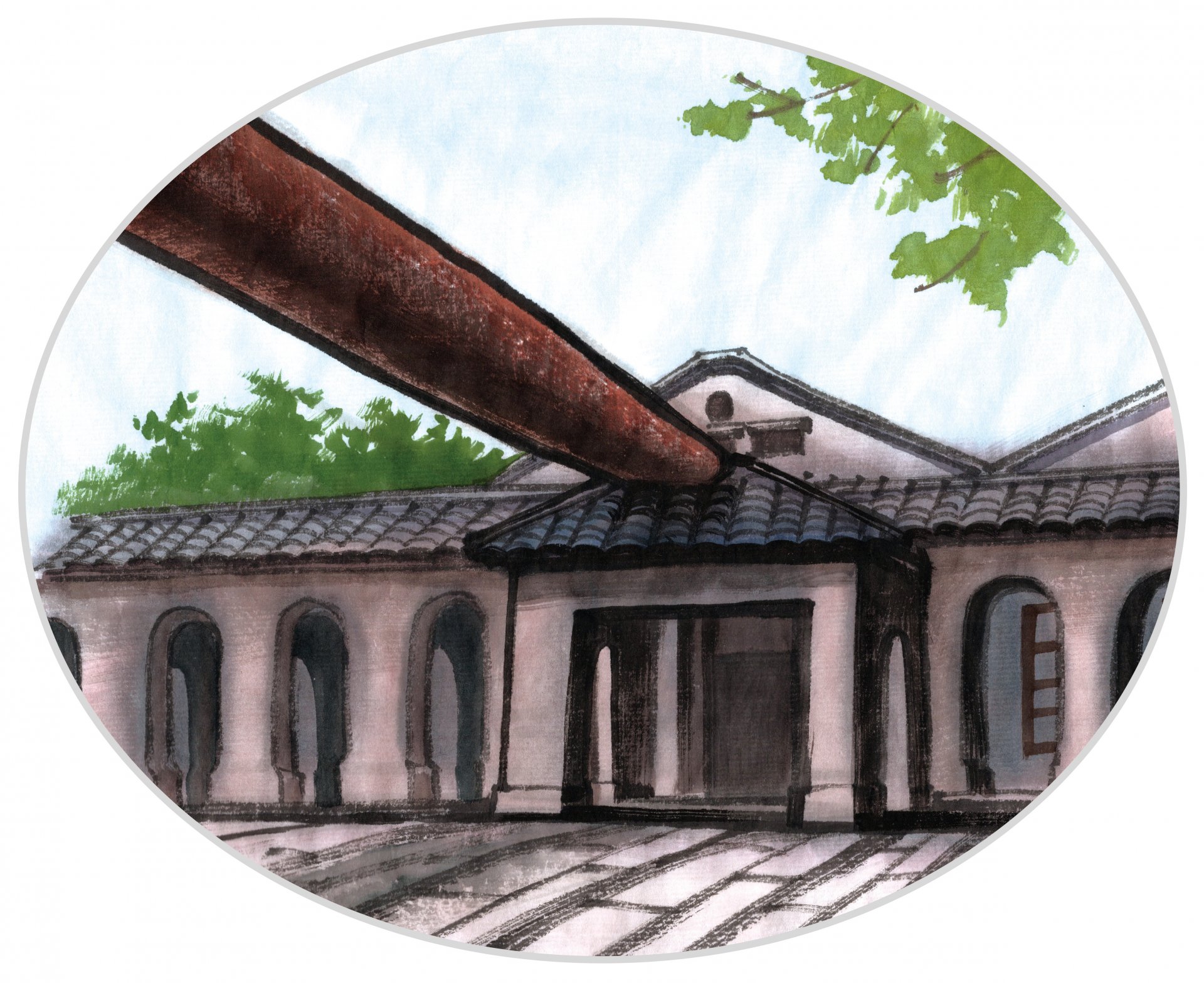
There is something special about Warehouse 2. That is, in order to make the transportation faster, there is a conveyor belt connecting to the second floor of the factory. It is spiral and can protect the products by slowing down the descending speed. In this way, the cigarettes could be transported directly to the warehouse through the conveyor belt.
Warehouse 1, 2, and 3 were used to store the products, and some people would come directly and pick them up. People usually parked their trucks in front of Warehouse 1 and loaded the boxes of cigarettes onto the trucks. At the back of the warehouses, there was a section of railroad platform. The goods could be transported on the train all over Taiwan. Wasn’t it very convenient?
紲落來,欲來紹介1-5號倉庫,薰廠停止生產進前,上濟閣有15間倉庫,後來去拄著空襲,有的倉庫去予炸彈炸無去。咱這馬看著的「台北文創大樓」就是彼當時的6-11號倉庫。
這馬來介紹第二號倉庫,較早為了加強運輸的速度,這个倉庫頂懸有一條輸送帶,會當迵二樓的工廠,按呢就毋免用人工運送薰,直接用輸送帶運送到倉庫,你看有巧無?
1、2、3號倉庫是較早囥成品的所在,有人會直接來遮領。若是欲用thoo-lá-khuh(卡車)來載,就愛共車停佇1號倉庫,遮的倉庫後壁較走有一个月台,貨物會當直接用火車載去台灣各地,敢是真方便咧?
這裡是許多人來園區看展時常常會去的地方,也就是1-5號倉庫,雖然現在只剩5棟倉庫,但在菸廠1998年停止生產前最多有15棟倉庫。這些倉庫原本被用來存放香菸的成品和原料,但在1944年的時候遭到空襲,據說是一位美國機師原本要炸附近的鐵路機廠,可是他不小心在平面圖上看錯了,反而炸到這裡的倉庫,我們現在看到的台北文創大樓,就是以前6-11號倉庫的位置。大家可以仔細看看這些倉庫,它們是由混泥土做成,還有木構造的屋頂。
倉庫與倉庫之間的木柱子有落水管,可以接屋頂的雨水再排出去。還可以看到倉庫和地面有些距離,這是因為倉庫是存放菸草的地方,溫度、濕度的控制很重要,這同樣也是採用旋轉窗、牆上加裝百葉窗的原因。
其中,2號倉庫有個特別的地方,就是以前為了加強運輸的速度,所以在2號倉庫上面,有一條和工廠二樓連接的輸送帶,它是螺旋狀的,這是為了緩衝產品下降的速度,避免產品被撞壞,是一個很細心的設計呢!這樣一來,在工廠包裝完成的菸,就能直接透過輸送帶運到倉庫。
1、2、3號倉庫是以前放成品的地方,有些人會直接過來領。如果是要用卡車運,那就要把車停在1號倉庫前,再把一箱箱的香菸搬上車。而在這些倉庫的後方,也就是菸廠路那邊,以前有一段月台,貨就可以直接搬上火車運到台灣各地,是不是非常方便呢?
澡堂
There were many advanced designs in the factory, and the bathhouse was one of them. Why were there bathhouses in the factory? It was because the workers in the leaf processing department often got the smell of tobacco. Therefore, the bathhouses were designed for the staff to take a shower before going home.
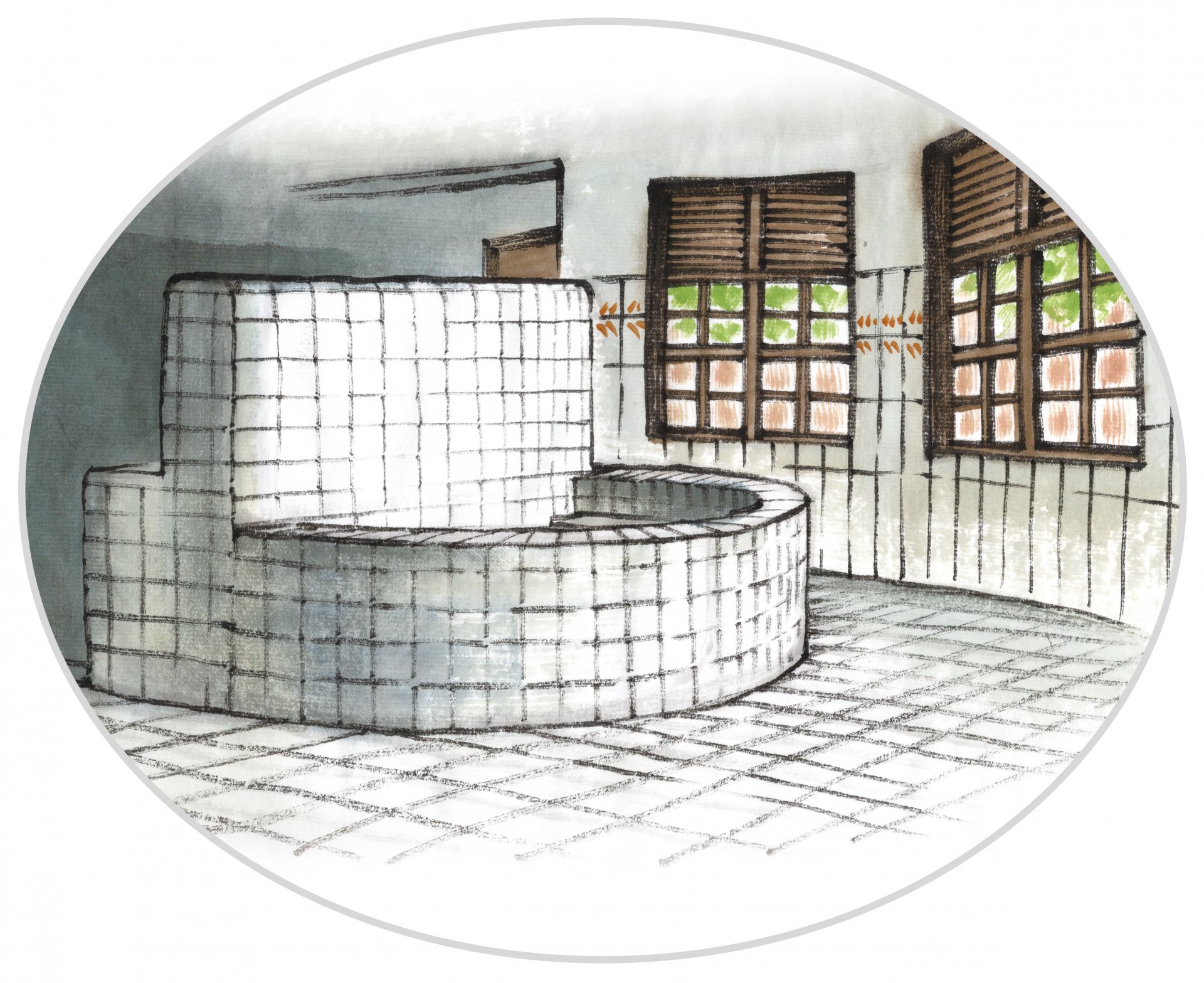
There were two bathhouses for men and women, with changing rooms. In the center of the bathhouse is a pool for hot water which was heated in the boiler room and delivered through the pipes. In the past, not everyone had a water heater at home. Therefore, many people would take a bath before going home. The women’s bathhouse has turned into a bathroom style library, called “Not Just Library”. With a ticket, you can read in the library for a whole day. As for the men’s bathhouse, it has become an art space. You can go visit it if you have time!
洗浴堂有分成查埔、查某兩間,嘛有換衫間會當換衫,中央浴池會使落燒水,遮的燒水是「火鼎房」加熱了後透過管線送過來的。較早毋是每一个人厝內攏有熱水爐,所以真濟人會選擇身軀洗了才轉去厝。現此時,查某的彼間洗浴堂已經改造成做一間圖書館,號做:毋但圖書館。買一張門票就會是浸佇洗浴池內底看一工的冊,沓沓仔享受。啊若查埔的彼間浴堂,現此時嘛成做藝文空間,若是有閒,會當來遮行行的喔!
在一開始時有說到菸廠是以「工業村」的概念興建而成的,所以裡面有很多先進的設施,澡堂就是其中一項。為什麼在廠區內要有澡堂呢?那是因為在理葉、切葉部門工作的人,身上常常會沾染到菸味,所以日本人在一開始就規劃了澡堂,讓員工們能夠先洗完澡再乾乾淨淨的回家。
澡堂分成男、女兩間,還有更衣室可以換衣服,澡堂中間有個半圓形的池子可以放熱水,熱水是鍋爐房加熱後經由管線運送過來的,也因為以前並不是每個人家裡都有熱水器,打開就有熱水,所以很多人選擇先洗完澡再回家。原本的女生澡堂現在已經改造成「不只是圖書館」,買張門票就可以在圖書館閱讀一整天的書籍,享受浴室風格的圖書館;男生澡堂現在則是變成藝文空間,有空的話也要記得進去參觀喔!
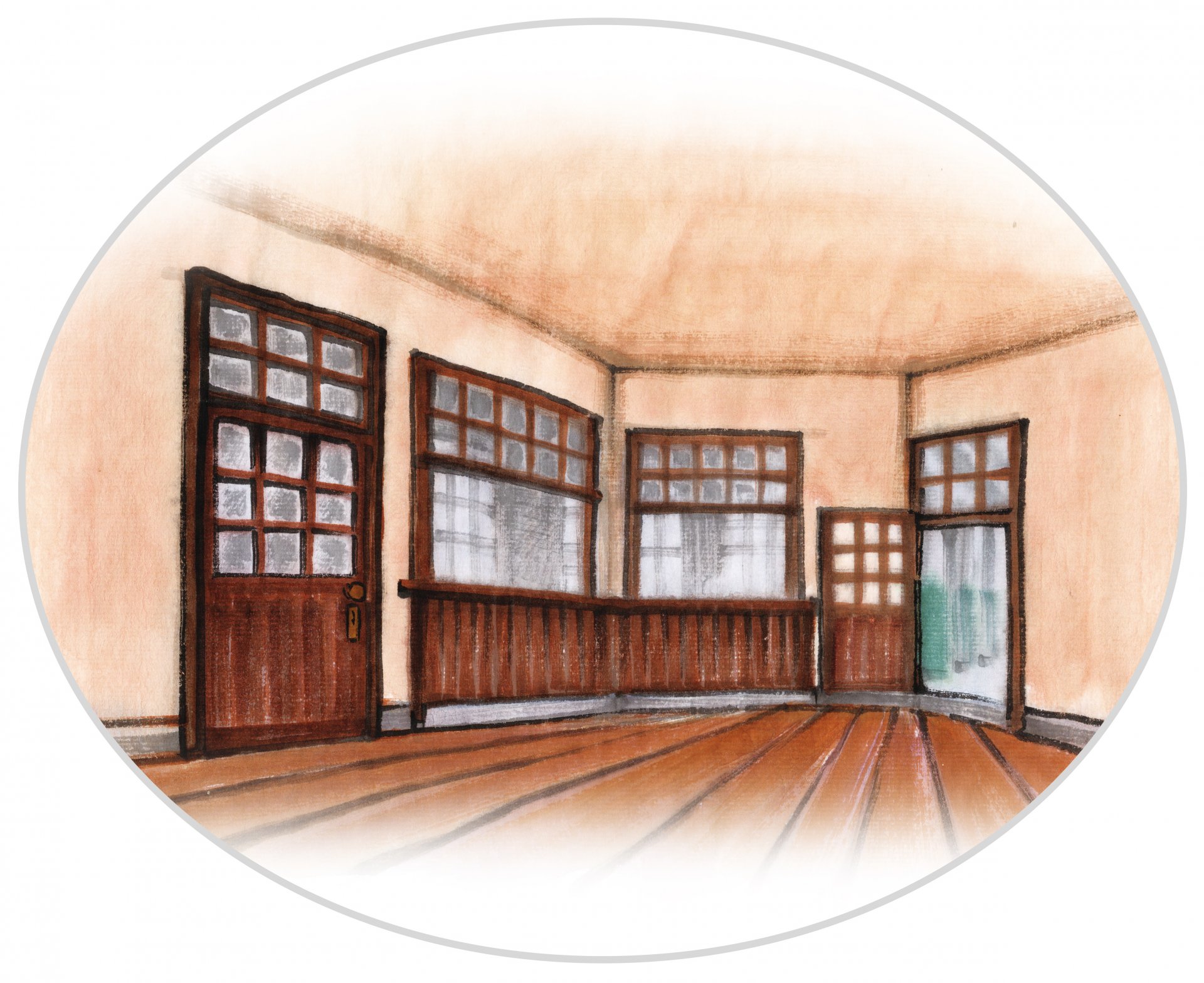
醫護室
醫護室是可以動小型手術的小型診所,曾經最多有兩位醫生、三位護士,診間有分成內科和外科,每年也會定期為員工做身體檢查,而且員工看病、拿藥都不用錢。有些人的小孩是在廠內接生的,整座工廠真的很像一座小村莊,有一任廠長特別強調「以廠為校、以廠為家」的口號,大家感情真的很好呢!因為醫護室有許多的小房間,在保留格局的狀況下現今改名為「藝巷空間」,曾經舉辦過展覽、市集、表演等活動。
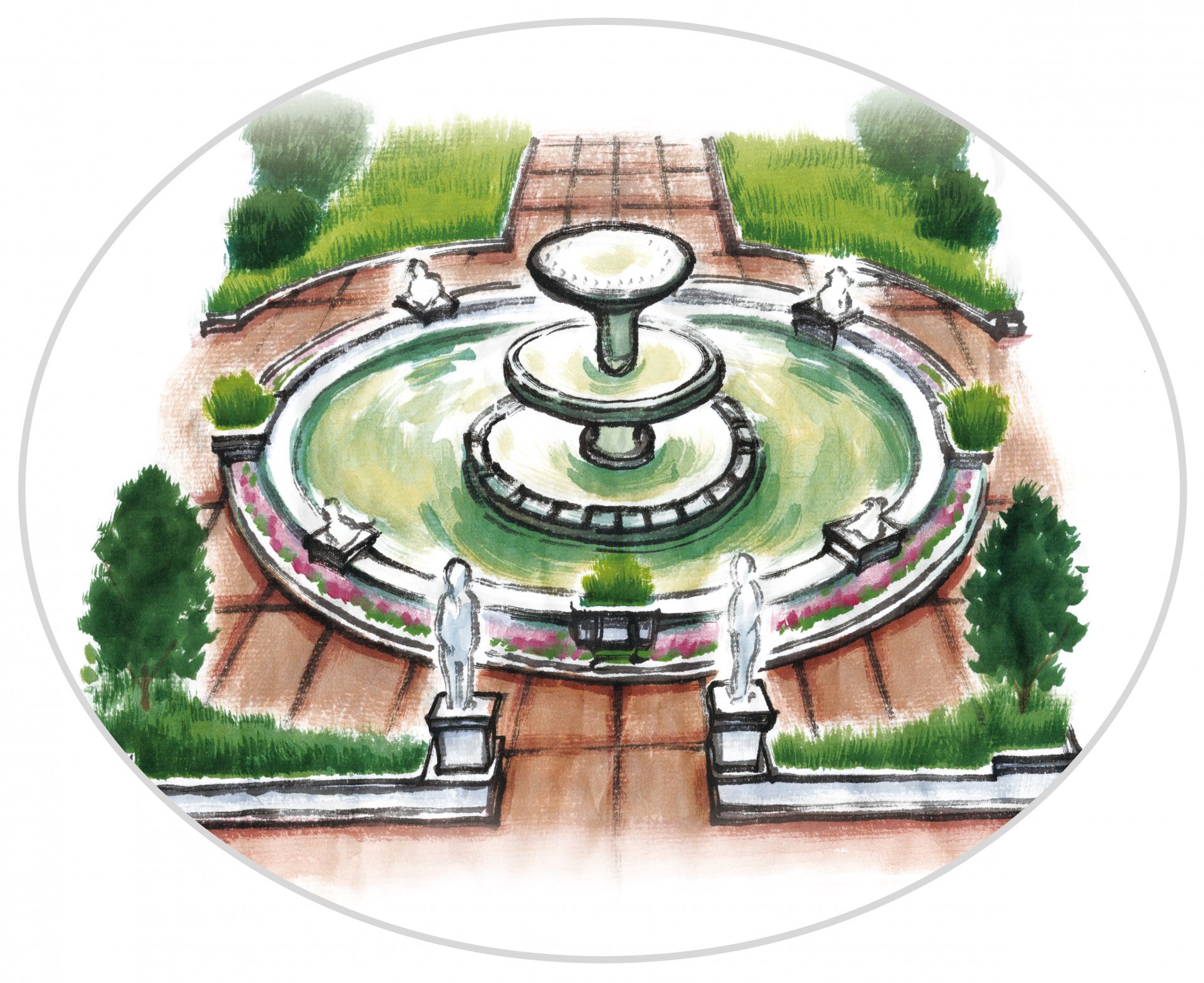
巴洛克花園
The open space in this building is the Baroque Garden, the place you must see when visiting the Songyen. Actually, here used to be the lawn for employees to play baseball or take a walk in the Japanese period. Not until 1958 ,the then factory manager entrusted the designer to build it. The garden adopts geometric design and follows a symmetrical pattern. A three-layer fountain is located at the center. Also, it has triangular pools with a fire safety function which can be used to put out fire.
In the past, landscape design did not gain much attention. After the Baroque Garden was completed, many people were drawn to it and the garden became teaching materials for the Department of Horticulture in the universities. Everyone was surprised that there was such a beautiful garden hidden in the factory! Also, many people take wedding photos in the garden, even singer Jolin Tsai has filmed the music video here.
建築物中央這片空地仔是「巴洛克花園」,日本時代遮是一片草埔仔,員工會佇遮摃野球亦是散步,一直到1958年,彼當時的廠長才請設計師設計﹑規劃,佇空地仔的正中央囥一个三層的噴水池,毋但媠噹噹,閣有消防的功能呢!
這个花園起好了後,真濟人來參觀,有人來遮翕結婚相片,連歌手Jolin攏來遮翕MV喔!
建築物間的這塊空地是巴洛克花園,是來到菸廠不容錯過的地方,其實在日治時期還沒有這座花園,中間的空地是草坪,給員工打棒球或散步用,直到1958年當時的廠長才委託設計師興建而成。花園採幾何式的設計,左右對稱,在正中央有一座三層水盤的噴泉,還有三角形的水池,大噴水口的水與消防水源連接,有消防的功能。
菸廠中庭花園蓋好後,吸引了很多人前來觀摩,甚至還成為了園藝系的教材呢。大家都很驚訝在菸廠裡竟然有一座這麼美麗的花園,還有不少人會在這裡拍婚紗,連歌手蔡依林都曾經在這裡拍過MV喔!
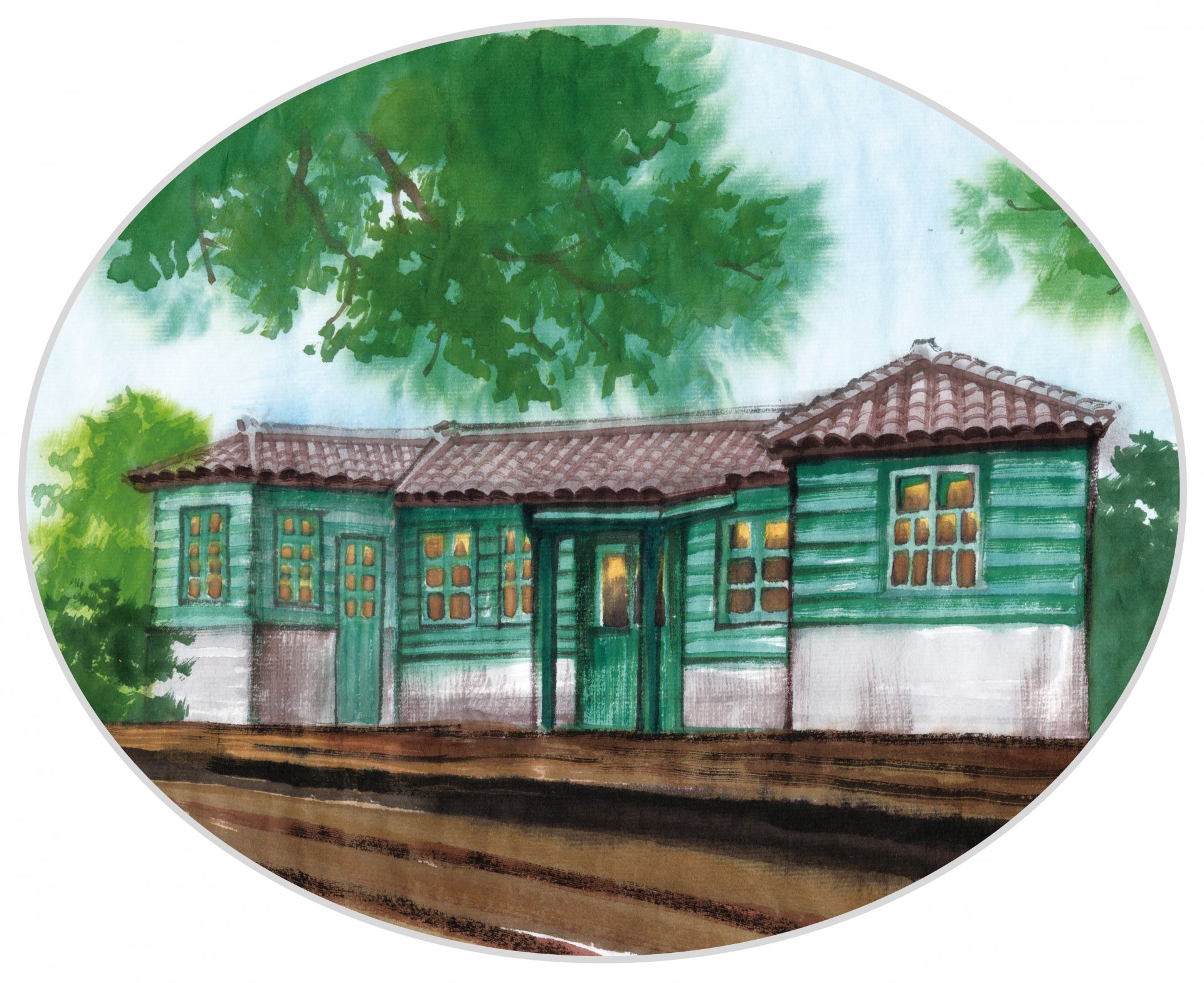
育嬰室
I am going to introduce a thoughtful place, the nursery room. It was built in the post-WWII period and followed Japanese-style wooden design. The nursery room was originally located in the south of the Tobacco Factory, later, due to the construction of Taipei Dome, it moved to where we see now. How many children do you think there were at that time? As a matter of fact, there were at most one to two hundred children. After the 65th days of giving birth, female employees could bring their children here to nannies until they turned two years old. In the heyday, a babysitter would take care of six children in average. Of course, female workers also needed to take care of their children on their own. Every two hours they could take a 15 minutes break, they would go breastfeed their babies, or give the older children meals in the nursery room. We call those kids who grew up in the nursery room “Babies of Songshan Tobacco Factory.” In 2013, the nursery also turned into a book store for shooting in a drama called Lovestore at the Corner.
薰廠內底有一个足貼心的所在,彼就是「育囡仔房」。伊是戰後才起的,是仿日本式的建築,本底起佇薰廠的南爿,為著欲起「大巨蛋」就徙來現此時這个所在。予恁臆,彼當時這間育囡仔房有偌濟囡仔?其實上濟有到一﹑兩百个喔!遮有專門的人鬥育囡仔,女性員工嘛會使來遮飼奶抑是飼飯,小朋友兩歲以前攏會使佇遮,是正統的「薰廠紅嬰仔」喔!
菸廠的育嬰室,它是一座在戰後建立、模仿日本風格的建築,育嬰室本來在製菸工廠的南邊,但因為要蓋大巨蛋,所以搬到這裡。你們覺得這裡的托兒所當時有多少小朋友呢?其實這裡最多會有一、兩百個小朋友喔!女員工在生下小孩後的第65天,就可以把小孩放在這裡,請褓母照顧直到兩歲,所以一個褓母通常會照顧不只一個小孩,在巔峰時期平均一個褓母甚至要照顧6個小孩。當然也不是只有褓母照顧就好,媽媽們也需要來餵奶,菸廠就讓那些媽媽、女工們每兩小時有15分鐘的休息時間到育嬰室餵奶,大一點的小孩就是媽媽來餵吃飯。這些在育嬰室長大的小孩,根本就是「松菸寶寶」呢!這個育嬰室還有一個很特別的事情,就是在2013年的時候,偶像劇《巷弄裡的那家書店》把育嬰室改裝成書店的場景。
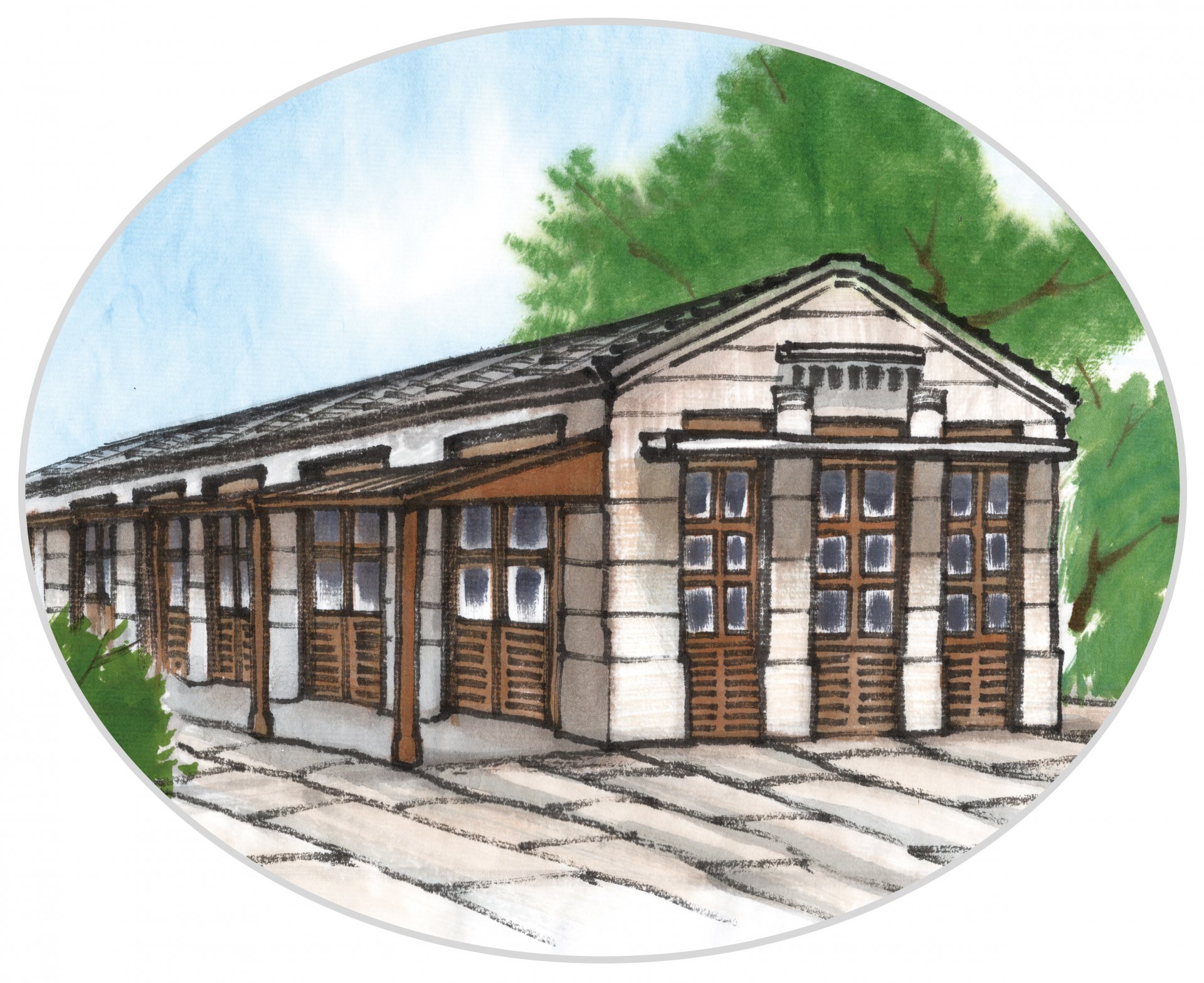
機器修理工廠
Across from the boiler room is the machine repair shop. Machines that did not work would be repaired here. Furthermore, the wooden windows and furniture would also get repaired in the shop. When there was a machine that was not working, the staff would report it first. A repairman would check the machine and try to replace the parts of it.
Why did we need a machine repair shop? It is because the machines were very important for making cigarettes. The production of cigarettes in 1946 was about 1.18 billion cigarettes, and it rose to 3.87 billion in 1950 because of the advanced machines. The earliest cigarette rolling machines could roll 360 cigarettes in a minute. After computerization, they became even faster. The machines from England could roll 8,000 cigarettes in a minute, which was amazing! However, when the factory stopped producing cigarettes, the machines were shipped away.
「火鼎房」的對面是機器修理廠,只要薰廠內底的機器歹去,攏會提來遮修理。後來毋但機器,連柴做的門窗抑是歹去的家具嘛會送來遮修理。
是按怎欲有機器修理廠咧?因為機器是做薰足重要的工具,機器的進步會帶動薰的產量,尤其是電腦化了後產量閣愈較大,英國來的機器會當一分鐘捲八千支薰。後來薰廠停止生產以後,機器就攏運走矣!
鍋爐房的對面是機器修理廠,它曾經被分為焊接場、機器修理場、木工場三個空間,如果菸廠的機器壞了就會拿來這裡修,還不只有機器喔,木製的窗門或家具壞掉的話也會送到這裡修理。機器故障時要先通報,就會有人到現場檢查,如果有零件可以換就馬上換。
那為甚麼需要機器修理廠呢?其實機器對製作香菸來說可是很重要的。松菸在1946年的產量是十一億八千多萬支,到了1950年衝到三十八億七千萬支,這就跟機器的進步有關。最早的捲菸機,一分鐘可以捲360支菸,電腦化之後又更快了,英國來的機器,一分鐘可以捲8000支菸,產量真的很驚人!不過等到菸廠停止生產後,機器設備也都被運走了。
鍋爐房
Let me show you the heart of the tobacco factory, the “boiler room.” It played a very important role by providing heat for the whole factory.
Inside the boiler room are two rectangular spaces with three huge boilers. The steam was sent to the factory through the pipes to steam the tobacco leaves. This is to prevent the worm eggs and soften the dry leaves. After that, the workers could sort and cut the leaves. And the boiler room was also helpful to the bathhouse in the factory. The hot water was heated in the boiler room and then sent to the bathhouse, so that everyone can enjoy a comfortable hot bath. Besides, the steam was also provided for the kitchen. The boiler room was really useful in many ways.
Let’s look up at the chimney of the boiler room. It used to be an important landmark in this area. Have you noticed? You can see the chimney and Taipei one o one at the same time. Isn’t it interesting?
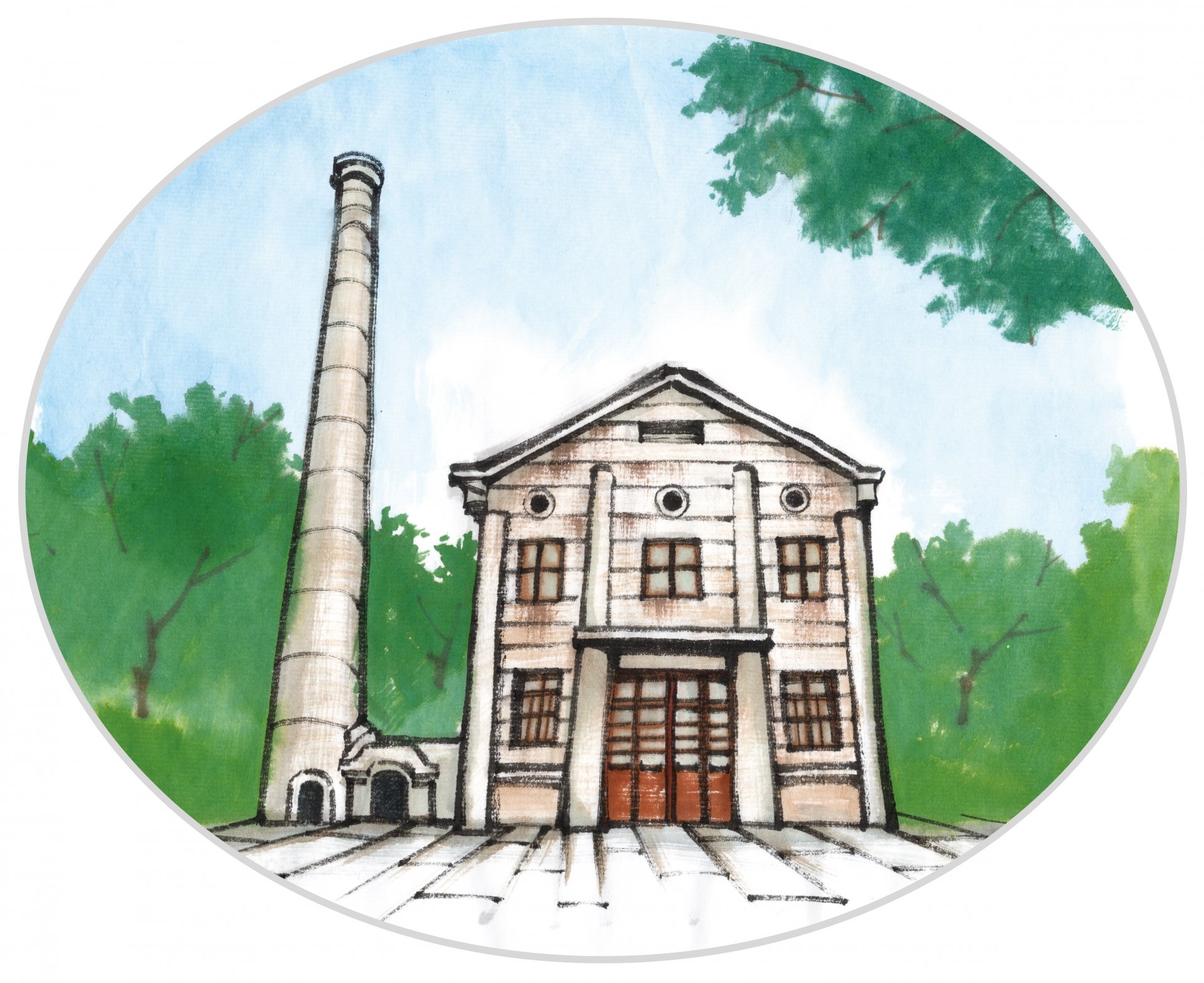
接下來,帶大家去看菸廠的心臟吧!這顆心臟就是-「鍋爐房」,它提供了整個菸廠的熱能,在這裡可是扮演著很重要的角色。
鍋爐房裡面有一大一小兩個長方形的空間,擺了三個巨大的鍋爐。鍋爐產生的蒸汽,會透過管線傳到工廠裡,就能用來蒸菸葉,這是為了防止蟲卵,也是為了讓原本乾燥的菸葉變軟,蒸完後才能繼續整理葉子、切葉子的過程。而且這個鍋爐房還跟工廠裡的澡堂有關唷!熱水會先在鍋爐房加熱,再送到澡堂,讓大家都能洗到舒服的熱水澡。除了澡堂,鍋爐房的蒸氣也會引到廚房使用,功用很多。
再來大家可以抬頭看看這根煙囪,以前鍋爐房的這根煙囪,是這附近重要的地標喔!而且大家有發現嗎?我們還可以同時看到煙囪跟台北101,是不是很有趣呢?
生態池
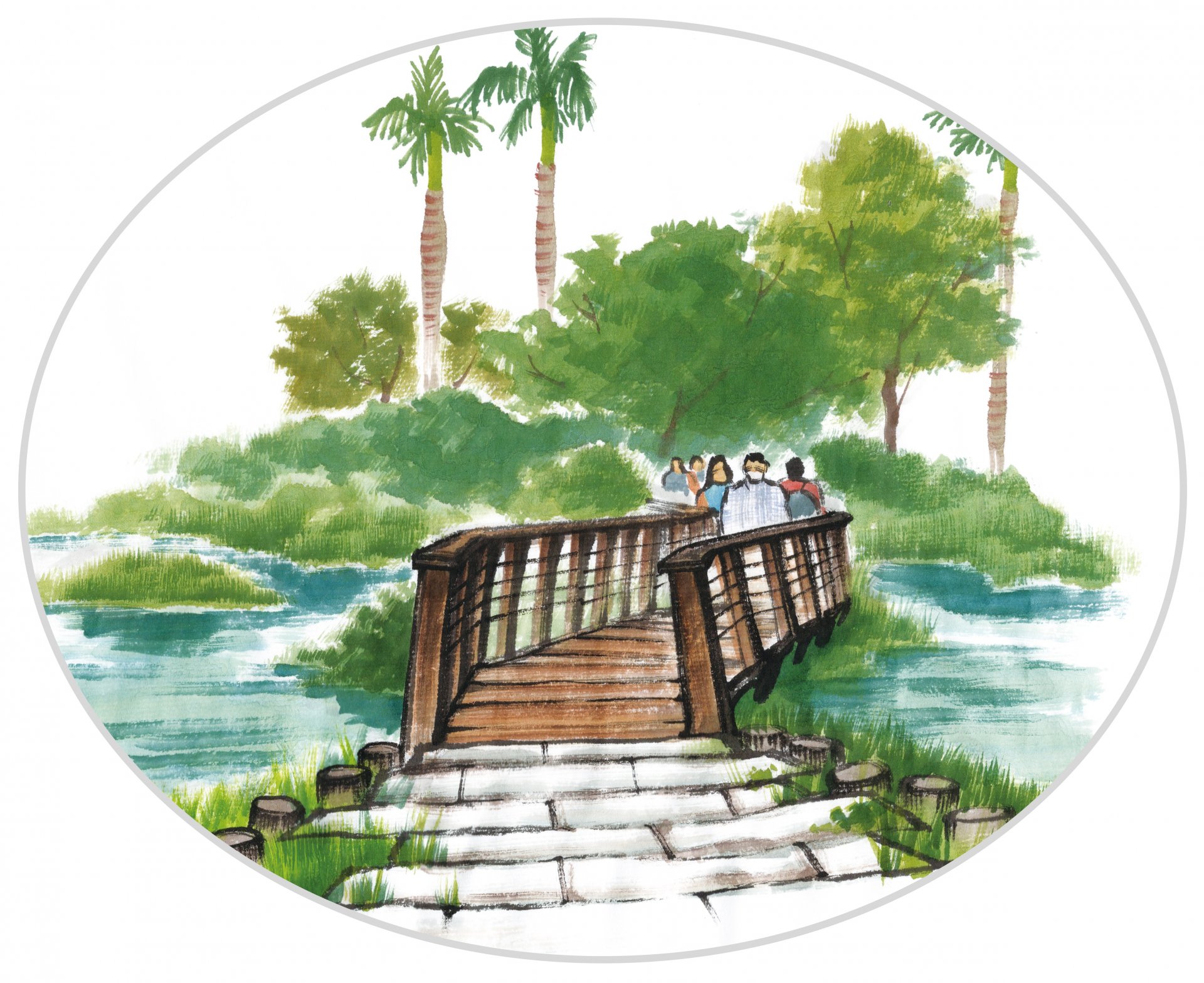
The east side of the factory has a charming eco-pond, lots of people like to take a walk or exercise here. There used to have three lotus ponds but now there only one left in the Park.
The purpose of building a pond then was for fire safety. Since the storages in the factory such as cigarettes and raw materials are all flammable, in the event of a fire, there would be water for putting out fires. During the period of the Monopoly Bureau, lotus was planted in the pond, and many fish were raised. Employees were also allowed to fish in the pond. Later, a pavilion was built at the center of the pond, creating a special scenic spot. Many employees would take photos in front of the pavilion.
Next, let’s walk around the eco-pond, there are birds such as egrets, red-crowned swamp chickens, night herons and so on. We also can see lots of endemic species in Taiwan, for instance: the water willow on the north side. The ecology here is very rich and diverse.
薰廠的東爿有一个真媠的生態池,真濟人會來遮散步佮運動。原底遮有三个蓮花池,這馬干焦賰一个爾爾。
當初時起水池的主要原因是為著欲消防,因為工廠內底的薰佮原料攏真容易著火,萬不二去拄著火燒厝,就會使提來拍火。後來水池子中央起一个涼亭仔,真濟員工會佇涼亭仔頭前翕相做紀念。
生態池的四箍圍有真濟鳥仔,譬論講:白翎鷥﹑夜鷺等等,嘛有過冬鳥會來做客,有足豐富的生態喔!
松菸的生態環境超級豐富,菸廠的東側還有一座很漂亮的生態觀景池,很多人都會來池邊散步、運動,原先這裡有三座蓮花池,為以前的瑠公圳,不過現在只剩下目前這一座了。
但建造水池不只是為了好看而已,其實是為了消防安全,因為工廠內的香菸、原料都是易燃物,萬一遇到火災才有水可以拿去滅火。在公賣局時期,曾經在水池裡種蓮花,還養了很多魚,也開放員工釣魚,後來池中搭建了涼亭,就有很多員工會在涼亭前拍下紀念照。
生態景觀池周邊,有白鷺鷥、紅冠水雞、夜鷺等鳥類,秋冬的時候會有候鳥經過,還可以看到很多臺灣特有的植物,像是在北側的水柳,與風箱樹、大安水蓑衣和穗花棋盤腳,風箱樹是嚴重瀕臨滅絕的珍貴植物之一,早期被用來當作護堤植物,但因為科技越來越發達,現在護堤都已經水泥化了,野生的風箱樹因此被砍掉很多,數量越來越少。另一個臺灣特有種-「大安水蓑衣」,因為其開花後不容易授粉、結果實,再加上原本的棲息地遭到破壞,導致它非常容易滅絕,因此被列入保育類,不過園區現在非常積極地在維持它的繁衍。
松菸口
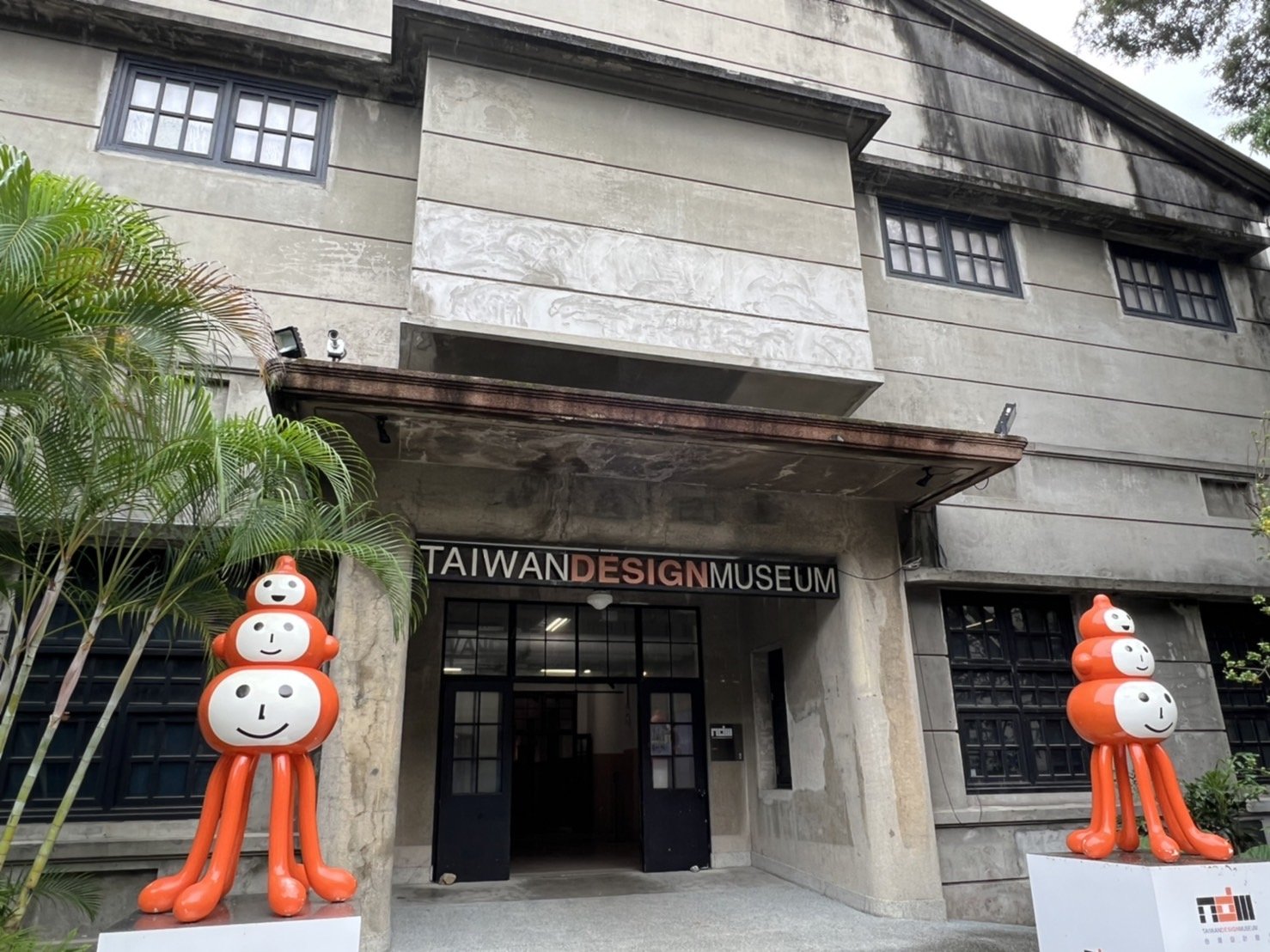
Next, I’d like to take you to a secret spot, “Song Yan Court”, the small open space between the buildings and the factory. Why is it called “Song Yan Court”? It is because the open space is square, just like the character “口”. There is the Taiwan Design Museum, the Design Spot, and the exhibitions near Song Yan Court. By the way, you can find many award-winning products in the Design Spot on the first floor of the office building.
Have you noticed the cute orange statue? That is “Master D” designed by AKIBO Lee Ming-Dao for the Taiwan Design Museum. It has three heads and six hands, which means that every designer is a design master!
這馬欲